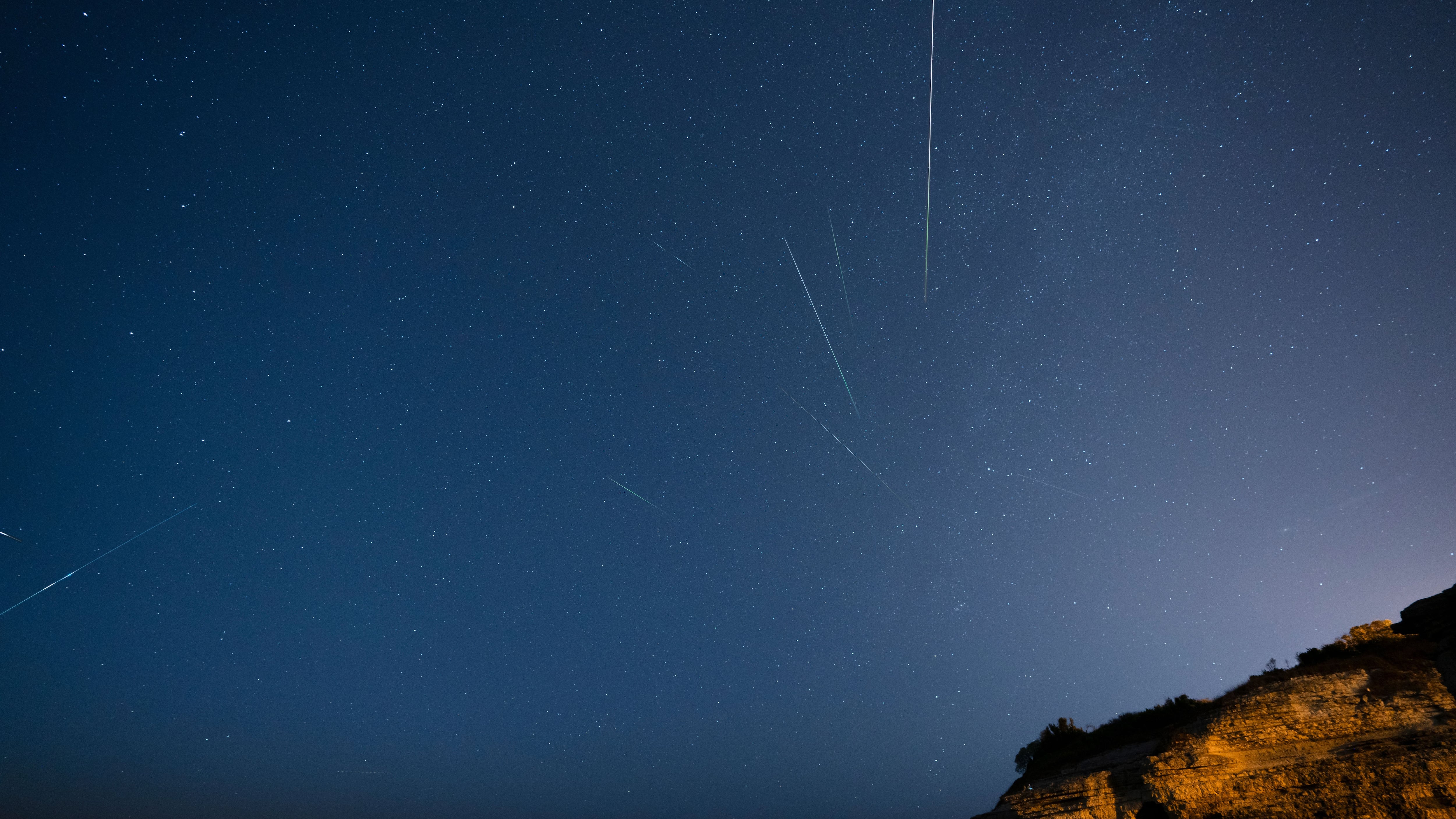
A notoriously unpredictable meteor shower is set to “peak” this week, one that for most years this shower has only produced a few meteors every hour, but is occasionally known to erupt into an outburst.
The June Bootids are known to have surprised astronomers by being one of the most difficult to predict celestial events.
In 1998, this meteor shower delivered up to 100 meteors per hour over a period of seven hours, according to the Royal Museums Greenwich. In 2002, the number of meteors reduced to somewhere between 20 and 50 per hour. Later, in 2010 there were fewer than 10 meteors per hour observed.
“There are no predictions of an outburst this year. But there never are, until it happens,” the Royal Museums Greenwich astronomers said.
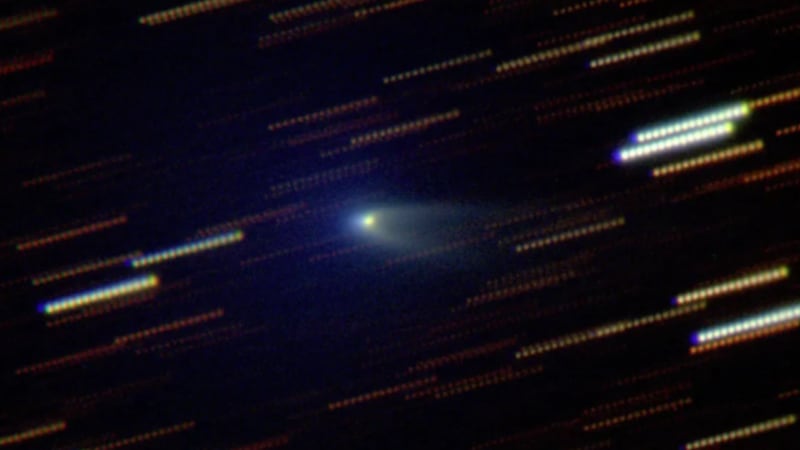
This shower comes from debris left behind by comet 7P/Pons-Winnecke, which orbits the sun roughly every six years. The meteor shower “peaks” between June 22 and 27 at around midnight over the Northern Hemisphere.
As the fragments of this comets trail enter Earth’s atmosphere, they burn up, creating large streaks of light that have been dubbed as “meteors” or “shooting stars.”
“Observers in the Northern Hemisphere have a distinct advantage over those located south of the equator, as the radiant lies much higher in the evening sky,” the American Meteor Society said. “No matter your location, little activity is expected from this source.”
But the bigger question is: Will Canadians be able to experience this infamous meteor shower?
An expert in astronomy and space exploration says: “Yes.”
Paul Delaney, an astronomy professor at York University, told CTVNews.ca on Monday that although people living in all parts of Canada will be able to see this meteor shower, it is a “weak one.”
According to Delaney, there will be more meteors visible every day this week, late in the evenings.
“So, it’s not as if it’s zero coverage,” he said.
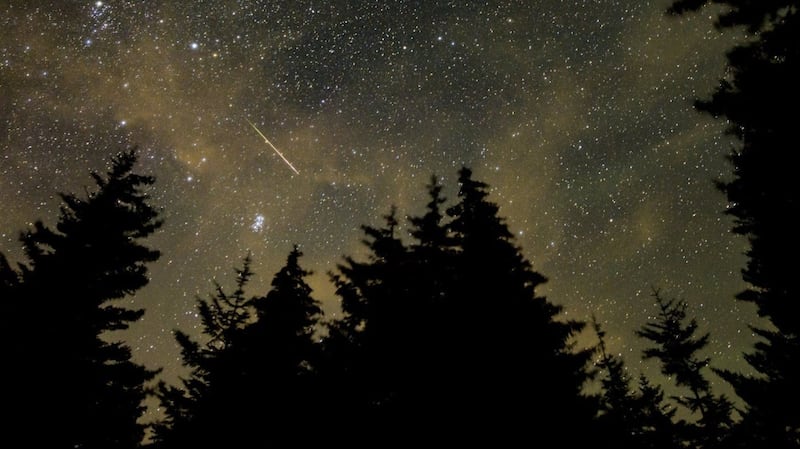
More meteor showers will be visible across Canada in the evening and late nights this week. But the June Bootids are moving slower and are less bright, due to lower friction with the atmosphere, he explained.
Delaney also added that the moon’s brightness will play a part in obscuring the meteor showers this week.
“All things considered, it will be a challenge to see them, but any reason to be outside is a good reason at this time of the year, right?” he said. “It literally is straight overhead at around about 11 o’clock at night.”
However, the astronomy professor advises against looking for the meteors earlier in the evenings.
Technically, June 27 is when this meteor shower will peak. But according to Delaney, the likeliness of observing it will increase from June 26 through June 28, before the number of meteors start to dwindle.
Skywatchers expecting to see this meteor shower are advised to find a dark location away from city lights, late in the night.
“You’ve got to be patient – razzle dazzle, laser light shows every minute, it’s not going to happen that way," he said. “But yeah, if you are patient, if you are fully dark adapted, if you’re comfortable, you can really see a number of them.”

