Health Canada has approved Zepbound (tirzepatide) as the first medication in Canada indicated for the treatment of moderate-to-severe obstructive sleep apnea (OSA) in adults living with obesity.
The approval marks a new development in the treatment of a condition that affects breathing during sleep and can contribute to a range of health complications, including cardiovascular disease, Type 2 diabetes and daytime fatigue. OSA occurs when the upper airway becomes blocked during sleep, causing repeated interruptions in breathing throughout the night.
The medication is approved for use alongside a reduced-calorie diet and increased physical activity in adults with a body mass index of 30 or higher.
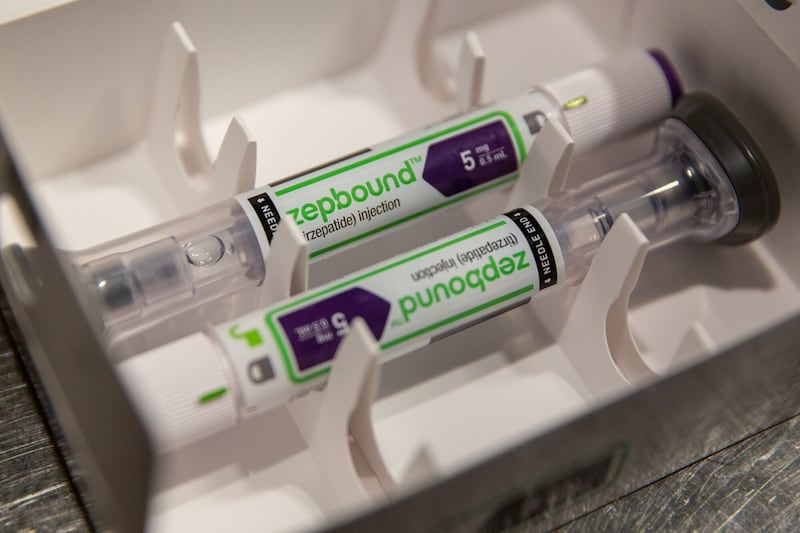
For patients living with both obesity and sleep apnea, the relationship between the two conditions can be difficult to break, according to Dr. Paulette Pillersdorf, a dentist and snoring and sleep apnea therapist.
“There are many patients who are overweight and have sleep apnea, and it works in two directions,” Pillersdorf said in an interview with CTVNews.ca. “If you are overweight and you do have sleep apnea, it can affect hormones like ghrelin and leptin that make it harder to lose weight. Once you can lose weight, and that can be one of the effects of going on tirzepatide, then it becomes much easier to continue losing weight as those hormones stabilize.”
Sleep specialists have long noted the connection between obesity and obstructive sleep apnea. Excess weight can contribute to airway obstruction, while poor sleep may make weight management more difficult, creating a cycle that can be challenging for patients to break.
The approval was based on results from Phase 3 clinical trials that evaluated tirzepatide in adults with obesity and moderate-to-severe OSA. Researchers found participants taking the medication experienced fewer breathing interruptions during sleep, compared with those receiving a placebo. Some participants also saw their symptoms improve to the point where they were considered mild or no longer clinically significant after one year of treatment.
Pillersdorf said the trial results reinforce what clinicians have observed about the relationship between weight loss and sleep apnea severity.
“As far as the clinical trials, it was shown that tirzepatide lowered apnea events by 63 per cent,” she said. “As a general guideline, if you lose 10 to 15 per cent of your body weight, it could decrease your apnea scores by as much as 50 per cent.”
She noted that the impact can vary depending on the severity of a patient’s condition.
“If you have severe apnea, it could lower you to a more moderate category, or if you are mild or moderate, it could actually put you in a milder or even a normal range for sleep apnea,” she said.
Continuous positive airway pressure, commonly known as CPAP therapy, remains a standard treatment for obstructive sleep apnea. However, adherence can be difficult for some patients, prompting interest in additional treatment approaches that address underlying risk factors such as obesity.
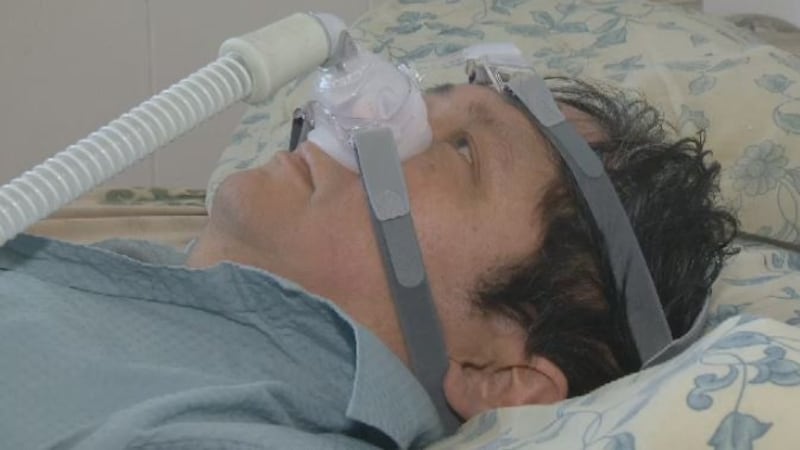
Pillersdorf said tirzepatide should be viewed as another option within a broader treatment framework rather than a replacement for existing therapies.
“Every patient is different, and we try to treat each patient on an individual basis depending on what they need,” she said. “It’s also possible to wear oral appliances with CPAP. Anything that helps get the patient compliant and provides the best treatment for that patient is important.”
She added that many patients struggle to tolerate CPAP therapy, creating a need for additional treatment options.
“It is known that about 50 per cent of people cannot wear CPAP effectively,” Pillersdorf said. “That’s why an alternative is needed for patients who don’t want to be treated by CPAP or who have tried and failed. There has to be an alternative because there is a large group of patients who can’t tolerate CPAP.”
While access, cost and insurance coverage questions remain, the decision adds a new tool to the treatment landscape for Canadians living with obesity and obstructive sleep apnea. The long-term impact on patient outcomes and uptake will likely become clearer as the medication enters broader clinical use.

