
On July 1, 3.4 million Alberta will have access to a $100 energy rebate from the provincial government, and one Calgary charity is among those that are welcoming the money.
Calgary Food Bank CEO Melissa From said last week that her organization is “grateful” for the payment announced by Premier Danielle Smith.
“The Calgary Food Bank welcomes the new Alberta Energy Rebate as a positive step toward easing the financial pressures many Calgarians continue to face,” From said.
“Inflationary pressures, including fuel costs that have remained high due to oil price volatility, are among the most significant contributors to food insecurity for many of our clients.”
- Sign up for breaking news alerts from CTV News, right at your fingertips
- The information you need to know, sent directly to you: Download the CTV News App
On June 17, Smith announced the $100 rebate, saying it would provide a bigger benefit for Albertans than dropping the province’s fuel tax.
All residents aged 18 and over who have filed tax return in 2025 and have a household income of less than $225,000 are eligible for the benefit.
“Our government recognizes that families are feeling the pinch, which is why we’re taking action to put more money back in their pockets,” Smith told reporters during the announcement.
“This approach will ensure elevated oil revenues deliver real benefits to Albertans, benefits that don’t disappear at the pumps.”
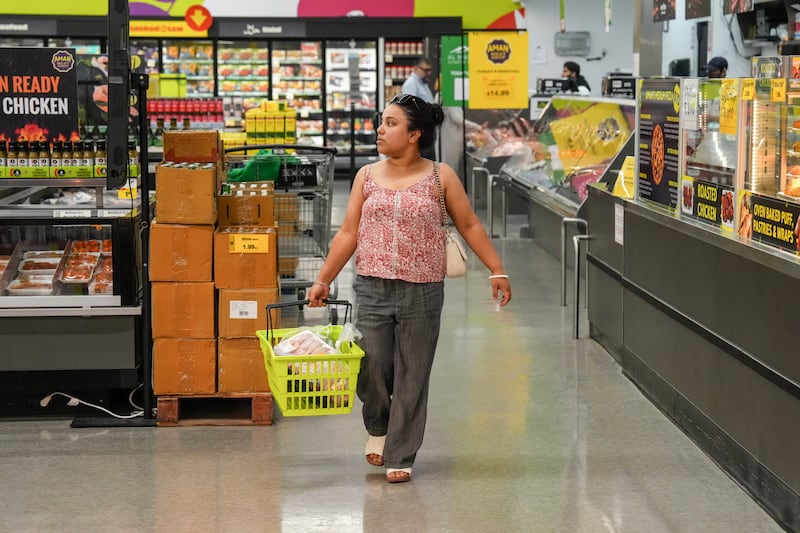
In her statement, From went on to say that the food bank serves more than 900 households and believes many of those will benefit from the rebate if it’s used for groceries.
“Food insecurity is fundamentally an affordability issue that transcends politics. We are grateful to see elected officials at every level of government across the political spectrum acknowledge these challenges and propose solutions that will provide some relief for Calgarians.”
How far does $100 go at the grocery store?
Dr. Sylvain Charlebois, director of the agri-food analytics lab at Dalhousie University, examines the effects of inflation across the supply chain and different policies on the entire food spectrum from farm to plate.
“The average person in Canada will likely spend a little over $4,000 retail to feed him or herself this year,” he said.
“$100 is not a whole lot, but I suspect that the food bank’s position is that anything helps at this point. I would agree with that right now – it’s really tough.”
Charlebois says the erosion of the middle class has created a difficult situation for many Canadians when it comes to food prices.
“The bottom half is affected by food inflation, but they are exposed to the same market conditions as the upper half,” he said.
“That’s why beef prices are going up. People are still buying beef, but the problem is beef prices are going up for everyone, not just the top half.”
What region pays the most for food?
By region, the worst market for food prices in the country is Atlantic Canada, Charlebois said.
“When you look at the numbers, consistently the Atlantic region has always had a higher food inflation rate,” he said.
“Alberta has actually been OK. It’s been and up-and-down situation in Alberta.
“Last year was tough but this year, Alberta right now is below average, which is helping.”

The priciest items at the grocery store right now are produce and meat, according to Charlebois.
“Knowing Premier Smith, she would be concerned about chicken prices in particular. Chicken prices have been a problem in Alberta and chicken is supply managed.”
Supply management means that the production of chicken is controlled by quotas, like dairy.
“We’re not supposed be seeing increases of 15 (or) 20 per cent with chicken. We’re supposed be seeing modest increases.”
Charlebois says beef is a free-market commodity, just like pork, but not chicken.
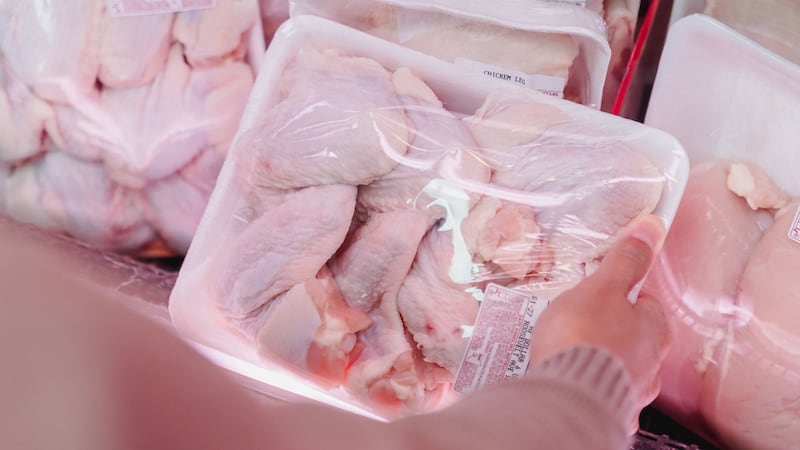
The retail price of chicken should be stabilized by supply management, but he says that’s not happening right now.
“If I were the premier of Alberta, I would look into the price of chicken in particular because that’s one part of the meat trifecta that people should be able to rely on to get cheap animal protein but that’s not the case right now.”
No sales tax – the Alberta advantage
Aside from its strong economy, Alberta has another advantage over other provinces: it has no provincial sales tax.
“I think Alberta’s got it right,” Charlebois said. “Taxing food is the wrong thing to do.
“For whatever reason, some governments thought it was a good idea to tax food.”
Manitoba recent eliminated its sale tax on food, Charlebois says, and Quebec is also eliminating sales tax on several products.
“Alberta doesn’t need to deal with that problem because it’s not dealing with any tax at all.”
But that doesn’t mean the Smith government doesn’t have other levers to pull to control the grocery industry, he says.
“She can look into property controls,” Charlebois said.
Property controls are agreements used by grocery stores in their lease to limit competition near their existing locations. With those in place, consumers living in certain areas are usually limited to buying from one close by store. Otherwise, they would have to travel across town before they could access another.
“That is certainly up to a province to decide to look into these issues,” Charlebois said.
“If the main tenant is the grocer of a strip mall, often in that lease, the landlord is forced not to rent to another food retailer in that strip mall.”
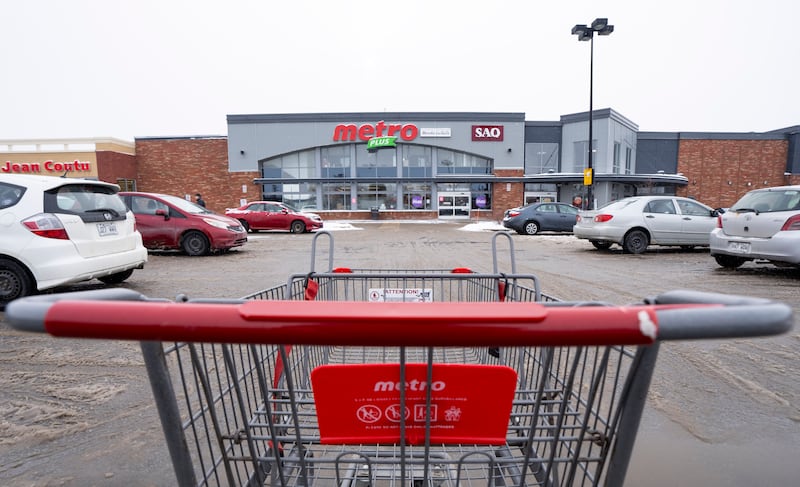
He says property controls can even result in companies purchasing land next to their stores to prevent competitors from getting in.
“These practices need to end. Sometimes there’s actually evidence of these controls and sometimes it’s based on a gentleman’s agreement.
“With the leadership of the province, Premier Smith can actually go a long way with that.”
CTV News has reached out to the Alberta government for comment on current discussions with grocery companies to reduce prices for residents.
Will the rebate help?
Charlebois says the government payout will help Albertans, but it all depends a lot on “what problem you’re trying to fix.”
“If it’s just to give money away and get public political support, yeah, I suspect that can help. But at the end of the day, you’re trying to deal with the cost of living and the biggest tax of all is inflation.”
Charlebois said the rebate could lead to a worse problem.
“Companies will know that there is cash out there and they will just inflate prices or prices will actually increase.
“It’s not the best measure to deal with energy costs and food costs.”
Charlebois says to have a real effect on food inflation, Canada needs to have a better system in place to make it easier for companies to reduce prices.
“The food inflation problem we have in Canada is mainly structural. You have to look at policy like the industrial carbon tax, like inter-provincial trade barriers, labelling laws – the bureaucracy.”
He says those issues force companies to perform work that’s not related to them making money.
“That’s a big problem right now in Canada. We tend not to see it, but now we are seeing it.
“We don’t have an efficient food system in Canada and that needs to change.”

