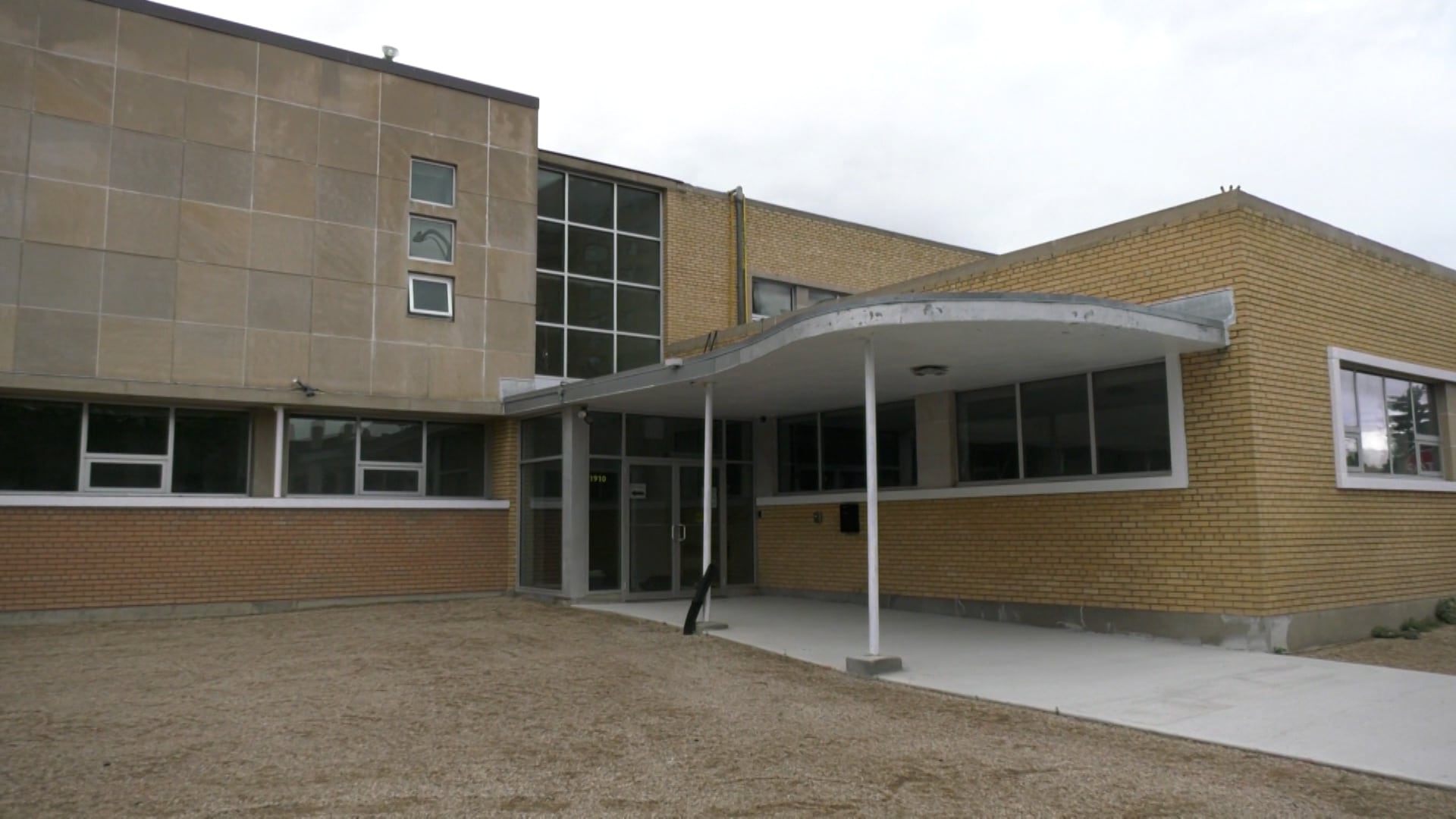
REGINA – The Regina Police Service says more officers will be patrolling around Muslim gathering places as they investigate threats made towards the city’s Islamic community.
The threats are related to a recent Muslim practice that took place in downtown Regina earlier this month, according to the Regina Police Service (RPS).
“Anything that we come across that looks like it could breach the threshold of a criminal charge will be sent for investigation,” said Regina police chief Lorilee Davies. “All of that work will continue to determine if there are hate crimes involved.”
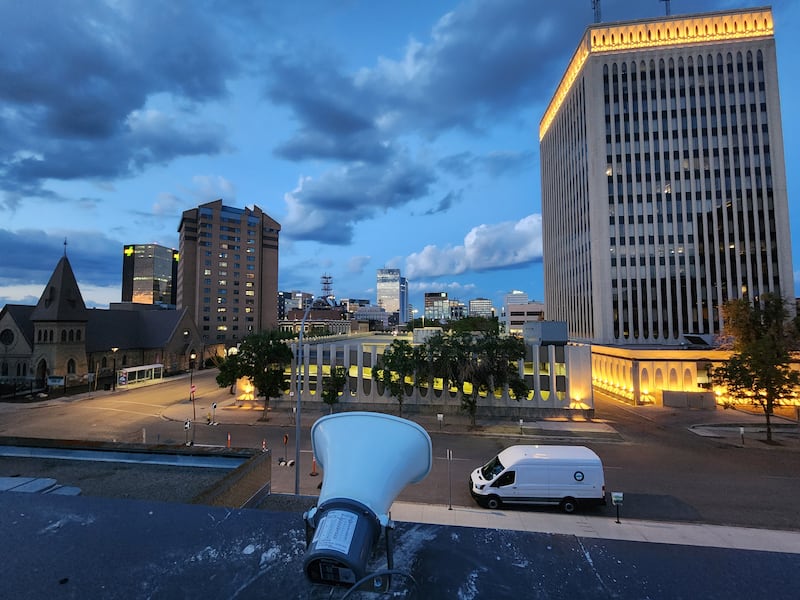
The Regina City Jamia Masjid mosque publicly broadcast its first live Islamic call to prayer over a rooftop speaker on June 19 – an event mosque officials say they plan to continue.
The Islamic call to prayer, known as Adahn, lasts two to three minutes and happens once every Friday before the weekly Jumu’ah congregational prayer.
“It is the same as Christian churches that have their bells ringing,” said M Anisur Rahaman, director of the Al-Baaqi Foundation that runs the mosque.
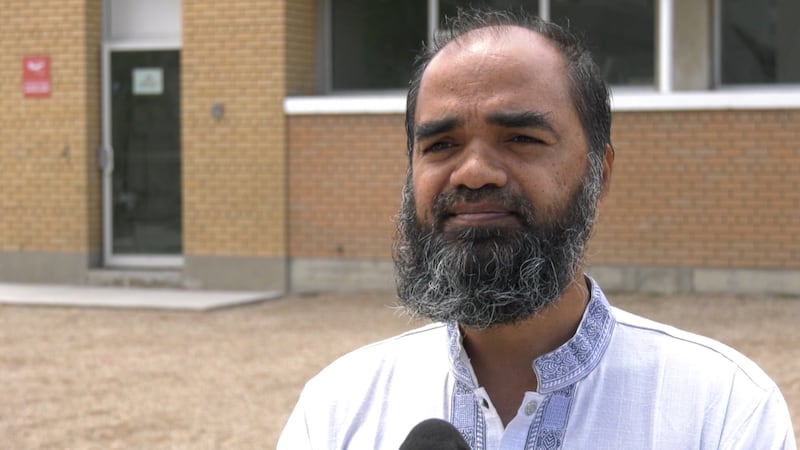
The group has received threats through email, social media and phone calls since the first broadcast, according to Rahaman.
“There is a concern for safety,” he told CTV News.
Rahaman says Muslim children already face Islamophobia in the city, and some members of the mosque are worried these threats will make things worse.
Rahaman believes most of the negative comments and threats are fuelled by a “misunderstanding” of the call to prayer.
The call to prayer dates back 1,400 years and is used to encourage people to practice their faith.
“We are not here to hurt, disturb or annoy anybody,” Rahaman said. “When you hear the call to prayer, you stop your work and then you come to pray.”
Organizers said they hoped the broadcast would encourage a greater understanding, while giving residents an opportunity to learn more about Islamic traditions.
Rahaman still hopes it can spark dialogue among diverse groups and invites anyone who has a problem with the broadcast to have a conversation with him.
“I believe we should all be working together,” he said.
Brad Galloway, co-ordinator with Ontario Tech’s Centre on Hate, Bias and Extremism, was not surprised to hear that the call to prayer received backlash from some residents.
“That’s the polarizing time that we are living in right now,” Galloway said. “We want to continue to work against Islamophobia and antisemitism, and all the other types of hate that are going on in our communities.”
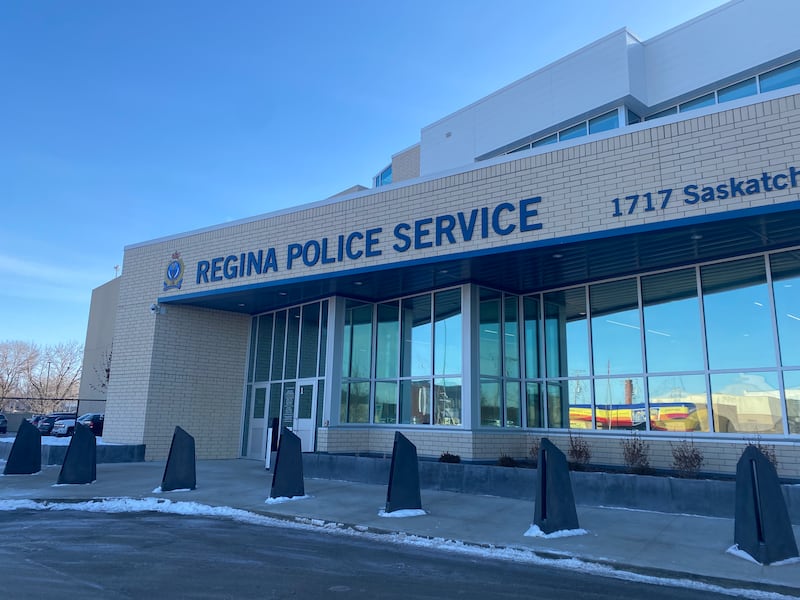
Regina police said the threats will be taken seriously and investigated under the recently enhanced Canadian hate crimes legislation.
“I would encourage everyone in our community to ensure that they are communicating in a way that is (within the bounds) of the law and that couldn’t be considered a hate crime,” Davies said.
The federal government’s Combatting Hate Act received royal assent last week. The legislation is designed to better protect places of worship and more clearly denounce hate-motivated crime.
The laws, which come into force July 18, make it a crime to intimidate and obstruct people from accessing places of worship, schools and community centres.
It also makes it illegal to wilfully promote hatred against an identifiable group by displaying certain terrorism or hate symbols in public.
Galloway welcomes the changes.
“It’s a good piece of legislation,” he said. “It is not just for one faith or religion. It is supposed to protect and contribute to the safety of all religions.”
Legislation is only one piece of combating hate, according to Galloway.
Education, awareness and understanding also go a long way in supporting communities targeted by hate, he said.
“It really is just about working with the people and the individuals in these communities to understand what they’re going through,” he told CTV News. “Then we can try to help them from the ground up.”
Regina City Jamia Masjid received a permit from RPS to broadcast the call to prayer. The permit is in place until July 10 but can be extended.
Rahaman said the mosque has also received positive feedback from community members who enjoy the sound of the call to prayer.
“In the heart of the downtown, I don’t think there is any issue,” Rahaman said. “If there is any issue, then the police services can stop this. We are here to follow the rules.”
Rahaman said if the loudspeaker is an issue, the mosque is willing to lower the volume.
RPS considers criteria such as length and volume of sound, area and time of day when assessing amplification permits. The force issues more than 100 of these permits to various community groups each year.

