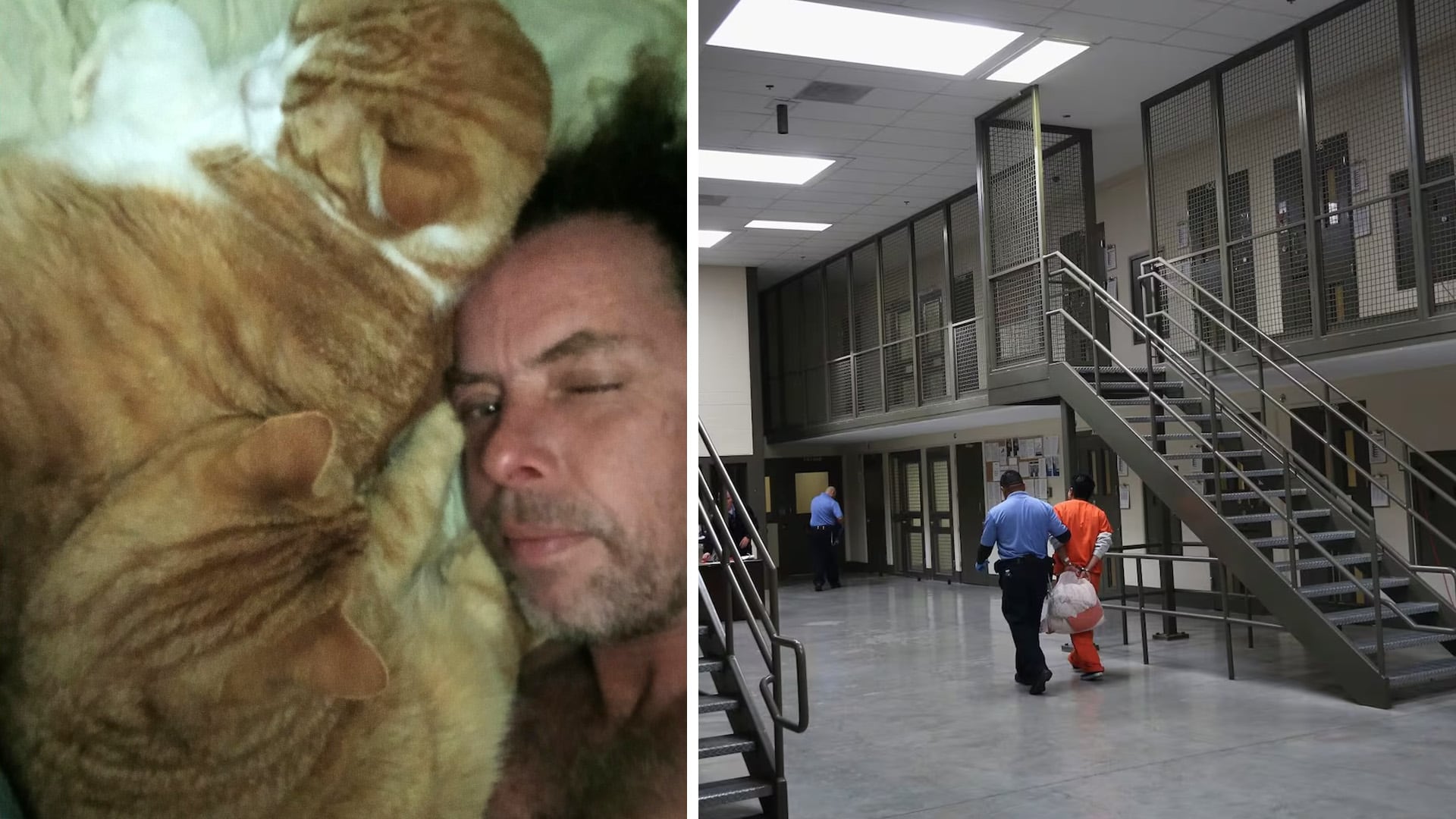
A man who grew up in Winnipeg is free after spending more than eight months in U.S. Immigration and Customs Enforcement (ICE) custody, following a federal judge’s ruling that his detention violated his constitutional rights.
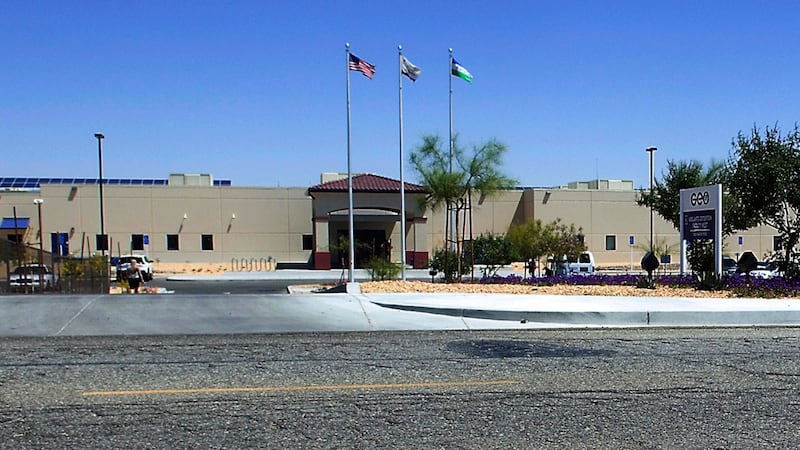
Clayton Herman walked out of the Adelanto ICE Processing Centre in California on June 15 — a moment he says he had “always fantasized” about since he was first detained last fall.
“In my first week here of freedom, I’ve just been binging on every healthy food and beverage I could get my hands on,” Herman told CTV News on Monday, speaking from his hometown of Ojai, Calif. “Smoothies, salads, you name it — every variety of plant matter, just to start replenishing nutrients the body lost. Feels like I’m getting better every day, but the place was really wearing on the health.”
His release came after U.S. Magistrate Judge Michael Kaufman found that the government had detained him without giving him any chance to contest the reasons behind it — a violation, the judge ruled, of his right to due process.
Herman, 54, said he grew up in Winnipeg’s Transcona neighbourhood and lived in the city for decades before crossing into the U.S. on a visitor’s visa in 2002. That visa eventually lapsed, but Herman stayed.
“I was just working cash jobs, and all my IDs from Canada had expired,” said Herman, whose stints in the U.S. included community stage acting, table jobs and roadie work for a band in Southern California. “I had a life here.”
Following the death of his longtime partner, Herman said he went on an almost two-year hiatus to grieve in Montana, where he was arrested by Customs and Border Protection agents.
“I was released on my own recognizance… with orders to report every six months to ICE check-in offices and to any immigration court dates,” Herman said. He eventually made his way back to Ojai. “But in all that time, I had fully complied with all orders.”
The court order notes that Herman’s compliance was strong enough that ICE eventually reduced his reporting requirement to a yearly check-in.
A glitchy device and 18 disputed violations
During one of those routine check-ins in May 2025, ICE officers required Herman to begin wearing a VeriWatch, which he described as a wristwatch version of an ankle bracelet.
“Over the five months that I wore it, unbeknownst to me, the device had severely glitched out in its communications with the cell towers,” Herman said, adding that it did not rely on satellite communication and that cell reception in the area was poor.
At another check-in in October 2025, ICE officers accused Herman of violating his VeriWatch supervision conditions, arrested him and took him to the facility in Adelanto.
“They tell me I had 18 violations on this VeriWatch system… No warning before the day of this,” Herman said. “They had flashed me a transcript paper, and I only got a few seconds to glance at it. It looked pretty detailed, with timestamps and codes and such, and then I never got to see it again.”
In his decision, Kaufman found the previous immigration judge had “abused its discretion” in deeming Herman a flight risk based on allegations that he had violated his supervision conditions.
Herman said he was aware there were issues with the device at the time — he had received calls from contractors troubleshooting problems — but said he “never thought much of it.”
Kaufman wrote that the only evidence submitted was a U.S. Department of Homeland Security form that said Herman had accrued 18 violations, “but it does not list the type or date of the violations, or provide any other information about how petitioner allegedly violated his conditions.”
The order notes that while detained, Herman repeatedly tried to obtain information about the violations he was accused of but was unsuccessful. After several immigration court hearings, he filed a petition for a writ of habeas corpus on his own behalf in April 2026 — a legal tool that lets detainees challenge the basis of their detention in court.
The court appointed him a lawyer, and the case proceeded to trial court. The government eventually provided more information on the alleged violations in its response to the habeas petition.
“It thus appears that ICE had this information readily available and simply declined to produce it for petitioner’s bond hearing, forcing petitioner to speculate about what violations he might have committed and depriving him of a meaningful opportunity to contest the allegations against him,” the order read.
‘Torturous at times’
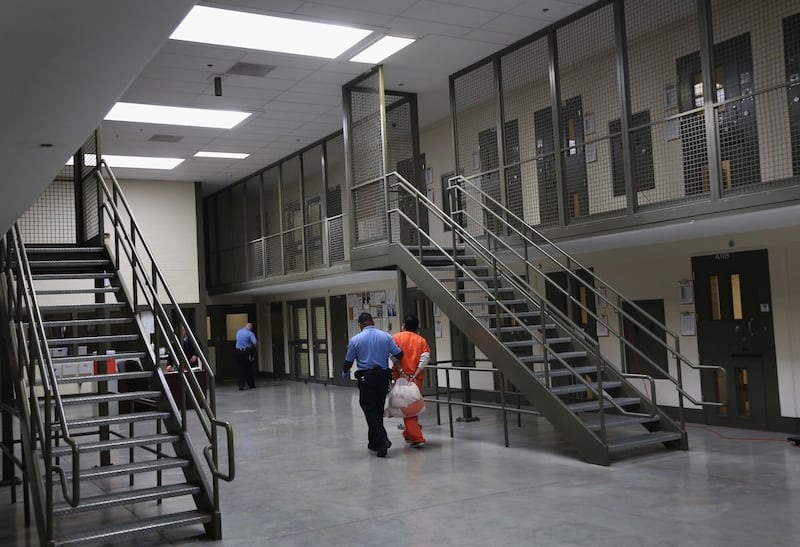
While detained at the facility, located about 95 kilometres northeast of Los Angeles, Herman described the conditions as “abysmal.”
“The plumbing was constantly malfunctioning, sewers belching foul miasmas of wretched gases. I even saw a guy gag and puke on it,” he said.
Herman said the facility’s food was “beyond blandly disgusting,” adding that “the worst, lamest thing you could get on any restaurant’s menu would’ve been a hundred times better than what they served in there.”
He said he witnessed people breaking down in tears while detained at the site.
“Dwelling on the people you love, who were taken away from you, can be torturous at times,” he said.
“I was lucky that my landlord didn’t throw my cats or my belongings out onto the street during those eight months — everything was still there waiting for me when I got out. Now I owe him eight months’ rent, but it doesn’t matter … A lot of people in there lost their homes, their businesses, even their marriages.”
Herman described his two cats, Poquito and Butters, as an emotional connection to his late common-law wife, who died in 2021.
“We picked (the cats) out together, and they’ve been through everything I’ve been through after she passed away. Any pet owner knows they’re kind of like your kids, if you don’t have kids,” he said.

Herman said his case is far from isolated, adding that many similar cases are still playing out for others he was detained with. While detained, he used what he learned representing himself in immigration court to help fellow detainees challenge their own detention orders.
“We did successfully get quite a few people out without lawyers, through the habeas corpus process,” he said.
Herman now wears a GPS ankle monitor in place of the VeriWatch. Kaufman’s order specifically barred the Department of Homeland Security from using the device on him going forward, though the judge left the remaining conditions of release to the department’s discretion.
Though his detention hearings are over, his immigration case remains before the courts, which will ultimately decide whether he’s allowed to stay in the U.S. He also must check in with ICE regularly, with his next appointment scheduled for the end of the month.
‘All illegal aliens receive full due process’
In a statement, a U.S. Department of Homeland Security spokesperson maintained Herman racked up 18 violations after being enrolled in the Alternatives to Detention program and fitted with the VeriWatch.
“Despite these violations and Herman’s blatant violations of our immigration laws, a judge ordered his release pending the outcome of his removal proceedings,” the department said, adding, “All illegal aliens receive full due process.”
The statement went on to note that the U.S. is currently offering people living in the country illegally $2,600 USD and a free flight to self-deport, urging “every person here illegally to take advantage of this offer and reserve the chance to come back to the U.S. the right legal way to live the American dream.”
Those who don’t, the statement warned, “will be arrested and deported without a chance to return.”

