While many children look forward to having the time off during summer break, some lose access to food provided through at-school programs.
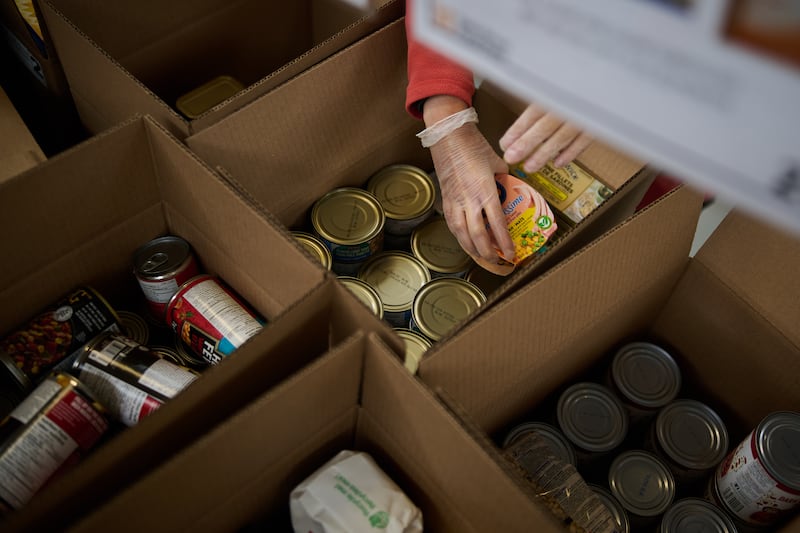
More than 700,000 visits were made to food banks by children in March 2025 – 340,000 more than the visits recorded in 2020 – accounting for one-third of all clients.
Erin Filey-Wronecki, chief development and partnerships officer at Food Banks Canada, said “that’s not acceptable in this country.”
She told CTV News channel on Thursday that local food banks are seeing an increased demand as schools shut down for the summer.
“What we see are kids that are just at-risk and parents that are under a lot of pressure to try to make sure that their kids can get three-square-meals a day,” Filey-Wronecki said.
“Parents are having to make really tough decisions, and so they’re looking at their bank accounts at the end of the month, going ‘am I going to be able to pay for rent, or am I going to have to go to the food bank to make sure that I’ve got food on the table for my kids’?”
According to Filey-Wronecki, Food Banks Canada has seen the pressure grow every year, adding it has “more than doubled” since the COVID-19 pandemic.
Canada’s annual inflation rate hiked up to 3.2 per cent in May – the fastest pace recorded in more than two years, with food being a major contributor, Statistics Canada (StatCan) said.
June is the 16th month in a row where food prices have risen faster than inflation in Canada. Food costs from the grocery store rose by half a percentage point to 4.3 per cent year-over-year.
Staples like produce were hit the hardest by this increase. Fruit rose 5.3 per cent and vegetables rose by nine per cent. Tomatoes saw a whopping 45 per cent increase, which StatCan blamed on the fallout from U.S. tariffs.
Meanwhile, despite the federal government’s initiatives like the Canada Groceries and Essentials Benefit, the impact will not be seen right away, Filey-Wronecki said. The strategy, however, shows that the government is “taking this seriously,” she added.
“But what we know is that neither of those things in isolation are going to be enough,” she said.
“Poverty, food insecurity is a complicated issue, and it will require things like investments in affordable housing, the modernization of our social safety nets, such as EI (Employment Insurance), to really get through and bring down those food insecurity numbers.”
Filey-Wronecki said the best way Canadians can help reduce the impact of food insecurity on children is to donate and find a way to use their voice.
“We ask everybody to take a moment, contact their government representative and let them know that they want to see the change that will bring that number down.”
With files from The Canadian Press and CTV News’ John Vennavally-Rao

