CHARLOTTETOWN – Prince Edward Island has the lowest overall gender pay gap in Canada, but a new report says that progress is not being felt equally.
Women on P.E.I. earn five per cent less than men based on average weekly wages, according to a report released this week by the Canadian Centre for Policy Alternatives (CCPA). But a closer look at annual income data shows the Island has the biggest gap in Atlantic Canada between racialized women and non-racialized men, at 42 per cent.
“That’s disturbing,” said Ujunwa Aja-Onu, executive director of the Black Cultural Society of P.E.I. “These are women we work with every day. These are names. These are faces that we know.”
Aja-Onu said multiple systemic barriers have intersected to create the divide, including discrimination that can affect whether racialized women get access to higher-paid jobs or move into leadership positions.
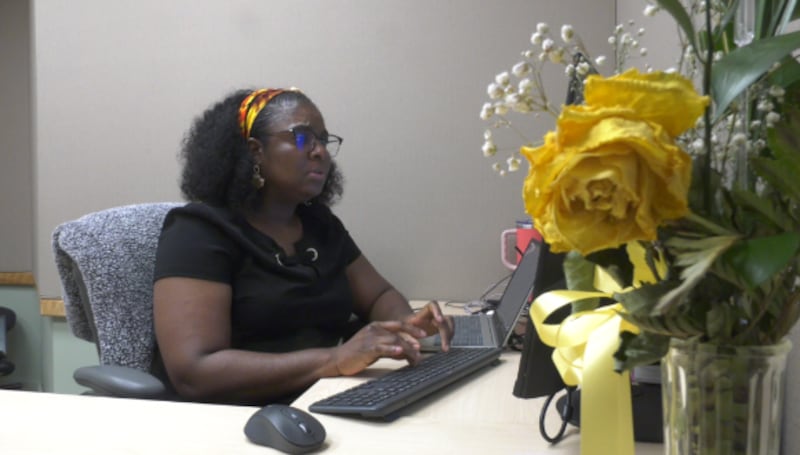
She said racialized women are also often working in sectors such as agriculture, care and hospitality, which are foundational to the province’s economy but have long been underpaid.
“That translates to thousands and thousands of dollars that these women will never see,” Aja-Onu said. “If this is not addressed year over year, racialized women are going to keep falling behind.”
Her biggest concern is the long-term effect: an income shortfall that can make it harder to cover rising costs, save for retirement or contribute to a pension.
Over time, Aja-Onu said, that can push more racialized women and their families toward a cycle of poverty and greater reliance on already-stretched social services.
A persistent pattern
While the size of the gender pay gap varies across the East Coast, women earn less than men in every province, said Christine Saulnier, co-author of the report and Nova Scotia director of the CCPA.
“That’s very concerning,” she said. “At the end of the day, this is about recruitment and retention of half the population that are working.”
In Atlantic Canada, the overall wage gap is highest for women in Newfoundland and Labrador, at 24 per cent. That’s followed by Nova Scotia at 15 per cent and New Brunswick at 14 per cent.
The report also flags large income gaps for Indigenous women and for women with non-permanent immigration status.
“When the government is looking at this gap, they need to make sure that those voices are at the table,” she said.
The cost of unpaid care
Asked whether the gap is driven by social pressures or systemic barriers, Saulnier said she wouldn’t separate the two.
Women are still more likely than men to work part time, with some pointing to family and household responsibilities. Closing gaps, she said, also means improving access to supports like child and elder care, transportation and parental leave.
“It does have to do with hours,” Saulnier said.
She added that some women may also take unpaid leave at moments that affect their earnings and career growth, including to care for children or aging relatives.
“You’re making a choice, perhaps, that you don’t want to make.”
Bridging the divide
The report found women face smaller pay gaps in unionized workplaces, which Saulnier called “very telling.”
“It’s about collective bargaining. It’s not on your shoulders to argue your worth to your employer,” she said.
Education also narrows the divide, though the report says a bachelor’s degree or higher does not close it entirely.
However, Aja-Onu said P.E.I. is on the “right track.”
She pointed to the province’s pay equity framework for public-sector workplaces, along with pay transparency rules which make advertised wages more visible and prevent employers from asking applicants what they were paid before.
Where the province falls short, she said, is that its pay equity law doesn’t apply to the private sector, where the report found the gender pay gap is 20 per cent, compared with two per cent in the public sector.
Another change she would like to see is the creation of clearer pathways for credential recognition for newcomers.
“They come here as doctors, nurses, accountants, but they’re not able to get jobs they’re qualified for,” Aja-Onu said. “We want this place to not just welcome people, but a place where people belong, and we all get paid fairly.”

