According to a new report from the Parole Board of Canada, infamous Saskatoon serial killer David Threinen is destined to die behind bars.
While that’s welcome news for Saskatoon residents with memories long enough to recall the so-called “summer of fear” of 1975, the public record of Threinen’s 50 years in federal prison offers a rare glimpse into a terminal case of corrections, and the limitations of a penal system that, based on the writings of Threinen himself, was not designed for aging.
Threinen’s crimes are shocking.
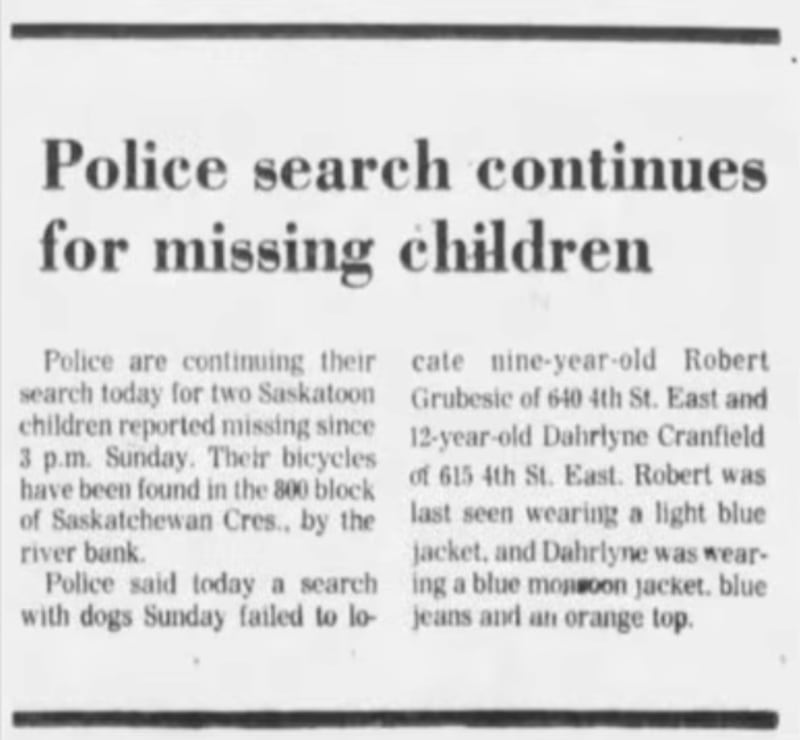
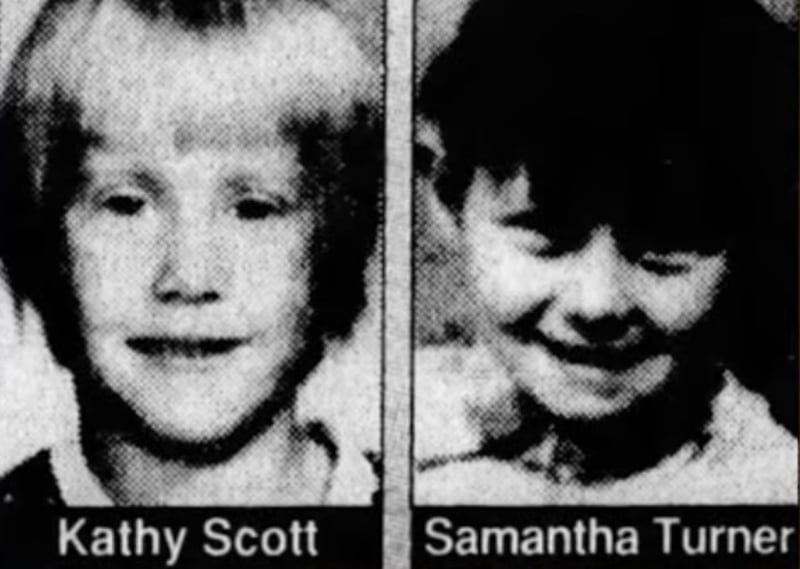
The man murdered four Saskatoon children in the summer of 1975. Luring them to his vehicle with the promise of ice cream, he then drove them to a secluded place and strangled them. One of the children was sexually assaulted.
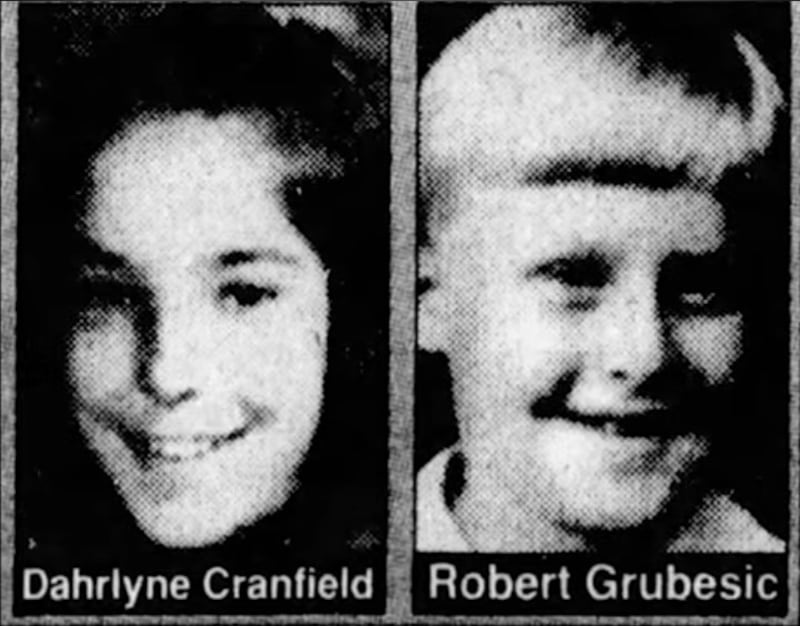
On Aug. 12, 1975, the then-27-year-old killer confessed to police and led them to the site where he buried the bodies in shallow graves.
The killings set off a mass panic that had parents gripped in anxiety, fearful of allowing their children out of the house. It later led to the creation of the Block Parent program.
A career prisoner
From the day of his sentencing, the odds of Threinen walking free again looked slim.
“I am definite and emphatic in the view that the safety of the public and in particular that of children demands that the prisoner, Threinen, forever be prevented from release of any kind,” the presiding judge said while handing the child killer his life sentence, with no chance of parole for 20 years.
Based on the two decades’ worth of reports from the Parole Board of Canada obtained by CTV News, if Threinen ever harboured hopes of walking free, he gave up on them long ago.
These days, according to a 2021 review from the Parole Board of Canada — the last one he participated in — what the elderly inmate wants is the opportunity to retire from his long career as a prison machinist and move to a more accessible, lower-security facility.
“You experience respiratory problems and believe that the weather in this region compromises your health,” the board wrote in its 2021 review.
“You believe there is a minimum-security facility in another region that is more senior-friendly from a physical perspective.”
By all accounts, Threinen has been a model prisoner who participated in all programming available, pursued an education behind bars, and learned a trade. He had a stable employment history before incarceration.
But according to a report from the Parole Board earlier this month, the man has never really expressed remorse for his crimes, and at 76 years old, Threinen sees “little point” in working toward some form of conditional release.
A 1992 psychological assessment painted a grimmer picture of the model prisoner.
“With review of Mr. Threinen’s history of early onset and repeated violent offences, prior assessments, and his acknowledged pattern of arousal he is, in my opinion, a fixated paedophile with predatory and homicidal characteristics. He presents distinct psychopathic personality traits and possesses relatively good intelligence that contributes to the risk of manipulation and deception,” the assessment cited in a 1995 parole review said.
“He is candid in his acknowledgement of continuing deviant fantasy, (targeting children), and can express appropriate strategies with which to counter these fantasies; however, his capacity to manage his behaviour is also facilitated by his current context of limited exposure and access.”
Over the years, the board noted his risk factors decreased somewhat, but he has never been considered for release, and has never made a formal bid for it.
The 2026 parole review noted he was believed to remain at a high risk of committing another sexual offence and they determined his reintegration potential remained low.
They still believe Threinen demonstrates characteristics of antisocial personality disorder — psychopathy.
In his 2000 parole review, the board wrote that Threinen’s participation in programming was “suspect,” because the killer admitted it was a way for him to maintain his “status in the institution.”
At the time, he reportedly told his supervisor he wanted to appear before the board to seek advice on how he could earn a future release.
By 2017, that ambition seems to have faded.
Another ‘geriatric inmate’
Writing in the Journal of Prisoners on Prisons, then-69-year-old Threinen outlined the challenges faced by “geriatric inmates,” and described why most give up the pursuit of freedom.
Since Stephen Harper’s Conservative federal government revoked Old Age Security for inmates in 2016, Threinen wrote that it essentially made release unattainable for senior offenders.
“It is very hard for seniors to find employment on the street,” he said.
“They tell us that we can get our pension back when we get released, but that means those lucky enough to get released, get released with nothing. We have absolutely no way to save for anything, let alone release.”
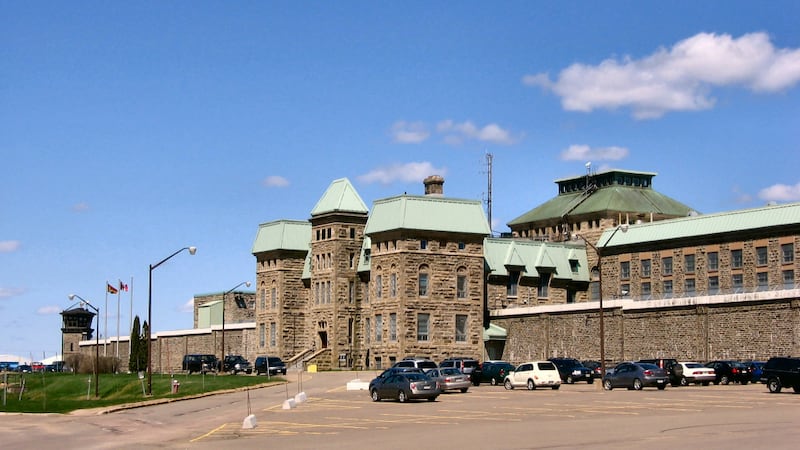
In his Dorchester, New Brunswick penitentiary, Threinen said about one quarter of the inmates were seniors in 2017, and nearly half were 65 or older. For their younger cohort, elderly prisoners are easy targets for robbery, violence and rape, he said.
They faced physical challenges, lack of adequate medical or dental care, and virtually no systems in place to care for dementia.
Outside of prison, Threinen wrote that care homes are often unwilling to take on elderly inmates as patients out of fear, given the nature of their offences.
“They have no place to go,” he wrote.
“In far too many cases, the person in question has just plain given up.”
Living with his legacy
Threinen had an earlier history of violent crimes — some alleged, some proven in court, and he was accused of murder several years before his index offences.
In 1972, he was charged with the murder of a 16-year-old girl while he was out on parole in Saskatoon. He was later acquitted because the Crown could not establish a cause of death.
Though he’s no longer stalking the streets of Saskatoon, the legacy of his crime lives on and is still taught in schools today.
Do you have a story about Canada’s correctional system? Something the public needs to know?Send us a message: SaskatoonNews@BellMedia.ca.

