Indigenous leaders are appealing for compassion after comments made during a Niagara Falls council meeting last week left evacuees from Kashechewan First Nation feeling disparaged and unwelcome in the city that has housed them since January.
Nishnawbe Aski Nation Grand Chief Alvin Fiddler said the remarks, made during a presentation on homelessness to city council on June 23, suggest the municipality is more concerned about its public image than the welfare of displaced people who have been forced from their homes for nearly six months.
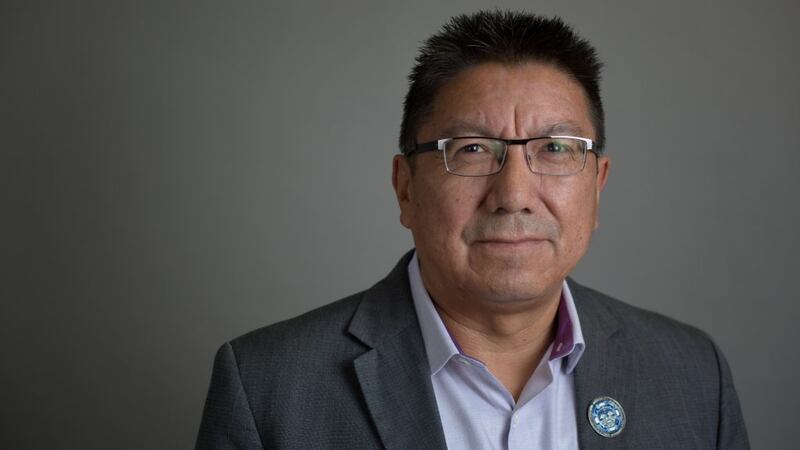
“I share the concerns with the callous comments made by Mayor Jim Diodati and a former municipal official who have essentially said that Niagara Falls can’t be the ‘jewel of tourism’ if too many displaced Indigenous people are seen in public,” Fiddler said in a statement released Monday.
“We didn’t hear these concerns as our members were filling up vacant hotel rooms when Kashechewan was evacuated in January, but it appears to be a different story now that tourist season is here.”
Emergency evacuation
Kashechewan First Nation Chief Hosea Wesley and council declared a state of emergency on Jan. 4, after a major failure of the community’s aging water infrastructure and the flooding of the nursing station with raw sewage. A full-scale evacuation was organized two days later.
According to the presentation delivered to Niagara Falls city council, approximately 1,100 of the 1,700 evacuees across the province are currently housed in city.
The remarks were made by Ken Todd, the city’s former chief administrative officer, who was tasked last fall with creating an action plan to address homelessness.
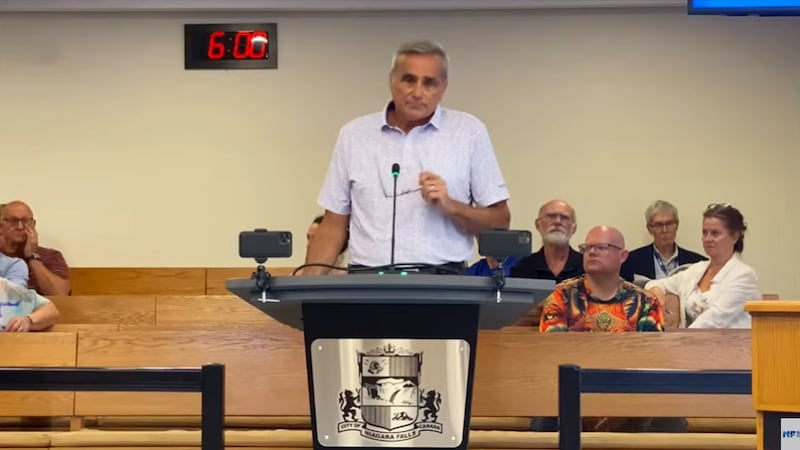
“This community wants to be … the jewel of tourism in Ontario,” Todd told council.
“Unfortunately, a lot of the residents will see Indigenous people on the streets walking around, thinking they’re homeless people from this community.”
— Ken Todd, former Niagara Falls CAO
Todd said the current model places undue strain on local resources, including emergency rooms, police and community support services and called for a purpose-built provincial facility where evacuees could maintain a sense of community rather than being placed in hotel rooms.
Displaced, not homeless
Chief Wesley pushed back against the characterization of his community members as part of the homeless population, emphasizing that they have homes to return to when it becomes safe to do so.
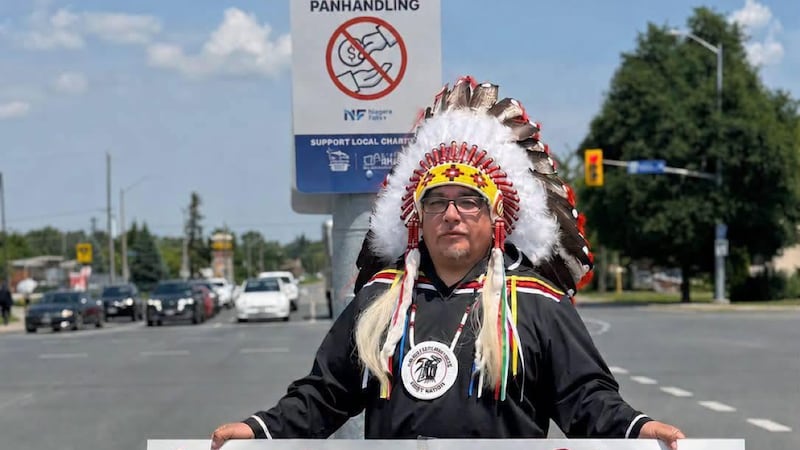
“Our people are not homeless. We are displaced,” Wesley said in a statement Monday.
“There is an important difference.”
— Kashechewan First Nation Chief Hosea Wesley
“Our Elders, parents, and children have homes. They have a community. They have a culture and a deep connection to the land,” said Welsey.
“What they have lost – through no fault of their own – is the ability to safely return home because of the critical infrastructure failures.”
Wesley expressed gratitude for the hospitality shown by many in Niagara Falls but said the comments have left evacuees feeling unwelcome.
“If there is one conversation we should be having, it is this: How do we ensure that no other First Nation community is forced into a months-long evacuation because critical infrastructure has failed?” he said.
“That is the conversation the Government of Ontario, the Government of Canada, and all Canadians need to have.”
Grand Chief disappointed
Mushkegowuk Council Grand Chief Leo Friday, who is among the hundreds of displaced residents, said the remarks validated racial profiling.
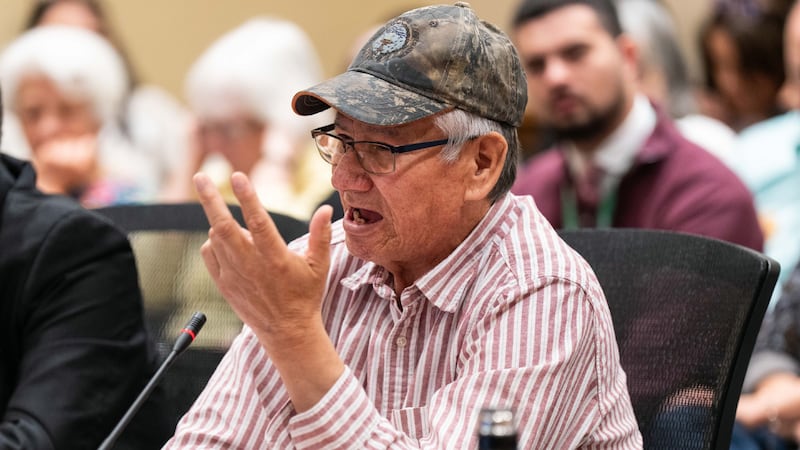
“These remarks were very disappointing because essentially, we have a municipal government validating the racial profiling of Indigenous people and fuelling a false assumption that any Indigenous person seen walking around Niagara Falls is probably homeless,” Friday said in a statement Tuesday.
While Niagara Falls officials have blamed upper levels of government for failing to effectively manage evacuees, Friday said the federal and provincial governments also bear responsibility for the infrastructure failures that forced the evacuation in the first place.
“If Niagara Falls feels its municipal resources are being stretched because of the influx of evacuees, then the onus falls on the federal and provincial government to help,” he said.
Fiddler echoed that sentiment, saying the remoteness of First Nations communities combined with years of neglect has left citizens among the most vulnerable members of society.
“They don’t mean to be a burden, and we are grateful for the assistance provided by host communities,” Fiddler said.
Councillor apologizes
CTV News reached out to Mayor Jim Diodati and all members of city council for comment. As of the time of this publication, the only response received came from Coun. Lori Lococo.
“Please allow me to apologize for the hurt that was caused,” Lococo wrote in an email to CTV News that she said was sent to Chiefs Welsey and Fiddler.
“I was uncomfortable with the comments made that evening and in retrospect I should have stood up and said so and asked Mr. Todd to clarify his comments.”
— Niagara Falls City Coun. Lori Lococo
“As a long-time ally of the Indigenous community, I am disappointed in myself for not doing so. In the future, I will be sure to stand up and speak out on any comments that I feel is racist or hurtful,” continued Lococo.
Fiddler urged Niagara Falls officials to reflect on the remarks and stop viewing evacuees as a blight on the community.
“I remind Mayor Diodati that many evacuees have not seen their homes for six months,” he said.
“It is repugnant that the city’s main concern is public image, not the care and well-being of these displaced people who have been forced to seek refuge far from home.”

