


As temperatures climb during summer heat waves, many people turn to electric fans for relief from the heat.
Fans can help cool the body in many situations, but experts say their effectiveness depends on factors such as temperature, humidity and age. In extreme conditions, a fan may provide little benefit, and can even contribute to heat gain.
“To understand the problem, you need to start thinking that people are like a little heater,” said Stefano Schiavon, a professor of architecture and civil and environmental engineering at the University of California, Berkeley, in an interview with CTVNews.ca.
“There is heat that we generate inside the body and that heat needs to be constantly released.”
Health Canada recommends keeping indoor temperatures at or below 26 C for adults aged 60 and older whenever possible.
When temperatures rise, the body works to stay cool by sending more blood to the skin and increasing sweat production. Sweat cools the body as it evaporates, and fans generally help that process by moving air across the skin, speeding evaporation and increasing heat loss.
Fans work because they enhance the body’s natural cooling systems, Schiavon said.
The picture becomes more complicated, however, as temperatures climb.
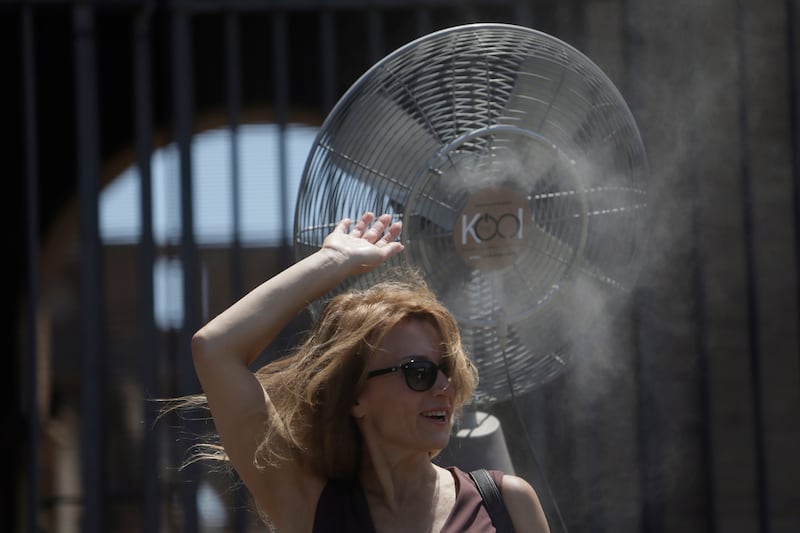
Under normal conditions, the body loses heat to the surrounding air when the air is cooler than the skin. This process is known as convection - heat moving from the body into cooler air.
At a certain point, however, that airflow can become counterproductive, because the body can begin absorbing heat from the environment instead.
“When the temperature is above the temperature of your skin, then the first mechanism, convection, doesn’t work anymore,” Schiavon said. “It actually harms you because it’s warming you up.”
In more humid conditions, fans can continue to help by improving evaporation when sweat is not evaporating efficiently on its own. But as humidity rises further, evaporation becomes increasingly difficult and the cooling benefits of a fan may diminish.
Schiavon said there is no single temperature at which fans stop working, because conditions widely vary.
“It’s relatively hard to find one number,” he said, noting that humidity, clothing, physical activity and individual physiology all play a role.
He said a typical range cited in research is between 32 C and 35 C, with some World Health Organization guidance suggesting around 40 C.
Older adults may be particularly vulnerable during extreme heat because the body’s cooling mechanisms become less effective with age. Older people generally begin sweating later and produce less sweat than younger adults, reducing their ability to shed heat.
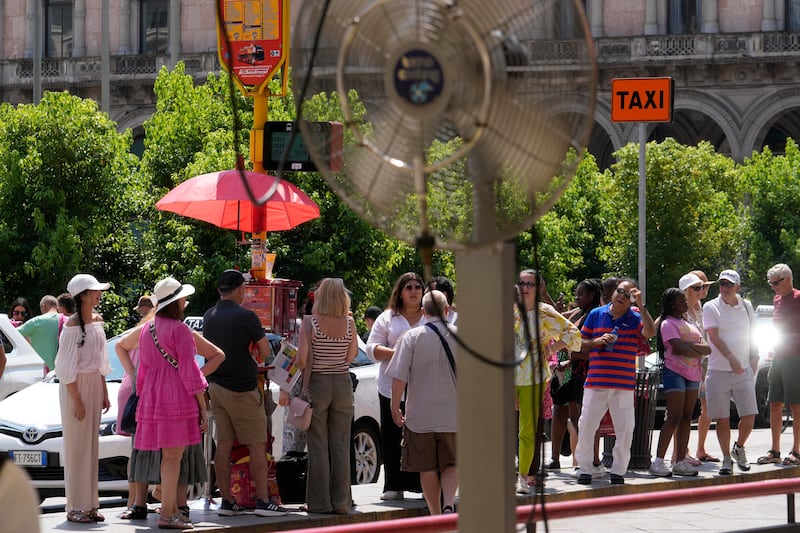
As a result, temperatures that may be manageable for younger people can pose greater risks for seniors.
But Schiavon said age is only a rough proxy for risk.
“If you have someone that is 75 and is running three times a week ... maybe he’s more tolerant to heat than someone that is in his 40s but does not do physical activities,” he said.
Symptoms of heat-related illness can include dizziness, headache, weakness, nausea, heavy sweating, confusion and fainting. Heat stroke is a medical emergency and can cause a dangerously high body temperature, altered mental state and loss of consciousness.
Health Canada recommends drinking water, planning strenuous outdoor activities for cooler days, and seeking air-conditioned spaces during periods of extreme heat whenever possible, particularly for older adults, young children and people with underlying health conditions.
Schiavon said cooling strategies should not be seen as either-or choices between air conditioning and fans, but as layered tools that can work together.
“My suggestion is we should not look at the world of you use (air conditioning) or you use fan as the two technologies that compete,” he said. “I would like to see them always working together.”
He added that reducing indoor temperatures slightly while using a fan can improve comfort and efficiency.
“Instead of keeping 22 degrees inside your house, you can keep 26, 27 ... and use a fan to cool you down.”

