


RAYMOND, Alta. and HIGH RIVER, Alta. - The future of Alberta’s oil and gas industry has become one of the central issues in Alberta’s separation debate, with supporters and opponents agreeing the sector has faced challenges due to the federal government, but remaining sharply divided over whether leaving Canada is the answer.
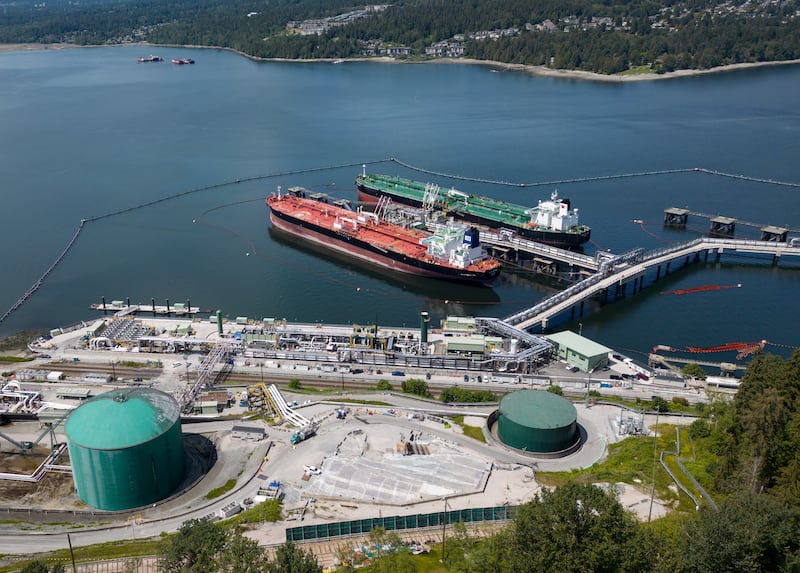
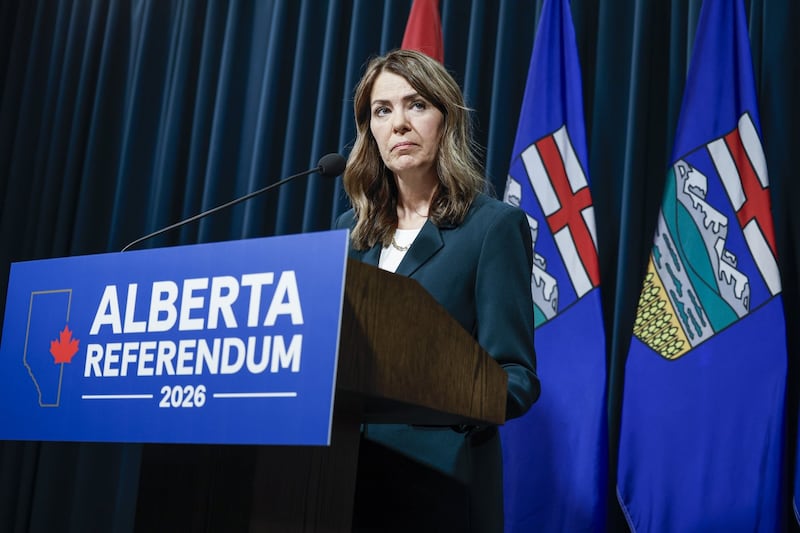
The debate continues as Alberta Premier Danielle Smith and Prime Minister Mark Carney’s memorandum of understanding (MOU) aims to pave the way for a new bitumen pipeline to the west coast, along with other nationally significant infrastructure projects. The agreement is tied to progress on a major carbon-capture network proposed by Alberta’s largest oilsands producers.
Kim Stevens, who proudly wears an Alberta separation shirt to community events in Raymond, Alta., said support for the movement continues to grow.
“I walk around with this shirt and I get lots of thumbs up. I get a few people (who aren’t so supportive), but lots of support. And it’s refreshing,” he said.
Stevens said he supports separation because of the way federal policies are affecting Alberta’s oil and gas industry.
“We have anti-oil regulations and legislation that has curtailed the growth of the oil industry,” he said.
In High River, Alta., John Mahon, a veteran who served 34 years in the Canadian Armed Forces and volunteers with Forever Canadian, said he understands why many Albertans are frustrated.
“(In response to) the first Trudeau (former prime minister Pierre Trudeau) and some of the things that he did with the National Energy Program, I said, ‘What is he doing to Alberta?’”
But Mahon believes those grievances should be addressed as part of Canada.
“I agree with some of the things that their side (says). But when it comes to separation, the line is drawn in the sand,” he said.
“To see any type of separation at home hurts me. Hurts my heart.”
Mahon said the MOU gives him hope that the relationship between Alberta and Ottawa is improving.
“The prime minister just opened the door again for the pipeline,” he said. “Well, perfect. Now we’re moving in the right direction.”
Concerns grow about the future
Stevens, however, said a pipeline alone does not address his broader concerns.
“There still are regulations on no more tankers on the west coast,” he said.
He also pointed to industrial carbon pricing, arguing it makes Alberta’s oil and gas industry less competitive globally.
“I’m concerned about the future,” he said. “There’s more risk in my mind to staying in Canada than there would be going off on our own.”
As Alberta moves closer to a referendum that would ask voters to stay in Canada or whether the government should begin the process toward a future binding vote on separation, Stevens said he views it as a way to strengthen Alberta’s negotiating position rather than an immediate step toward independence.
“It doesn’t mean we’re going to be independent the next day. It just means that we want to have a vote on the issue, which then tells Ottawa that there is a groundswell of people that are not happy with the way things are,” he said.
“Perhaps give leverage to the Alberta government to negotiate a better deal.”

