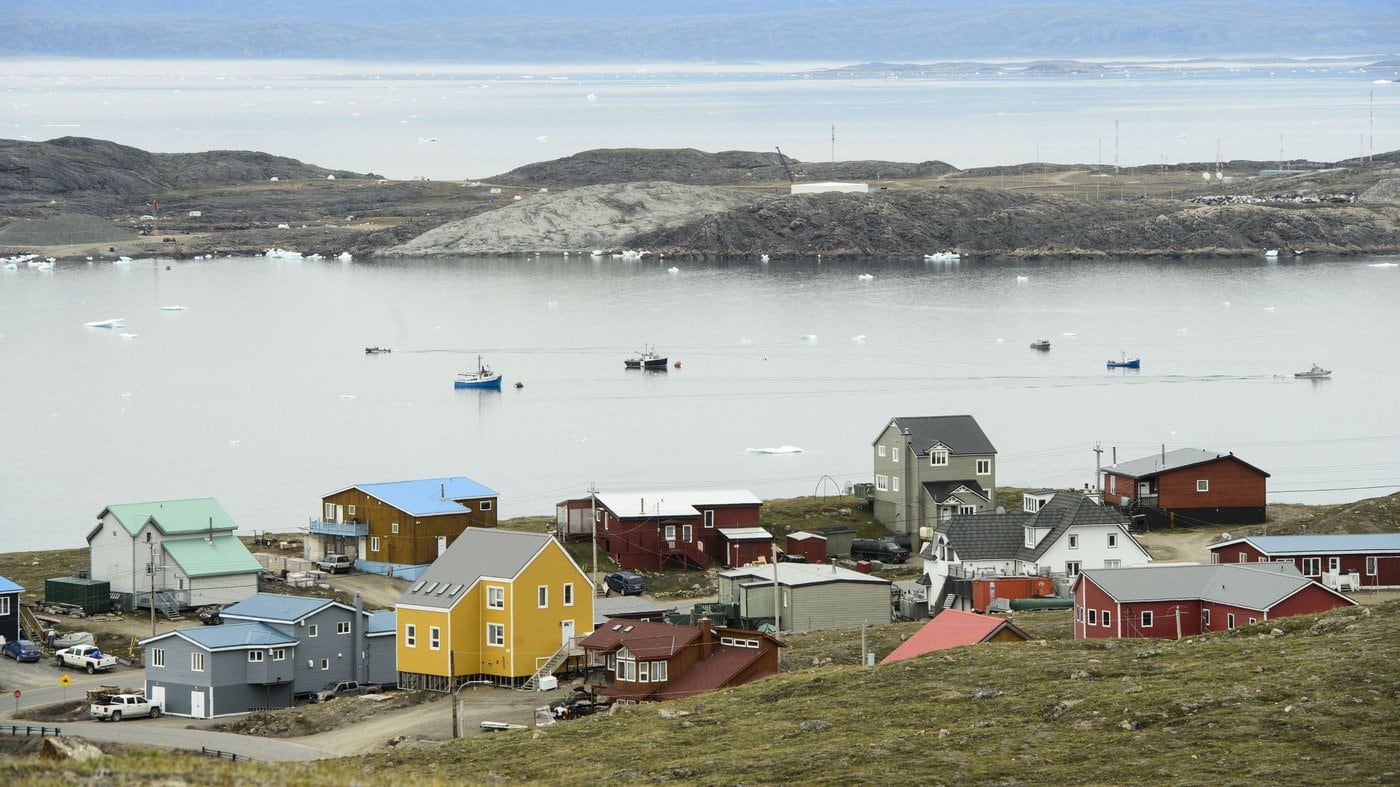
IQALUIT — A massive plan to formally guide where, how and when land and water can be used in Canada’s easternmost territory has been rejected by the federal and Nunavut governments, as well as a group representing Inuit in the territory.
The Nunavut land-use plan went through four drafts since 2007 and, during that time, the Nunavut Planning Commission held hundreds of meetings, technical workshops, hearings and interviews across the territory’s 25 communities and in northern Manitoba.
The commission presented its plan to governments and Nunavut Tunngavik Incorporated for review in 2023.
A statement from Crown-Indigenous Relations and Northern Affairs Canada says all three parties now agree further work is needed.
It says all three parties look forward to continuing to engage with the commission through next steps of the process.
The plan is to balance economic, environmental and social needs and included requirements for key wildlife habitat, contaminated sites, military facilities, community areas of interest and drinking water.
It’s a legal requirement under the Nunavut Agreement, which was passed by parliament 30 years ago and established Nunavut as a territory in 1999.
“We will work closely with the Nunavut Planning Commission toward a final plan that meets the requirements of the Nunavut Agreement, respecting Inuit decision-making, supporting self-determination, and serving the interests of Nunavummiut for generations to come,” Northern and Arctic Affairs Minister Rebecca Chartrand said in the statement.
Brian Koonoo, Nunavut’s environment minister, said in the statement that the territorial government “remains committed to working with our partners to address outstanding concerns.”
The Nunavut Planning Commission said in 2023 that the plan featured a distinct approach to managing Inuit-owned lands, allowing Inuit associations in the territory to provide exemptions in areas that have year-round prohibitions.
It changed caribou post-calving areas from having year-round prohibitions to seasonal restrictions and identified additional key caribou habitats in the Qikiqaaluk region. It also identified more Arctic char fishing rivers, which are protected from development.
Gloria Uluqsi, president of Nunavut Tunngavik Incorporated, said the decision to get further review “brings us one step closer to achieving a plan.”
“The first territory-wide plan must reflect Inuit rights and priorities and be capable of enduring over time,” Uluqsi said in the statement.
“Getting it right is crucial to ensure it serves Inuit and Nunavummiut for generations to come.”
This report by The Canadian Press was first published July 3, 2026.
Rob Drinkwater in Edmonton, The Canadian Press

