As Saskatchewan expands the eligibility for routine breast cancer screening, advocates say more needs to be done to encourage uptake.
As of July 1, women aged 40 and older can book an appointment to get a screening mammogram without a referral in the province.
“It’s not enough to just make this policy change. We need the government to raise the awareness that women can now go,” said Jennie Dale, executive director of Dense Breasts Canada.
Saskatchewan joins seven other provinces and territories that have lowered age eligibility to 40. Alberta and Manitoba have also committed to lowering their screening age within the year.
Changes to eligibility do not necessarily translate into an immediate influx of patients seeking mammograms, according to Dale.
“It’s not going to be like a tsunami rushing in, but hopefully the uptake will increase,” she told CTV News.
Screening uptake for women in their 40s is low, Dale said, and can range from 20 to 30 per cent depending on the province.
Dale believes misconceptions and a lack of awareness contribute to the low uptake.
Wait times may also be a deterrent, according to Vancouver breast radiologist Dr. Paula Gordon.
“Even the ones who want to go (for a mammogram) sometimes can’t because the next appointment is not for a month,” she said.
Nationwide shortage
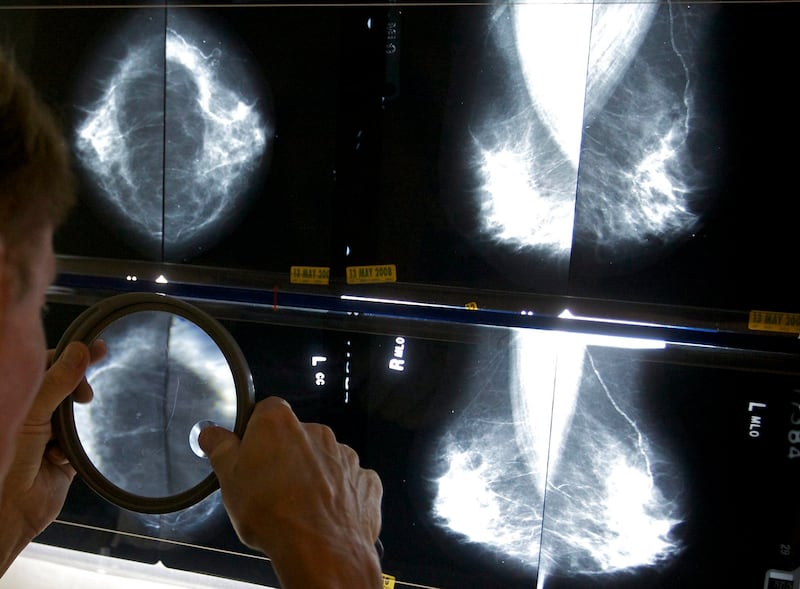
There is a countrywide shortage of technologists and specialists, Gordon said, which is leading to longer wait times for mammograms, diagnoses and treatment in some areas.
“Provinces need to invest in more training spots for technologists,” she said. “Then they have to pay them well when they graduate so they will stay in the province.”
Earlier this year, Saskatchewan introduced a second mobile mammography unit to increase screening capacity in rural and northern communities. The province has also been working to recruit and retain staff.
Wait times for screening mammograms range from one week to four months, according to the Saskatchewan Cancer Agency.
An agency spokesperson told CTV News they do not anticipate any capacity issues with the expanded eligibility as Saskatchewan lowered the age requirements in a phased approach over 18 months.
More than 2,000 women aged 43-49 have already received a screening mammogram or are booked in for one since the province started lowering the age from 50.
One day after dropping the age to 40, the spokesperson said the agency is already noticing an influx in calls to book appointments.
The cancer agency is in the early planning stages of an awareness campaign to notify more women of the changes.
Growing risks
Studies show breast cancer incidence for women in their 40s is on the rise, which is why Dr. Gordon would like to see more people getting screened.
“Because breast cancer grows faster in younger women, it’s especially important that they get screened and we find it early,” Gordon said.
Women who have mammograms in their 40s are 44 per cent less likely to die of breast cancer, according to Gordon.
Early diagnoses often mean less aggressive treatments, she added, making it less likely a mastectomy or chemotherapy will be needed.
“Finding cancer early not just saves lives but improves the quality of life for women with cancer,” she said.
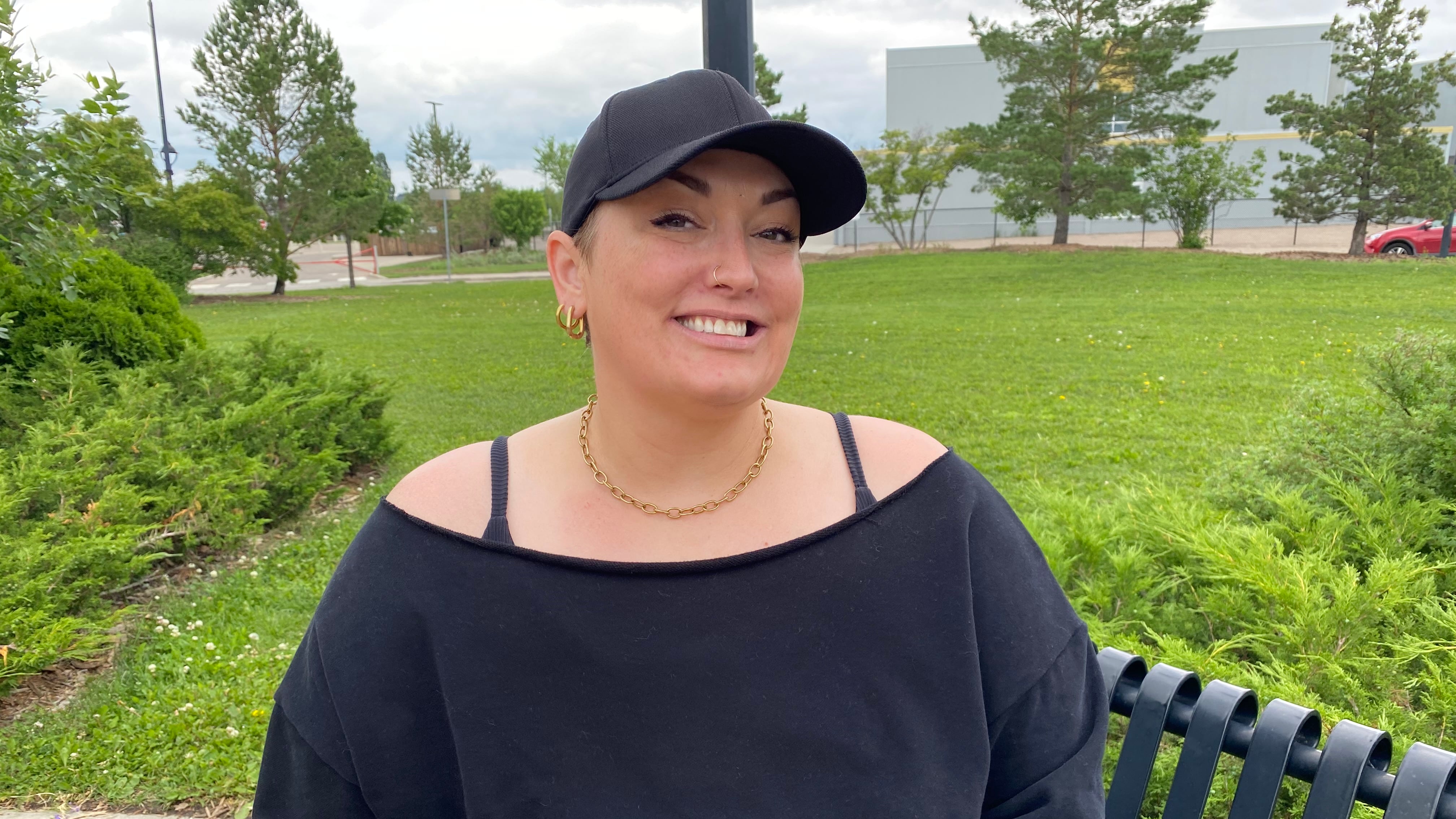
Renae Morrison, a Saskatoon mother of two, was diagnosed with breast cancer in 2023 at the age of 39.
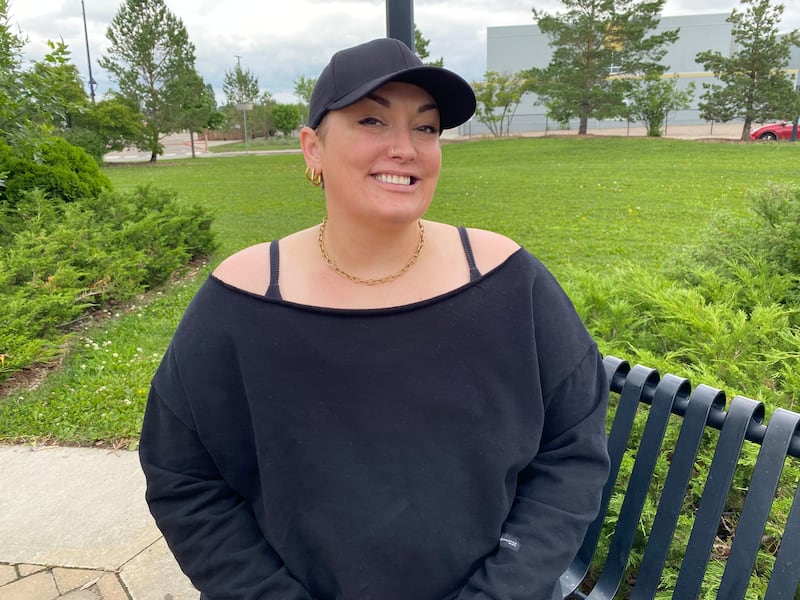
She found out when she went in for preventative care after her 37-year-old sister was diagnosed with breast cancer.
“It changes everything,” she told CTV News. “I have been off work for a long time.”
She had a mastectomy and underwent chemotherapy. The cancer came back shortly after, she said, but she’s been considered “cancer free” for the last two years.
Morrison, now 43, believes early detection saved her life. She said she’s thrilled to hear women her age will have the opportunity to be checked routinely.
“Everything that I’ve been through would have been substantially worse had I not known early,” she said.
Screening mammograms are routine examinations intended for women with no breast symptoms.
Most women are encouraged to undergo a screening mammogram every two years, according to the Government of Saskatchewan.
Women who have concerns or experience symptoms, regardless of age, should speak with a health care provider.
Dispelling myths
Common myths are preventing more people from seeking early screening, Gordon said.
“Some women have heard that mammograms are horribly painful and they’re afraid to go,” she said.
Mammograms require the breast to be compressed in order to get a clear image, according to Gordon. The compression should be uncomfortable but not excruciating, she said.
Each breast is only compressed for about 10 seconds per image. Each breast requires two images.
“If women are finding that it’s more painful than they can tolerate, it’s okay to tell the technologist to stop,” Gordon told CTV News.
She said the argument that mammograms expose patients to high levels of radiation is another myth.
The amount of radiation exposure in mammograms is similar to taking a flight across Canada, she said.
“The harm of radiation is negligible in women 40 and older,” Gordon said. “It’s not a huge amount of radiation.”

