OTTAWA – First responders show up to help on someone’s worst day. But in this country, they face unique risks, including violence committed against them, once they arrive on scene.
“It’s a daily event,” said Mike Carter, a Calgary firefighter who represents around 12,000 firefighters and paramedics in Western Canada with the International Association of Fire Fighters (IAFF).
Though there’s now optimism that newly passed changes to the Criminal Code will help reduce these instances, or at least ensure tougher penalties for perpetrators Canada-wide.
Tucked in to the federal government’s bail reform bill are greater legal protections that will make it easier for courts to impose stricter sentences for crimes committed against first responders who are carrying out their duties.
“Many first responders are regularly exposed to violence, threats, aggression, traumas, incidents, that’s part of their work,” said Brenda Tirrell, founder of the Ottawa First Responders Foundation.
“These experiences don’t always result in physical injuries, but they have lasting effects psychologically.”
This spring, the Ottawa Paramedic Service and Ottawa Police Service released details on three incidents in a four-day period that saw first responders assaulted, including someone allegedly spitting in a paramedic’s face, and a firearm produced while paramedics responded to a call.
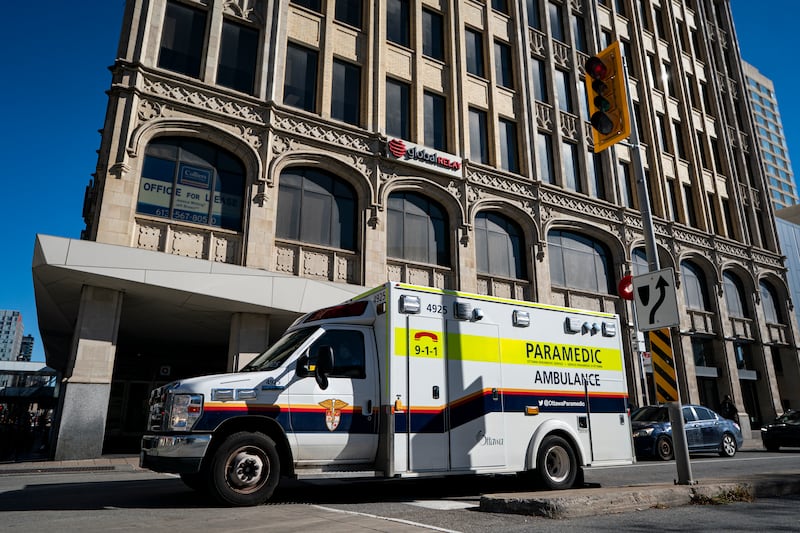
As of April, Ottawa Paramedic chief Pierre Poirier told CTV News Ottawa that there had already been 25 incidents this year where paramedics were assaulted, after more than 100 incidents last year.
“It’s very important that the community knows that this is happening, and, secondarily, that we can’t tolerate this,” Poirier said.
Starting July 15, judges will have to consider if a victim of a crime was an on-duty firefighter, paramedic, police officer, or other first responder, as an aggravating factor that could increase the sentence imposed.
Carter said that up until now, while there were specific considerations for violence against police officers, other first responders were treated as part of the general public.
“I think there was definitely a sense of minimizing the risk that they were taking,” he said. “This helps step in the right direction to recognize the work that they do.”
While Carter called it a “reactive response,” he said the IAFF considers it an important step to take.
“By prosecutors and judges putting this out there and utilizing this new legislation, we’re hoping that that becomes preventative in the long run – not only with the public, but also for our members – to make sure they’re reporting these incidents so that it gains more traction,” Carter said.
“And then when harsher sentences are levied, that hopefully that’ll be a deterrent for people not to do this.”
These changes were stitched into the federal government’s broader Bill C-14, the Bail and Sentencing Reform Act, which received royal assent when Parliament adjourned for the summer in June.
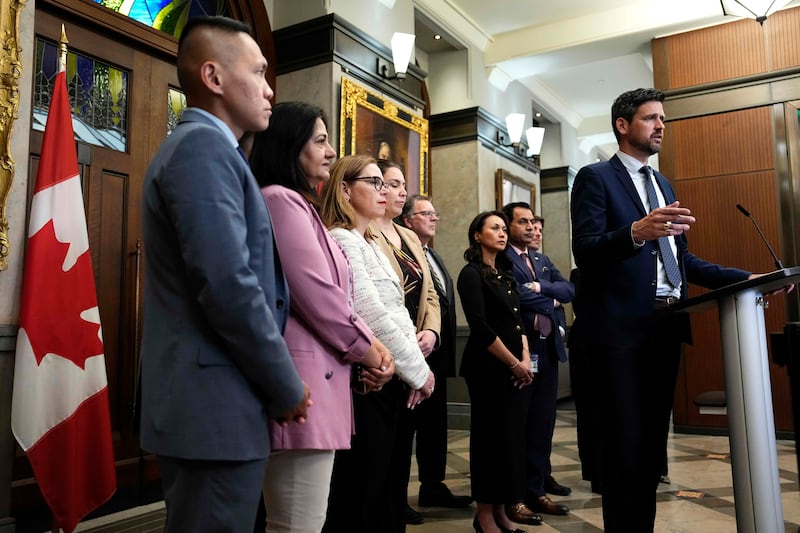
“We welcome anything that recognizes the unique risks that first responders take and what they face every day serving their community,” said Tirrell, who has spent 18 years as a volunteer firefighter and has seen firsthand the experiences of first responders who face violence at work.
“Having crimes against first responders specifically recognized is very important, and it’s a message that violence against first responders will not be tolerated,” she said.
Advocates say while the new laws are a welcome move, it’s just one piece of the puzzle when it comes to improving the day-to-day conditions for Canadian emergency workers.
“I also think there’s the mental-health concerns and occupational stress injuries our members incur when they are faced with these circumstances,” Carter said.
“When you’re attacked at work and you know you’re assaulted, scratched, hit with pipes, shot at, that obviously has a negative impact. So, making sure there’s supports in place to help with those first responders on an ongoing basis is extremely important.”
Last month, Ontario Premier Doug Ford called for an emergency premiers’ meeting to discuss violence against police, in light of a string of recent on-the-job deaths and injuries.

Ford has asked that the issue be added to the agenda when the Council of the Federation gathers in Charlottetown, later this month.
“We cannot allow ourselves to become numb to these tragic events. We must act,” Ford said in a letter to P.E.I. Premier Rob Lantz, who also serves as chair of the Council of the Federation.
“These tragedies underscore the need for a serious national conversation about public safety, support for law enforcement and the growing risks faced by those who put themselves in harm’s way every day.” Ford said.
Carter said he thinks this is an important conversation for leaders to have, and he hopes the focus broadens to include other first responders.
“Usually, it’s a multi-agency response … it’s police, EMS (emergency medical services), and fire in most circumstances,” he said. “I think ensuring that all of those people are protected and are recognized for the work that they do is extremely important.”
Conservative Sen. Leo Housakos proposed similar protections for first responders and health-care workers. His bill passed in the Senate last year but was not studied by the House of Commons before the government’s legislation advanced this spring.
The federal Liberals’ version also creates new aggravating factors for courts to consider in cases involving crimes against public transit workers, organized retail theft and mischief that damages essential infrastructure.
With files from CTV News Ottawa

