A pilot project in Montreal’s Verdun borough is testing an innovative way to help declining local pollinator populations by turning building materials into habitat.
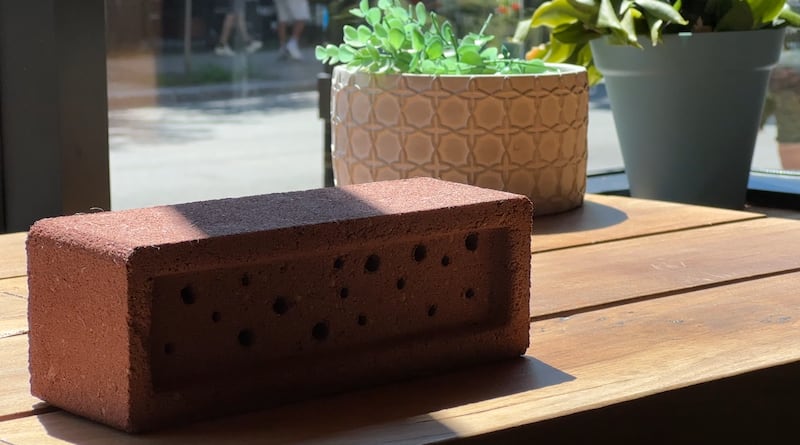
Organized by Brick Recyc, the project has developed “Bee Bricks” designed to provide nesting spaces for local bees.
The bricks are being tested as an alternative nesting place for local bees that, they say, could help support an entire ecosystem.
“You can install inside a wall. You can put it in a garden on a post or wherever you need it. And you have some holes in it of different sizes where solitary bees can find shelter,” said Elodie Jeanne, spokesperson for Brick Recyc.
Jeanne says solitary bees are different from honeybees. They are native to Quebec, and they don’t live in colonies. They are among the most effective pollinators, but the population has declined.
“We have designed out nature from all buildings. They’ve become smoother. (...) A healthy pollinator population requires much more than just this,” she explains.
Building block for solutions
Jeanne adds that bees need more green spaces and pesticide-free environments to thrive.
With bee bricks allowing people to plant inside building facades, they could be the building block to solving an environmental problem.
Brick Recyc encourages those interested to contact the team.
“It’s an invitation to talk about, not only about the bees, but about our relationship with being urban and trying to introduce nature into our cities,” Jeanne tells CTV.
The team says the weather-resistant bricks are best placed where they’ll receive sunlight. They must be installed at a certain height and routinely cleaned.
“I have a bit less than 20 person who, you know, who raise their hand. But we have to see if it’s a good place to install it. (...) We will try also to have a good variety of, you know, places,” Jeanne says.
The team plans to evaluate the results of the pilot project over the next two years.

