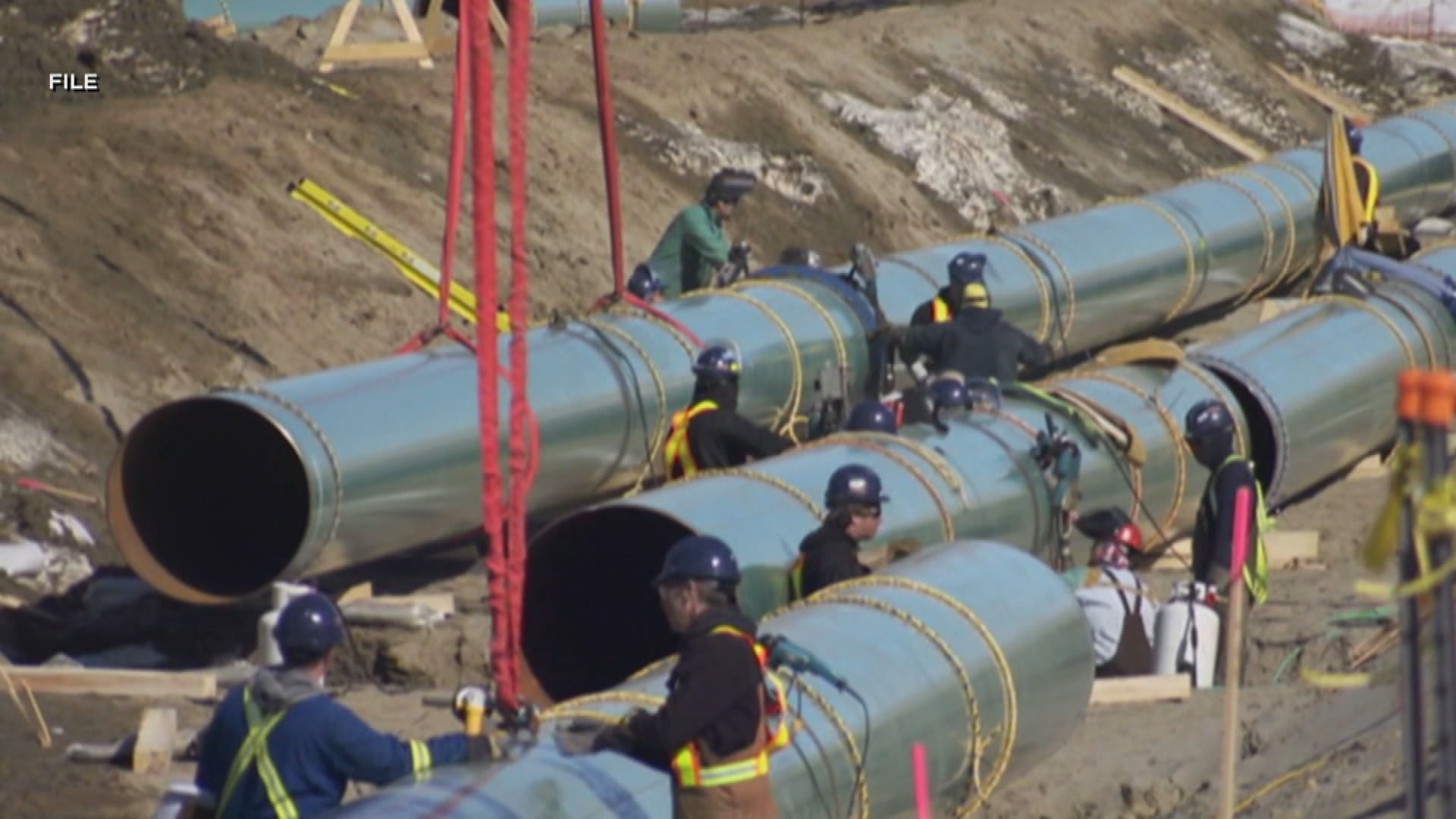
The Anishinabek Nation is raising alarm over the proposed Northern Shield Energy Corridor, a 3,300-kilometre crude oil pipeline that would carry up to 800,000 barrels per day from Hardisty, Alta., to Sarnia, Ont., saying the project was announced without meaningful consultation with affected First Nations.
Grand Council Chief Linda Debassige issued a statement Wednesday expressing “deep concern and disappointment” with the Government of Ontario over the project, which was unveiled publicly on July 6 by Ontario Premier Doug Ford and Alberta Premier Danielle Smith.
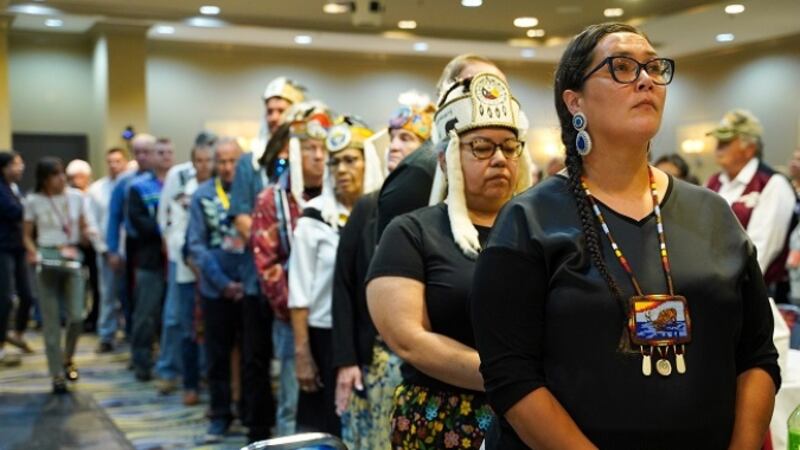
‘Blindsided’ by announcement
Debassige said the announcement caught Indigenous communities off guard.
“It is alarming that this announcement has blindsided First Nations, as no meaningful discussions or consultations took place before its public reveal yesterday,” she said in the statement.
The proposed corridor would follow a primary route entirely within Canada, connecting Alberta’s oil production to refining facilities in Sarnia, an industrial hub with three refineries and extensive pipeline infrastructure. Ontario has said it is now proceeding to define estimated costs and examine commercial models, while also initiating its duty to consult with Indigenous partners.
But Debassige rejected that approach, arguing that governments have a history of engaging only after Indigenous rights are asserted.
“Historically, we have observed time and time again that First Nations are treated as an afterthought by governments, and their representatives only want to engage in discussions after we assert our inherent and Treaty rights,” she said.
Treaty rights
Debassige cited recent court decisions that she said have failed to change government behaviour, and invoked the words of Tecumseh from 1810.
“The assault on Treaty territories by governments that unilaterally decide what, where, and when they can do as they please must stop, and greater respect needs to be given by the Crown and its representatives to its Treaty partners,” she said.
She warned that if governments will not listen to their own courts, “perhaps it’s time for direct action by rights holders of this land.”
Provincial leaders tout economic benefits
In its news release Monday, the Ontario government described the corridor as a historic nation-building project that would reduce Canada’s reliance on foreign markets, create redundancy for existing pipelines and strengthen national security and domestic supply chains.
“We’re going to keep working to build a more secure, united and resilient Canadian economy, so we can keep Canadian workers on the job, make life more affordable for Canadian families and help get Canadian energy to new markets across the country and around the world,” Ford said in the release.
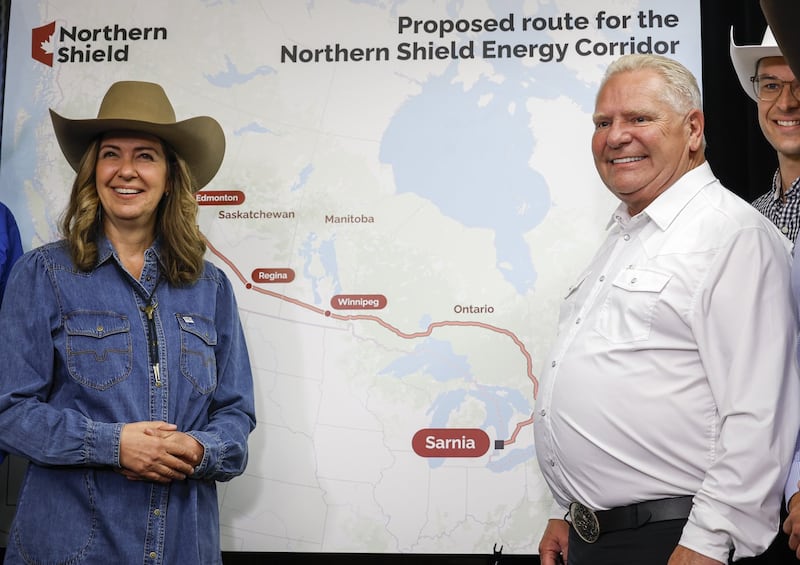
Smith said the project would connect Alberta’s energy with Canadian refineries and markets, creating jobs and laying the foundation for future growth. Saskatchewan Premier Scott Moe also voiced support, saying the project would generate national wealth for health care, education and community safety.
The corridor stems from a memorandum of understanding between Ontario, Alberta and Saskatchewan. Ontario said it is also exploring pipeline extensions to new and existing ports, including a possible link to the Port of Churchill in Manitoba.
Call for genuine dialogue
Debassige quoted Manitoba Premier Wab Kinew in her statement: “You can’t do nation-building without the First Nations of this land.”
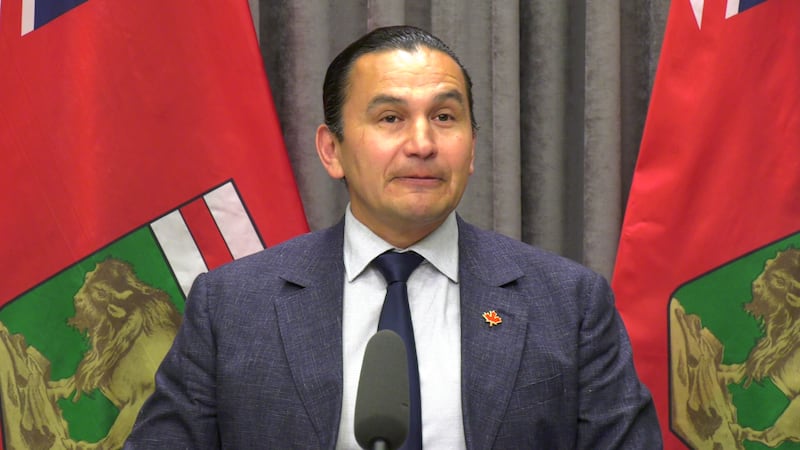
She called on governments to respect Indigenous sovereignty and engage in genuine dialogue, saying major infrastructure projects crossing traditional territories must include meaningful engagement, consent and respect for all First Nations along the corridor.
“We call on governments to respect our sovereignty, engage in genuine dialogue, and recognize that the future of our lands and communities must be at the heart of any decision regarding resource development,” she said.
“We will continue to stand firm in defence of our rights, environment, and our way of life.”
— Anishinabek Nation Grand Council Chief Linda Debassige
Ontario responds to consultation concerns
Following the initial publication of this article, CTV News received a response to its provincial government inquiries from Ontario Ministry of Infrastructure spokesperson Sofia Sousa-Dias. She said the province values Indigenous perspectives as it explores nation-building projects.
“Ontario has initiated our duty to consult with Indigenous communities and will seek input during the feasibility study, and beyond, from communities to better understand how a potential pipeline project could impact credibly asserted or established Aboriginal or treaty rights, and to identify matters that should be considered in the ongoing analysis while examining possible opportunities for Indigenous equity and participation,” Sousa-Dias wrote in an email Wednesday evening.
The ministry added that letters were sent to Indigenous communities prior to the July 6 announcement with an update regarding the feasibility study and that it recognizes this is the beginning of an ongoing consultation process.
In its response, the ministry concluded that the government will continue to fulfill any consultation obligations that may arise as the study progresses.

