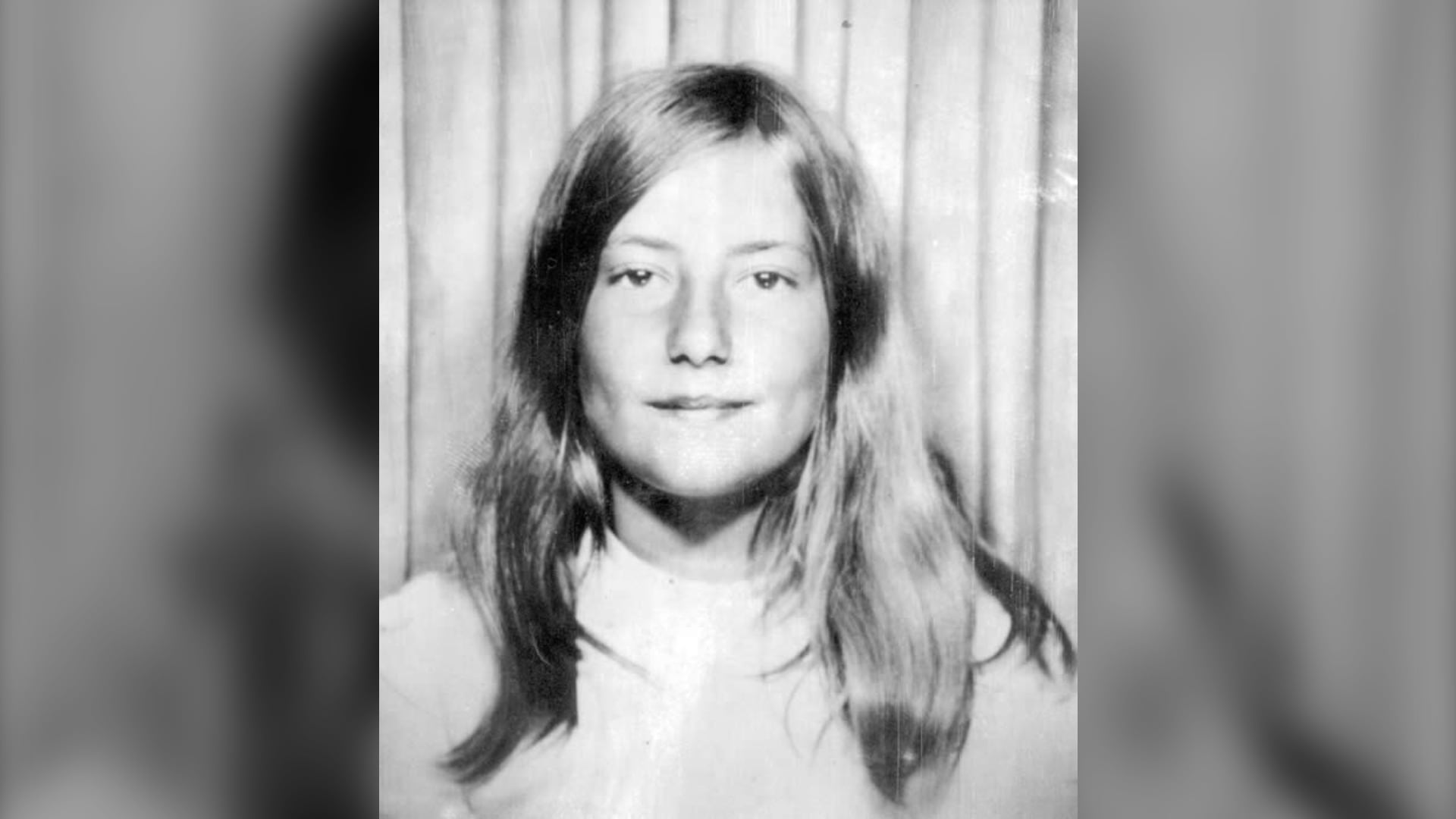
It’s been 50 years since the disappearance and death of Nova Scotia teenager Judy Geraldine Parks.
The 14-year-old was last seen the evening of July 10, 1976. Her family reported her missing the following day.
Parks had been living in an apartment on Keating Road in Halifax.
Her body was discovered on Oct. 9, 1976, in a wooded area off Highway 103, near Timberlea, N.S. Her remains were partially covered up for concealment.
The girl’s death was ruled a homicide, but no arrests have ever been made.
In an email to CTV News, Cpl. Colin Shaw of the RCMP – HRP Integrated Cold Case Unit says, after decades of investigation and public appeals, Judy Parks’ murder investigation remains active.
“Investigators remain hopeful that advances in forensic sciences, modernized investigative techniques, and periodic case reviews will help solve this case,” Shaw said. “These approaches are being applied, where possible, to historical homicide investigations across the county.”
Though RCMP refuse to say whether any tips are still coming in about the case, Shaw did say they continue to assess information as it comes in, and encourage anyone who may have information to contact police.
“Even after 50 years, new information can make a difference,” he added.
‘Extremely challenging’ to solve decades-old cases
According to Michael Arntfield, the founder of the Cold Case Society at the University of Western Ontario, solving a case after this amount of time is rare.
“Extremely challenging, largely as a result of limited crime scene control protocols at the time of the original investigation, chain of custody and preservation issues with respect to any potentially biologically examinable exhibits since that time, lack of living or lucid witnesses, and a general lack of institutional memory or continuity by dint of all original investigators having since retired or died,” Arntfield told CTV News in an email.
The Western University criminologist and author says this is where scientific advances come into play, including investigative genetic genealogy (IGG).
He says, if DNA exists even in micrograms that couldn’t be previously submitted for testing using legacy police databanks, it can supplant other typical cold cases methodologies pre-2017 when it was officially pioneered.
“The bottom line is that IGG is now largely the only game in town for cases 50+ years old,” Arntfield added. “In many cases the perpetrators in even more recent cases are already long since dead by the time they’re identified – though at least this procedure allows for a belated answer and some degree of closure, if there is such a thing.”
He points to several cases in Canada where IGG has been used, in both homicides and unidentified remains cases, dating back over 50 years:
- Alice Spence (SK, 2017 – suspected homicide)
- Ljubica Topic (ON, 1971 – sexual homicide)
- Ricky Singer in 2023 (from Ohio, died in Ontario – cause of death u/k).
In the event, after all this time, people are holding out hope of a deathbed confession, Arntfield adds they’re extremely uncommon.
“Deathbed confessions, as a general rule, are extraordinarily rare,” he says, “though they remain a key exception to the hearsay evidence exclusion in Canadian law because they can be key in older, historical cases where there is no DNA suitable for IGG and no other witnesses.”
They’re so rare, the Western University professor pointed out, he knows of only two such cases in Ontario involving cold case murders.
What stands out in the Parks case
“Judy Parks was a young 14-year-old girl who lost her future,” says Shaw. “After all this time, her family is still without answers. Her case is a reminder of the devastating impact on loved ones and the importance of continuing to seek justice.”
Despite the time that has passed since Parks’ disappearance, investigators with the cold case unit remain in periodic contact with the family.
“While these communications are less frequent than they once were, the family will be informed upon any significant developments in the case,” says Shaw.
“It remains our hope that this case will one day be solved and that Judy Parks’ family will finally receive the answers they have been waiting for.”
Rewards program
This case is part of Nova Scotia’s Rewards for Major Unsolved Crimes program.
A reward of up to $150,000 for information leading to the arrest and conviction of the person(s) responsible for the murder of Parks is being offered.
According to Shaw, investigators believe someone knows what happened to Judy Parks and are appealing to those individuals to consider whether their loyalties, relationships, or willingness to come forward have changed over the decades that have passed.
“Even seemingly insignificant details that may have appeared unimportant in 1976 could be the missing piece needed to connect with evidence already collected by investigators,” he says.
Any person with information about the murder of Judy Geraldine Parks can call the Rewards for Major Unsolved Crimes Program at 1-888-710-9090.
For more Nova Scotia news, visit our dedicated provincial page

