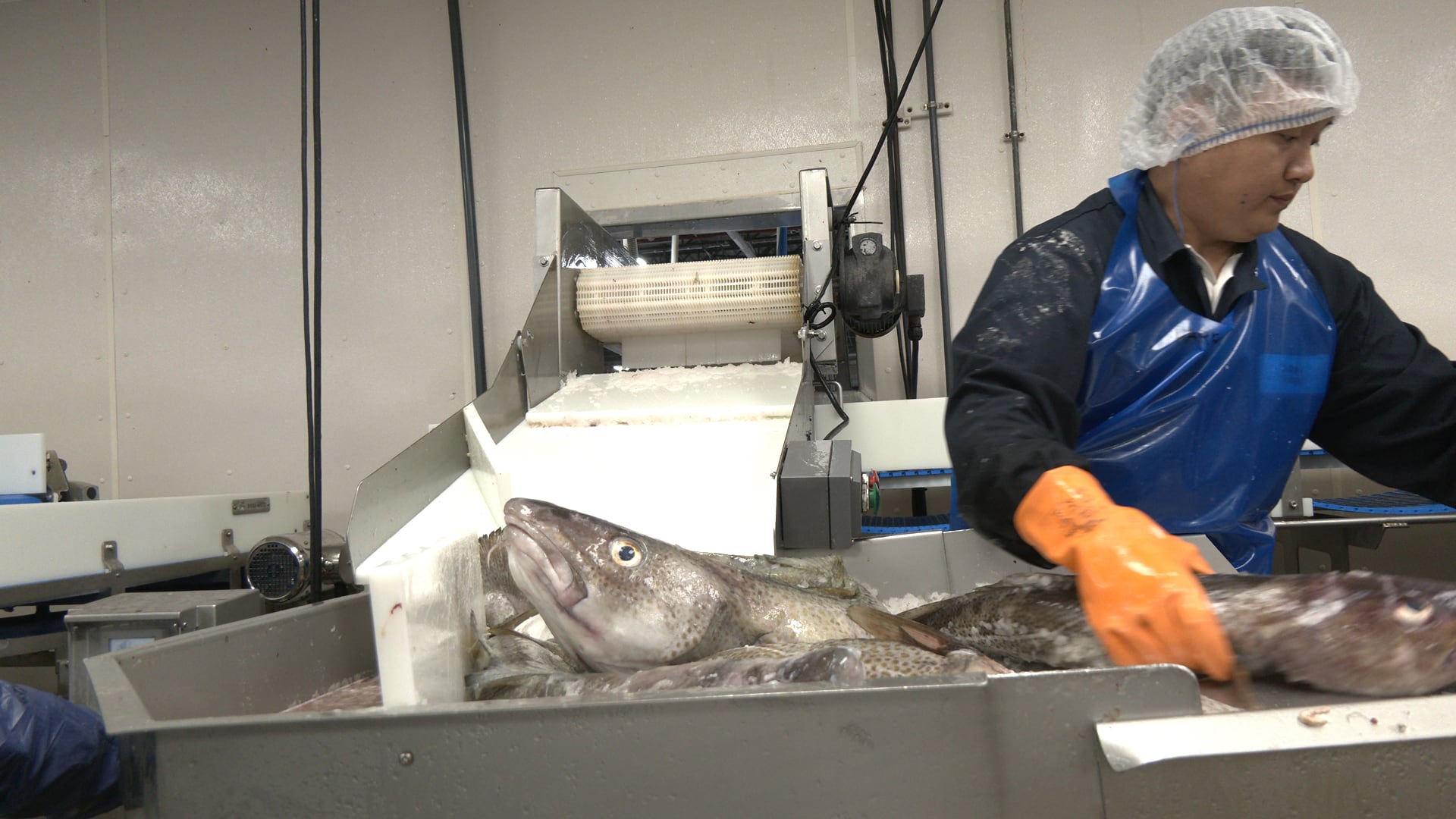
ARNOLD’S COVE, N.L. - For years, staff at Icewater Seafoods in Arnold’s Cove cut, cleaned and carved imported cod — raw fish frozen at sea, bought from other countries — dreaming of a day when local products could fill the warehouse again.
Now, northern Newfoundland cod is coming fast and plant owner Alberto Wareham says there is a window of opportunity and market demand for the Canadian product to re-establish itself on the world stage.
“The stars are aligning for Canadian cod right now,” Wareham said from his office in Arnold’s Cove. “But we have a three-to-five-year window.”
Catch volumes are declining in both Iceland and in the Barents Sea he explained. The latter has just seen a 16 per cent reduction in quota for their fishery, co-managed between Norway and Russia.
Meanwhile, the total allowable catch is surging in Newfoundland and Labrador. Northern cod quotas will reach 59,000 tonnes this year, after decades of a functional commercial ban.
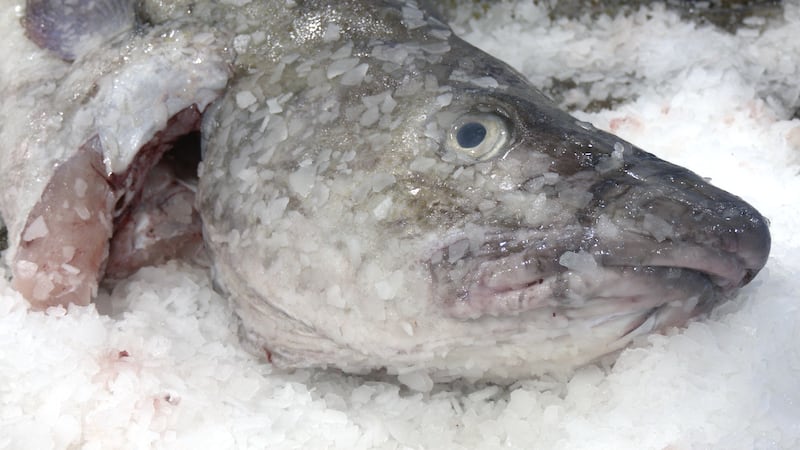
That jump — from just 13,000 tonnes fish harvesters were capped at in 2022 — means Newfoundland and Labrador fish can start to fill the gap, while other fisheries are stagnating.
“I can sell more cod than I’m going to get this year,” Wareham said. “The world supply of North Atlantic cod has changed significantly in the last five years.”
That product squeeze might last three to five years. A team of researchers with the Joint Russian-Norwegian Arctic Fisheries Working Group wrote in a report in June that they expect continued low growth in the Barent sea cod stock until at least 2029.
But while the opportunity is rising, Wareham’s plant and its workers will need more fish to meet the moment.
N.L. sees increased fishing effort
Although catching restrictions eased further last year for the historic Northern cod stock in Newfoundland and Labrador, inshore fish harvesters didn’t fill their quotas — they left about 19 per cent of the total allowable catch in the water, according to estimates by the Department of Fisheries and Oceans.
“We need, as the quota grows, we need fishermen to invest in cod-specific boats that can fish later into the year,” Wareham said. “The only way we’re going to catch more fish is to catch more in the fall or winter. You can only catch so much in the summer.”
After the cod moratorium threw thousands of people out of work in Newfoundland and Labrador, many fish harvesters switched to crab and lobster — which, as of 2025, were far more lucrative fisheries.
Wareham said his plan is to compete on quality, not just on quantity. He believes a treasured Maine Stewardship Council certification, which has long been a goal for fishery stakeholders in the province, could open new markets for Newfoundland and Labrador products.
“If you have MSC, there’s no cod customer in the world that you shouldn’t be able to supply,” Wareham said.
The shocking collapse of Newfoundland’s northern cod stock through the 1980s and ‘90s spurred the creation of the MSC program. For the northern cod fishery to meet the standard — industry stakeholders in the Atlantic Groundfish Council announced they would attempt to gain the certification this year — would make for a remarkable full-circle moment.
“It is a remarkable turnaround and will mean so much to the coastal communities in Newfoundland and Labrador,” said Rupert Howes, the head of the Marine Stewardship Council, in a news release in April.
That attempt came just after the fishery received good news from DFO scientists. Latest estimates by stock researchers, released in March, suggest cod-stock biomass had increased in 2025, and the population could withstand increased fishing effort in the province.
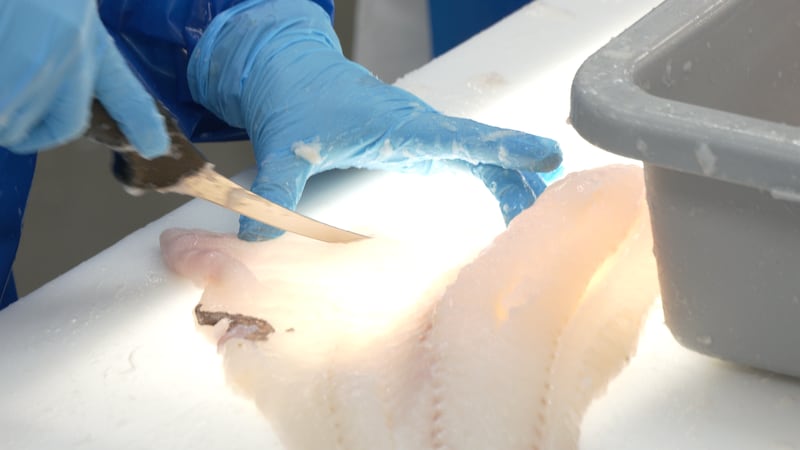
Still, the cod populations in the waters north of Newfoundland are only about a third of what they were in the 1960s. Non-profit group Oceana Canada said last month that the increased fishing quota authorized by DFO this year and the increased stock assessment was “overstating recovery.”
“Increasing the quota for northern cod prioritizes short-term catches over the long-term stability of this fishery,” Oceana Canada scientist Rebecca Schijns said in a news release.
“The stock is showing signs of recovery, but it is not rebuilt, and increasing removals puts rebuilding progress at risk.”
Wareham said a year-round fishery, which includes catches from large corporate-owned boats in Newfoundland’s offshore areas, is key to keeping his workers employed.
His plant employs about 320 workers — 100 of them being temporary foreign workers — making it by far the largest employer in the community of Arnold’s Cove.
“You know, if this place, God forbid, ever shut down — I mean, where are 300 people going to get a job in rural Newfoundland?” plant worker and union organizer Brenda King said.
“No way it could happen.”

