This is Part 2 of a two-part investigative series on home renovations in Canada. Read Part 1 here.
A new Nanos Research poll conducted exclusively for CTV News found that more than a third of Canadians feel that governments are doing a poor to very poor job protecting homeowners from unethical or fraudulent contractors.
CTV News’ investigative unit W5 has heard from many Canadian homeowners who paid for renovations that were never finished, or who were scammed after paying for work and having little to nothing done.
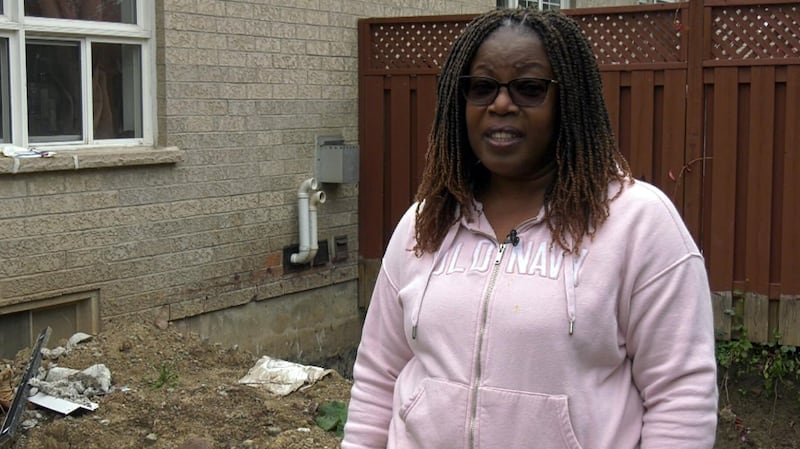
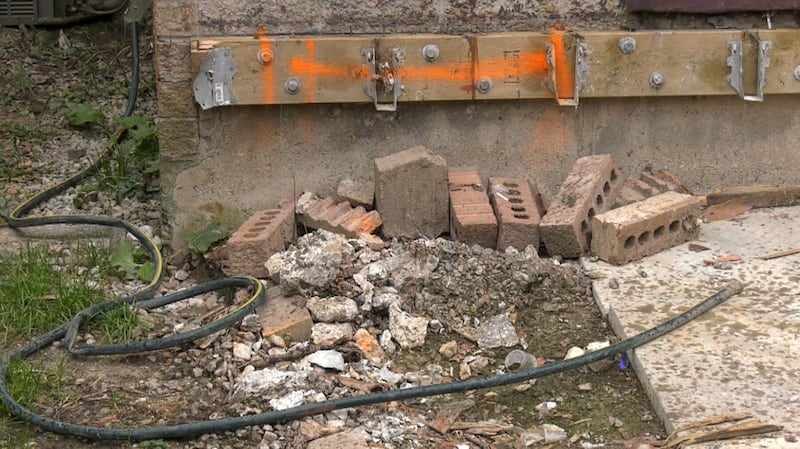
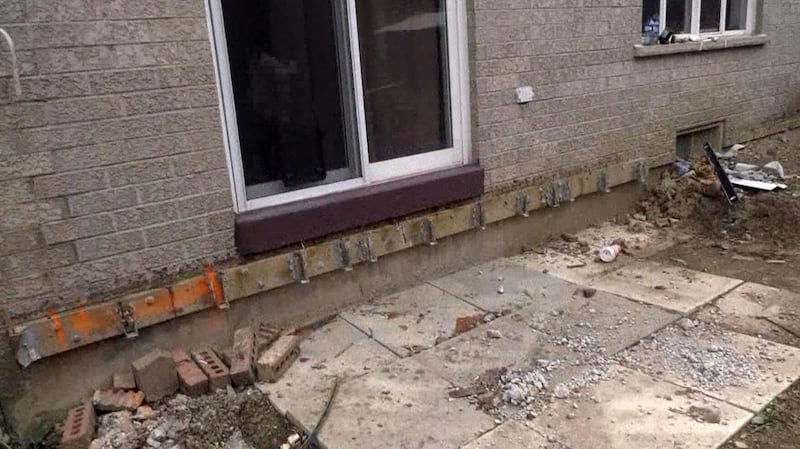
Doreen Johnson of Brampton, Ont. hired a company last year to build a separate entrance to her home so she could make a basement apartment for her son. She paid a company $28,000 in advance because the contractor said he needed the money to buy materials. Johnson said once she handed over the funds, he never came back.
“I feel like I’ve been robbed. I feel stupid, I feel scammed,” said Johnson.
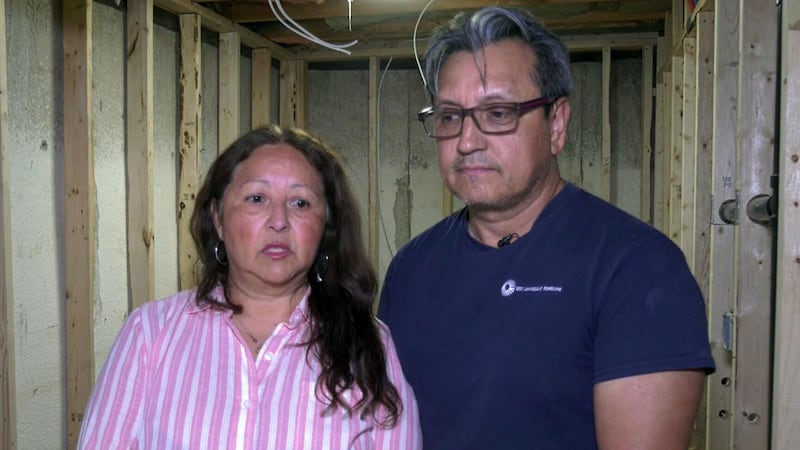
CTV News also interviewed Gino and Cristabell Carletti of Mississauga, Ont., who already had a finished basement, but decided to add a kitchen and separate entrance last year, to make it a legal basement apartment.
They found a company that claimed it could do the job in $85,000. The contractors from the company gutted the lower level of their home and never returned to complete it, once they got paid.
“I feel sad and disappointed because I don’t know how we are going to finish this,” said Cristabell Carletti.
They are not the only ones.
The poll found 39.1 per cent of Canadians feel governments are doing a poor (23.8 per cent) or very poor job (15.3 per cent) of protecting homeowners from unethical or fraudulent contractors, while only 5.2 per cent felt that governments are doing a very good (1.4 per cent) to good (4.8 per cent) job of protecting homeowners from unethical or fraudulent contractors.
W5 reached out to the Toronto Police Service’s Financial Crimes unit.
Det. David Coffey said there have been reports of home renovation fraud daily, this year.
“Officially, we’ve received about 150 renovation scams (so far this year),” said Coffey.
Often when homeowners are defrauded, they contact police. The investigators may take a report, but they don’t always get involved.
I asked Coffey: “A lot of the time when people get ripped off in a renovation scam, they think the police are going to help them. But that’s not the case, is it?”
“Because there is that blurry, gray line from it being a criminal matter and it being a civil matter… that’s the first thing we have to determine,” Coffey said, adding “I know that frustrates people.”
Police don’t get involved unless they can clearly prove fraud, theft and an intent to deceive.
“It’s more than just proving a bad contractor, because there are bad contractors out there who don’t know how to do what they are promising. That is one thing. That’s the civil realm, we have to show criminal intent,” said Coffey.
The Canadian Home Builders’ Association (CHBA) said consumers can try to protect themselves by checking references, getting multiple bids, and having an itemized contract.
“There is no question you should be paying in installments as things happen,” said Kevin Lee, CEO of CHBA.
Lee said one of the best ways to protect yourself is to have a payment schedule, and payments should only be made as work is completed.
“A lot of the horror stories we hear are people continuing to make payments with nothing happening on-site, which is really a good indication you should not be advancing any more money,” said Lee.
Both Johnson and the Carlettis told CTV News they wish there were more regulations in place to protect homeowners when renovations go wrong, as the financial implications can be devastating.
“We are paying for something we didn’t get,” said Gino Carletti.
Johnson said, “I want my money back so I can have someone else do the job.”
With files from CTV News Toronto’s Farah Chandani

