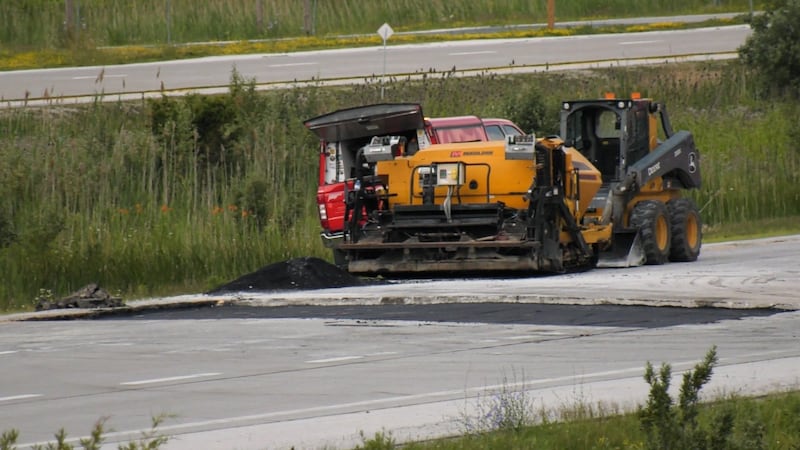
An Ontario highway, Highway 402, east of Windsor, had to be shut down last week because extreme heat caused it to buckle and expand for the second straight year in a row -- while one of Ontario’s key transit services, GO Transit, said it will have to slow down its trains in extreme heat because of the risk of tracks buckling.
These are just a couple of examples of cities having to react to mitigate or repair damage caused by climate change, unless they begin investing into climate-proofing their infrastructure, say climate experts.
“The level of heat that we’re now seeing and the frequency at which we see temperatures ... are beyond what infrastructure was designed for,” said Ryan Ness, director of adaptation at the Canadian Climate Institute, in an interview with CTV News Saturday.
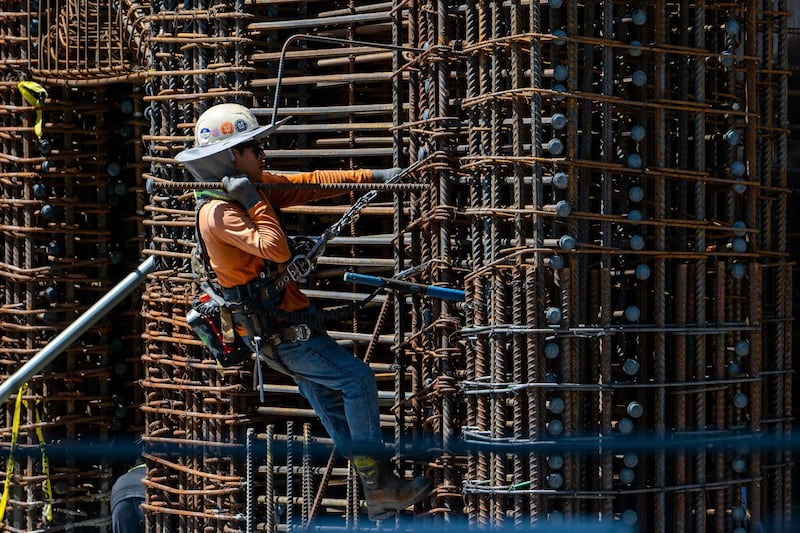
“Steel, concrete, asphalt are expanding and contracting more often than they used to. They’re reaching temperatures they’re not designed for, which leads to either catastrophic damage like the heaving we’ve seen on Highway 402 or longer-term chronic damage: rotting potholes, degrading bridges that need maintenance more often.”
A report released earlier this year by the Canadian Climate Institute titled “Prepare or Repair: How Climate-Proofing Public Infrastructure Pays Off” found that investing in climate-proofing infrastructure could save Canadian cities billions of dollars each year.
The report estimates that over the next 75 years, Canada will have to pay roughly $15.1 billion per year on average to maintain, renew and reactively repair infrastructure but if Canada spends roughly $4.1 billion, proactively adapting infrastructure to make it climate-resilient, costs from climate change damage could be reduced to $2.5 billion per year.
The total cost of the $4.1 billion investment plus $2.5 billion in repairs means Canada could save $8.6 billion annually, according to the report.
Ness says roads are the first things governments should start tackling, taking advantage of doing maintenance work to repair the pavement with heat-resistant asphalt.
“Roads are by far Canada’s most expensive and valuable form of infrastructure just because there’s so much of it -- and it’s so important to how, not only people get around, but goods get around -- and how the economy functions in this country,” said Ness.
“Heat related failure -- whether it’s dramatic and shutting down roads completely or just leading to more construction delays, is going to slow down our entire economy.”
Ness also believes the biggest deterrent to governments investing in climate-proofing infrastructure is the barriers between different levels of government and the funding available to municipal bodies.
“One of the challenges is that much of Canada’s public infrastructure -our roads, our sewers, our bridges - are owned by municipal governments, who have the least amount of revenue generating and taxation capabilities,” said Ness.
“So, they often are just struggling to maintain the infrastructure that they have. They need both more funding and new powers to generate revenues to create the amount of funding that they need to make these kinds of investments in repairing the infrastructure that we have and making it more resilient.”
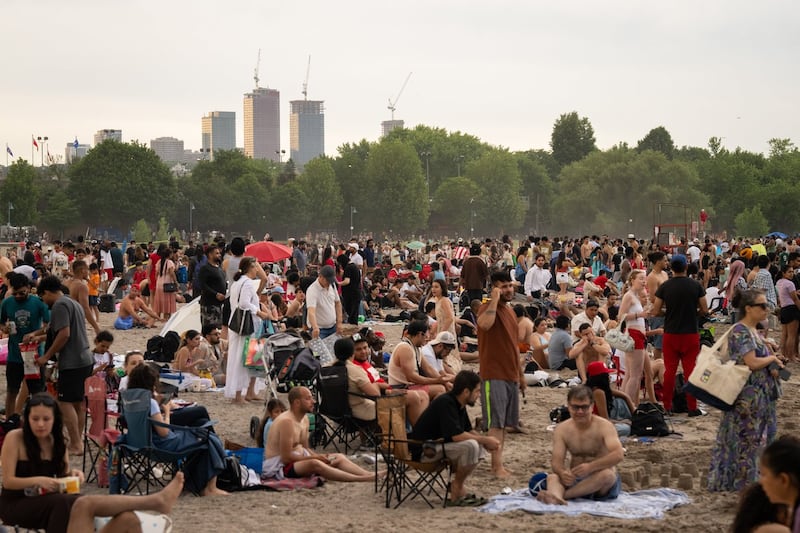
Climate experts also add that it’s not just infrastructure that needs to be changed to allow cities to adapt to climate change, but that communities, policies and laws also need to shift towards supporting residents during bouts of extreme heat.
“Number one is our maximum indoor temperature,” said Anabela Bonada with the Centre for Climate Adaptation at the University of Waterloo.
“Health Canada just released a guidance document that 26°C should be the absolute maximum indoor temperature. Most deaths and illness during extreme heat happen indoors -- so it’s so important for municipalities to start to have those bylaws so that landlords must guarantee a minimum internal temperature of 26°C.”
Bonada says the second priority is to build more green spaces, not just maintain the ones that currently exist in Canadian cities.
“Affluent neighbourhoods have more of these ... but we need them in all parts of the city,” added Bonada. “So, where we have lots of parking lots, it would be good to lift some of that up and make sure to add trees so trees can really help reduce the surrounding temperature by anywhere from two to 15°C."

