Warning: Graphic content
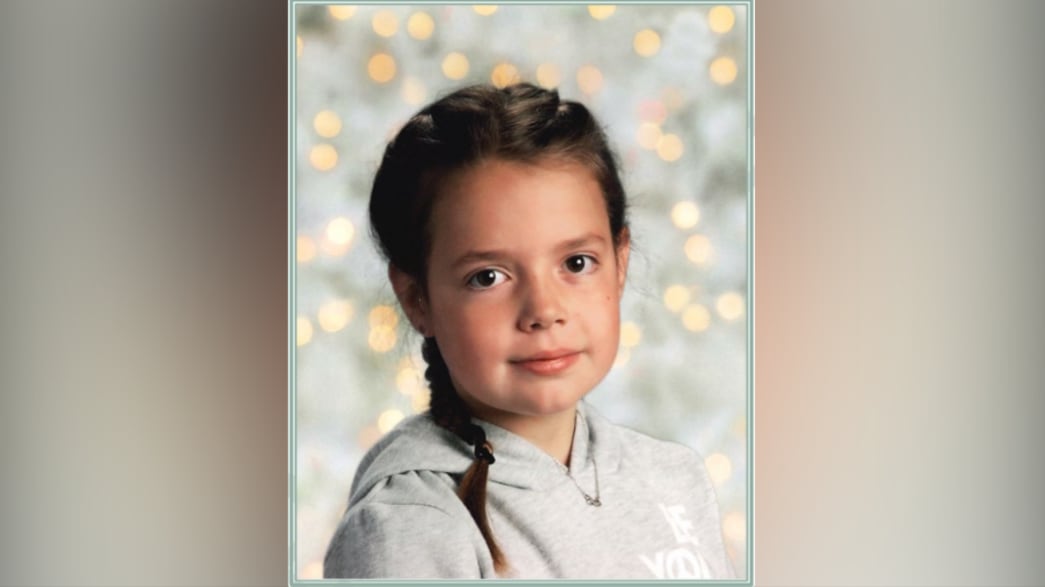
CHARLOTTETOWN - The murder of nine-year-old Olivia Rodd by her mother was “preventable,” according to a new report from Prince Edward Island’s child and youth advocate.
Marv Bernstein concluded multiple people and service providers missed a dozen opportunities to protect the girl.
The investigation found professionals in several sectors failed to share information that could have helped present a more complete picture of the risk Olivia faced. Various individuals, including police officers, also failed to fulfill their legal obligation to report child protection concerns.
“We began to see certain patterns that became more disturbing,” Berstein said.
“Providers were turning a blind eye. And there were many misconceptions.”
According to the report, the family had contact with multiple agencies, including Child Protection Services, police, Health PEI, community mental health services, schools, family law programs, Victim Services, the PEI Rape and Sexual Assault Centre and private mental-health practitioners.
Olivia’s mother, Danielle White, suffered from considerable mental-health challenges.
They both died of acute carbon monoxide poisoning at White’s home in Charlottetown in July 2020, after White sealed it from the inside with plastic and tape and burned charcoal, according to the coroner’s inquest
CTV News requested an interview with Olivia’s father, Danny Rodd. He said it is a very difficult week and he would be spending time with family.
‘Disturbing’ patterns
Bernstein’s office reviewed “mountains of material,” including case notes, policies and practice standards, and interviewed 27 witnesses over the course of the investigation.
The report outlines multiple systemic barriers that prevented professionals from fulfilling their mandatory reporting requirements, including a lack of understanding of which situations needed to be reported to Child Protection Services, negative perceptions of the agency and a lack of child-centredness by providers.
Bernstein said some individuals wrongly thought they needed to validate concerns or conduct “a mini investigation” before reporting them. Others misunderstood the law to mean there had to be “criminal intent” before a concern was reportable, or thought the permission of a supervisor was required.
A lack of confidence in Child Protection Services also played a part, he added, sometimes based on prior negative experiences with the agency.
“Some professionals thought they were fairly anemic and ineffectual,” Bernstein said. “And then, in a small province here in P.E.I., there were some who felt as though they could be embarrassed. They could be identified as the source of the information.”
Mother’s privacy and care put ahead of child’s safety
Bernstein said many professionals, particularly those in mental health, prioritized protecting the privacy of Olivia’s mother rather than Olivia’s safety. Interviewees were worried about breaching their client’s or patient’s confidentiality, he said.
In February 2020, during a therapy session at the PEI Rape and Sexual Assault Centre, Olivia’s mother reported that her suicidal ideation was heightened. She later added she would “definitely not” die by suicide before a Disney trip with Olivia in May, according to the report.
This incident is identified as one of the missed opportunities. White was allowed to return home within hours of being in acute crisis. Workers did not document the risk that situation posed to Olivia, or notify Child Protection Services.
“Service providers saw Olivia as part of the resource, or a therapeutic tool to help the mother prevent suicide,” Bernstein said. “So putting the emphasis solely on protecting the mother, without recognizing that this was elevating the risk to Olivia.”
He adds child protection legislation overrides other provincial laws that emphasize confidentiality, and anyone who reports in good faith is protected from civil liability.
However, Bernstein said there is a “vacuum” in the law when it comes to clear authority for service providers in different sectors to share information that relates to the best interests of a child.
That gap informs the report’s first recommendation, out of 20.
Olivia’s Law and other recommendations
The child and youth advocate is recommending the Department of Social Development and Seniors table a bill in the next fall session known as Olivia’s Law.
The proposed law would allow service providers to share information, without consent, about a child, youth, parent, guardian or family member when they are serving one or more of the same people and reasonably believe the disclosure is in the best interests of the child or youth.
Bernstein said the aim is to put that authority in one clear piece of legislation, so non-lawyers are not left trying to interpret several privacy laws while deciding whether they can share information to protect a child.
In a statement to CTV News, a spokesperson for the Department of Social Development and Seniors said it is committed to working collaboratively to fully implement the report’s recommendations.
The department said Olivia’s death happened before the province introduced its new Child, Youth and Family Services Act, adding “significant improvements” have since been made. Those include clarifying the legal responsibility to report concerns about a child’s safety and well-being through the message, “Don’t wait, make the call,” as well as enhanced training, collaboration and engagement across government and with key partners.
The report’s recommendations include strengthening training and policies on mandatory reporting within Child Protection Services, police services, the Department of Health and Wellness, Health PEI and other agencies; promoting child-centred practices; and amending the PEI Coroners Act.
The report also calls for public bodies and community organizations named in the recommendations to respond in writing within 12 months, and annually after that, detailing actions taken to implement them.
In 2013, four-year-old Nash Campbell was also killed in a murder-suicide by his mother in PEI Bernstein said two similar tragedies in seven years is too many, especially in a small province.
Without changes, children remain at real risk, he said.
“It could happen again.”
If you or someone you know is in crisis or struggling with mental illness, here are some resources that are available.
Canada Suicide Crisis Helpline (Call or text 988 or visit 988.ca)
Centre for Addiction and Mental Health (1-800-463-2338)
Kids Help Phone (1-800-668-6868)
If you need immediate assistance call 911 or go to the nearest hospital.

