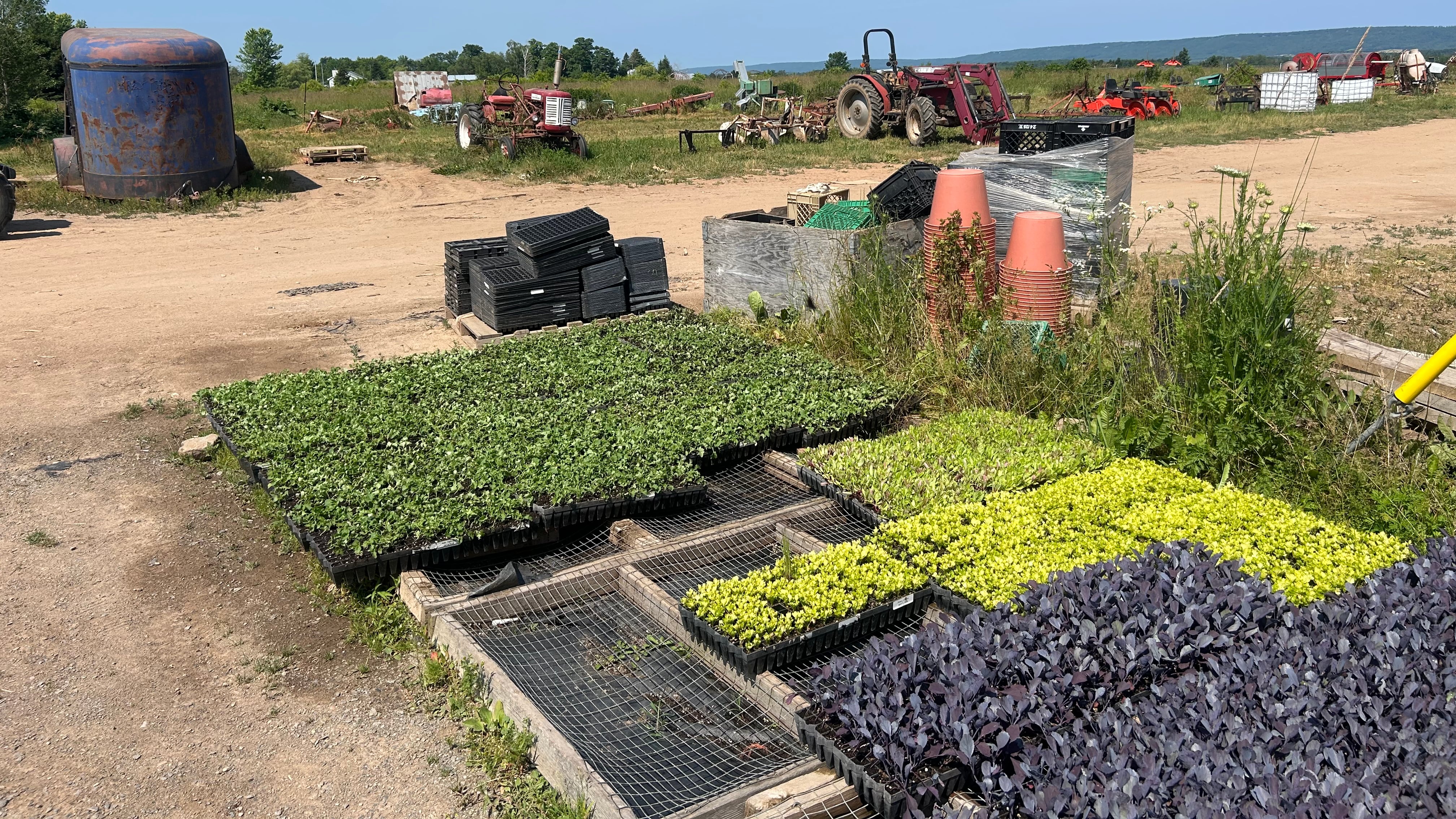
LOWER CANARD, N.S. – The summer of 2025 in Nova Scotia was one of the driest in decades, damaging crops and causing financial hardship for farmers across the province. The effects have been long term -- this year’s strawberry season was off to a late start causing produce to be smaller.
Josh Oulton’s farming season in Nova Scotia is off to a good start, but haunting memories are hard to shake.
“We all are still a little gun-shy from last year, which was an extreme drought,” said Oulton who has several farms that grow fruits and vegetables in Lower Canard and Port Williams, N.S. Oulton says his strawberries have been irregularly sized.
“You’ll also see they are inconsistent,” said Horticulture Nova Scotia President Jordan Eyamie. “So, you will have the big ones in with the little ones.”
Dalhousie University professor and food researcher Sylvain Charlebois said last year’s drought threatened the viability of many farms in Nova Scotia.
The result was price increases in the produce sections at grocery stores, because last year’s crop yields fell short. He said this was especially true for vegetables that grow close to the ground.
“Think about potatoes, carrots and things like that,” said Charlebois.
“Farmers are quite resilient, and they are used to taking on risks, that are weather-related,” he said. “They are always one season away from giving up and leaving the industry altogether.”
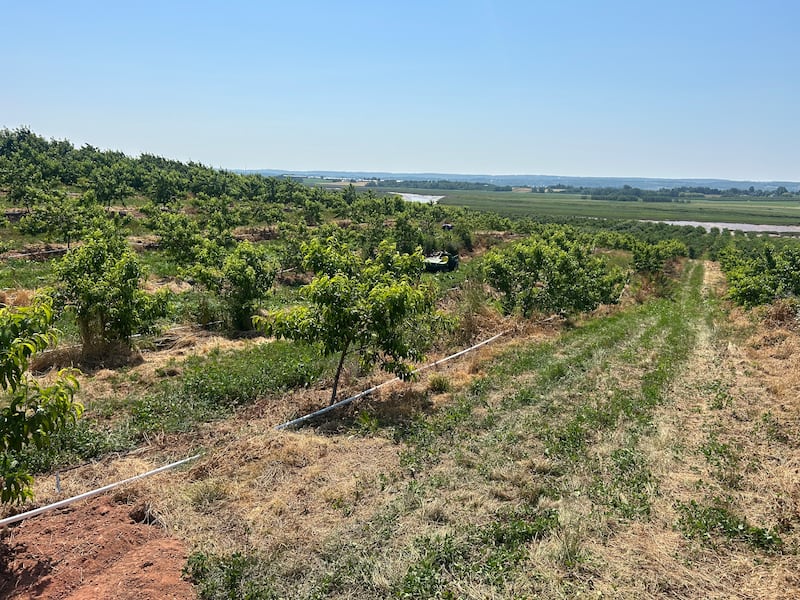
N.S. received a lot of rain in June, but with a drier July, Oulton now finds himself scrambling to protect hundreds of acres of his farmland.
Last summer he pumped hundreds of thousands of litres of water on his crops each week. This year Oulton has learned efficiencies and new ways to streamline the process.
“What crops need is one inch of water each week,” he said
A provincial government grant has allowed Oulton to install micro-sprinkling systems. The On-Farm Water Management Program provides financial support from the Nova Scotian government to farmers, allowing them to install wells, ponds, and sprinkling systems.
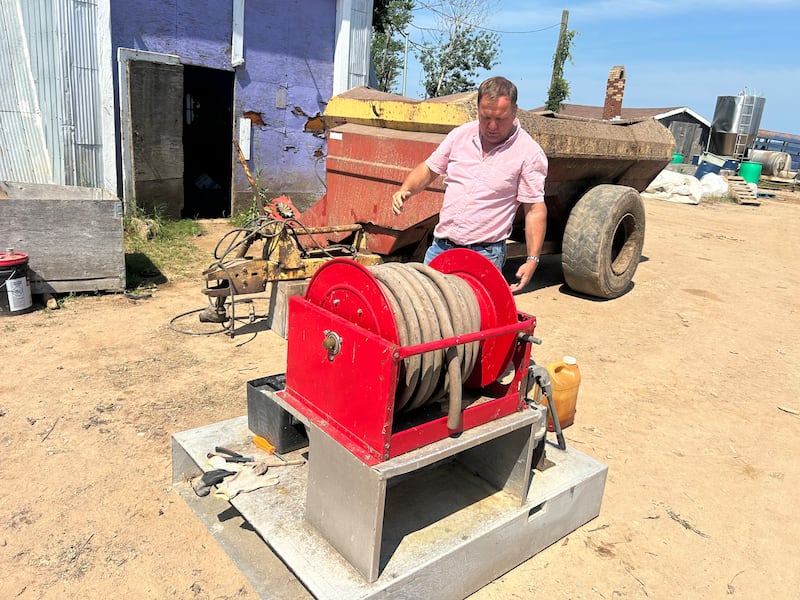
“It really helps our peaches and cherries,” said Oulton, who called the micro-sprinkling systems user-friendly to deploy compared to the massive water hoses he used last year. “This is more efficient use of water, fuel and time.”
These days Oulton is watching the forecast daily.
“We are all getting ready,” he said.
Oulton’s hope is for rain, but not too much, although he said he stays prepared for another possible drought that could damage his crops for the second summer in a row.

