HAMILTON, Ont. – From the comfort of their backyard in Halifax, Bonnie and Perry Horne know all too well the danger of ticks.
“They thought that he wasn’t going to make it out of the ICU,” said Bonnie.
Her husband, Perry has always taken their dogs for long walks along a nature trail in Halifax, though back in July 2022, Perry’s health began deteriorating quickly.
“He had a high, high fever. So much so that the bed was shaking,” recalled Bonnie.
The couple were sent home after two visits to Dartmouth General Hospital, doctors initially though he might have contracted COVID-19.
“After my second hospital visit, I woke up the next morning and my fingers were purple,” said Perry who didn’t know his “heart and kidneys were failing.”
“By noon the next day the doctor was rushing him to the ICU because he wasn’t getting any better and he had no idea what was going on,” recalled Bonnie.
It was there, in the ICU at Dartmouth General Hospital, that Horne was diagnosed with a disease called anaplasmosis. He spent roughly a week in the ICU and when he was released Bonnie says the nurses admitted that they didn’t think he was going to make it.
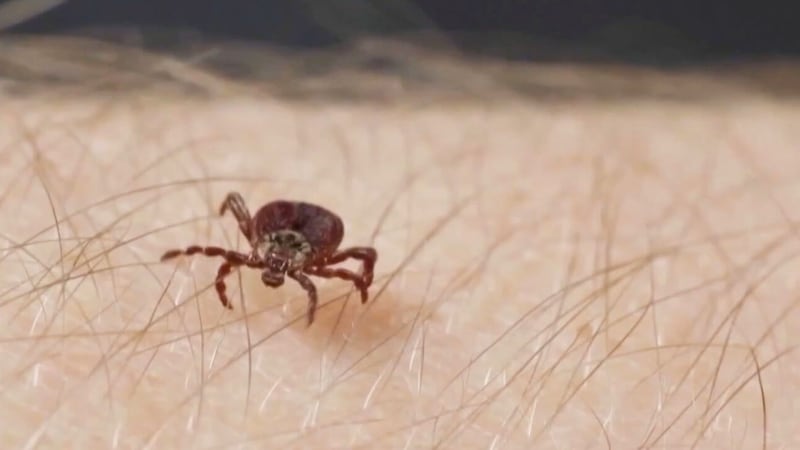
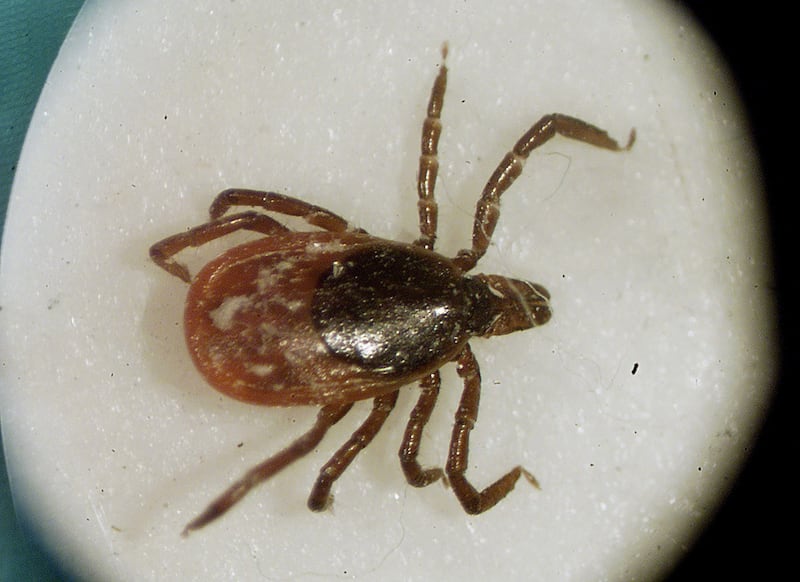
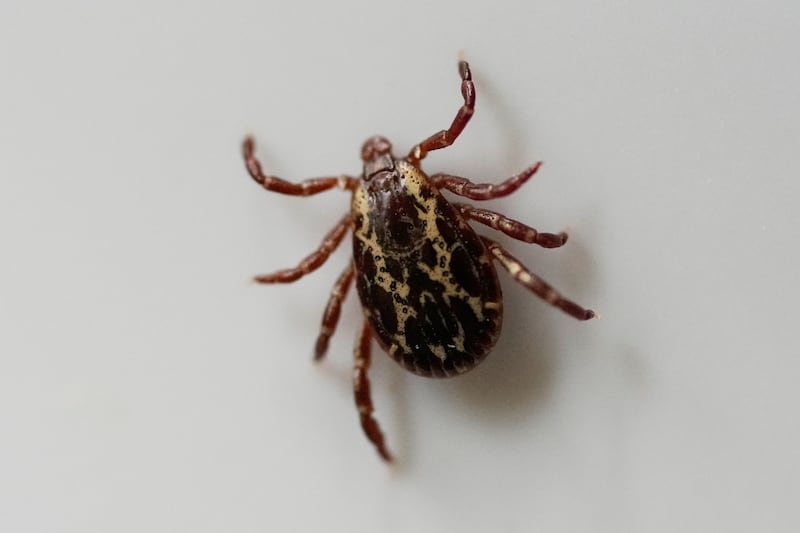
Blacklegged ticks are known to carry the bacteria linked to Lyme disease and are now also transmitting naplasmosis. The tiny arachnids have been expanding their geographic footprint, driven in part by milder winters.
A recent Canadian Medical Journal report highlighted that “anaplasmosis is the second most common tick-borne disease in Canada, with rapidly rising incidence owing to the expanding geographic distribution of Ixodes scapularis,” also known as deer or blacklegged ticks.
The report also shares that anaplasmosis can include “myocarditis, encephalitis, acute respiratory distress syndrome, and acute renal failure.”
While rare, anaplasmosis can also be fatal. “There have unfortunately been three of four deaths related to anaplasmosis in the province of Ontario in the last 1 to 2 years,” shared Michael Quon, an internal medicine doctor at Ottawa Hospital.
The most recent national data shows that there were roughly 5,800 reported cases of tick-borne illness in Canada in 2024. More than 2300 of those cases were found in each of Ontario and Nova Scotia with more than 830 reported in Quebec.
Though current case counts that include anaplasmosis are now believed to be even higher. “When I was in hospital in the summer of 2022, the doctor that looked after me said that I was possibly the first case in Nova Scotia at the time,” said Perry.
Fast forward four years and anaplasmosis is now the second most common tick-borne illness in Canada. The Hornes are sharing their story to spread awareness across the country.
“If I didn’t keep going back to the emergency room, I might not be here today to share this story,” said Perry.
“I never want another family to go through what we went through,” said Bonnie, adding “I had no idea if my husband was coming out of (the) ICU alive.”
Experts say symptoms can include fever, weakness, headache and gastrointestinal distress.
Recognizing the disease early and getting treatment can prevent “life-threatening complications,” according to the Canadian Medical Journal report.
The current treatment recommended is 100 mg of oral doxycycline taken twice a day for 10 to 14 days, according to researchers. Patients typically improve within 24 to 48 hours of treatment, they added, but if there is no change, health-care providers should consider “alternative diagnoses.”
Patients should consult infectious disease specialists about alternative antibiotics if they are pregnant or have life-threatening allergies to doxycycline, they added.
There is currently no vaccine to prevent anaplasmosis.
Experts say patients may be more vulnerable to ticks if they have close contact with deer or pets, or haven’t used preventive measures such as DEET and protective clothing.
“Everyone needs to check themselves and their children for ticks after going out into nature,” said Bonnie, who also shared this message with Canadians. “If you have any of these symptoms, go right to your local hospital. Had I not gone back a third time and advocated for my husband his organs would have shut down, and he wouldn’t be with me today.”
With files from CTV News’ Christl Dabu

