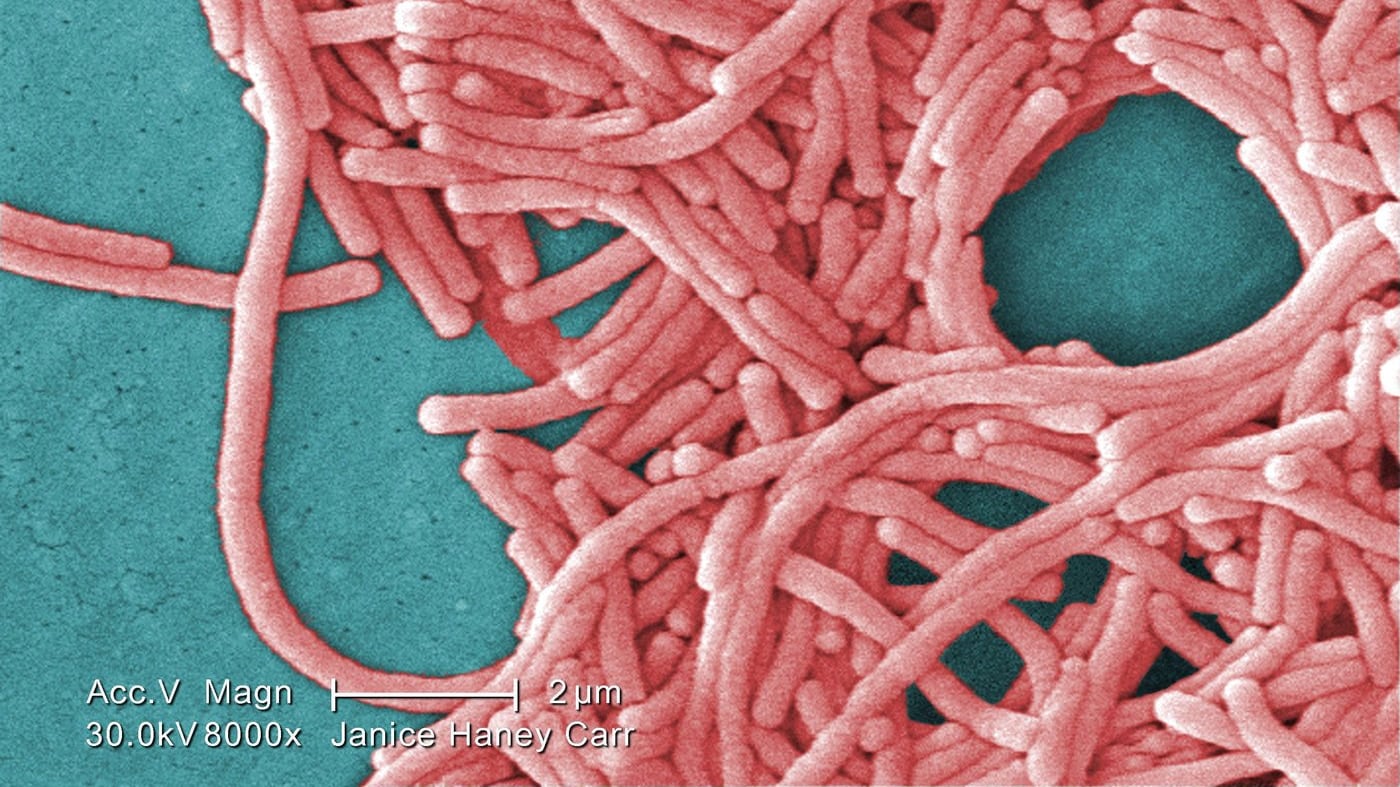
The public health unit for the Outaouais region of Quebec says it is investigating an unusually high number of cases of Legionnaires’ disease, linked to the Aylmer sector of Gatineau.
Santé Québec Outaouais said in a news release on Wednesday that nine cases were reported between June 19 and July 13, all involving people who live in or who had visited Aylmer. The affected individuals are between 25 and 74 years old.
The health unit says this number is unusual for the region. The Outaouais typically sees between six and eight cases per year, it said.
“While it is not yet possible to precisely identify the sources of contamination, several potential environmental sources are being investigated,” Santé Québec Outaouais said, translated from French.
“The water cooling towers in the Aylmer sector, registered with the Régie du bâtiment du Québec (RBQ), have been inspected and decontaminated.”
The health unit is asking anyone experiencing symptoms consistent with Legionnaires’ disease who has been in the Aylmer area within the two weeks prior to their onset is encouraged to contact Info-Santé 811 or consult a healthcare professional.
Symptoms of Legionnaires’ disease
According to Santé Québec Outaouais, symptoms of Legionnaires’ disease include:
- High fever
- Chills
- Cough
- Fatigue
- Headache
- Muscle aches
- Chest pain
- Loss of appetite
Some people may also experience nausea, diarrhea, or confusion, Santé Québec Outaouais says. Most healthy people recover quickly, but 10 to 15 per cent of cases can develop into a severe form.
Laboratory tests are needed to confirm the diagnosis.
The people who are most at risk of severe complications include people 50 and older, smokers, people with chronic respiratory, heart or kidney disease, people who are diabetic, and people with a weakened immune system.
Legionnaires’ disease is caused by inhaling fine droplets of water containing the legionella bacteria. It is not transmitted from person to person and cannot be contracted by drinking contaminated water.
Santé Québec Outaouais says to limit the spread of the bacteria:
- Keep your water heater at 60 C and ensure that a scalding device is installed on your shower and bath faucets;
- Run the hot water for a few minutes after a prolonged absence or when the water heater has not been used for several days;
- Regularly maintain, clean, descale, and disinfect devices that may produce fine water droplets, such as showerheads, whirlpool baths, spas, humidifiers, and some respiratory therapy devices, according to the manufacturer’s recommendations.

