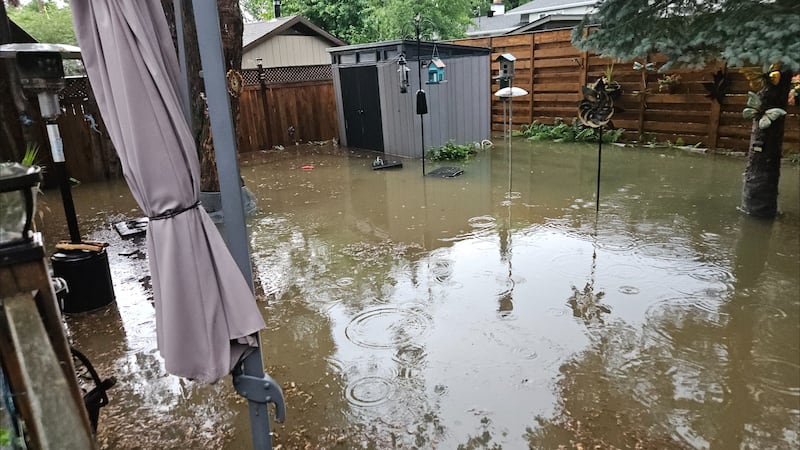
OTTAWA – Two weeks after heavy rains in Ottawa caused drains to back up in thousands of Ottawa homes, residents continue to assess and add up the costs of damages.
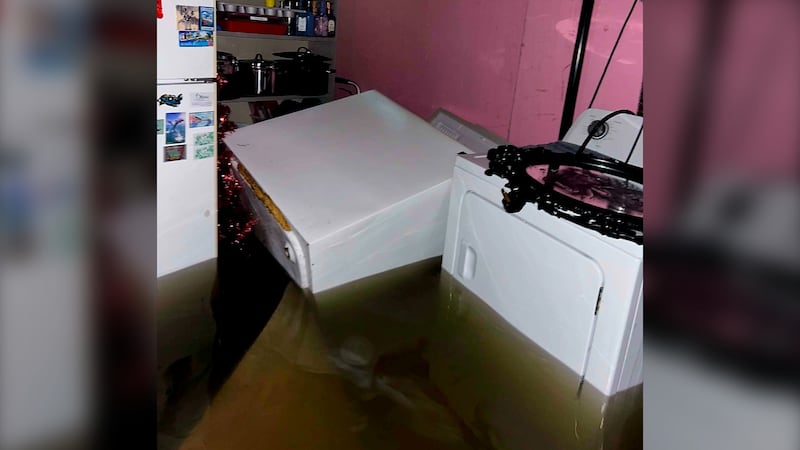
Paul Maloney watched water rise in his basement until it got up to his mid-thigh and his washer and dryer set started to float
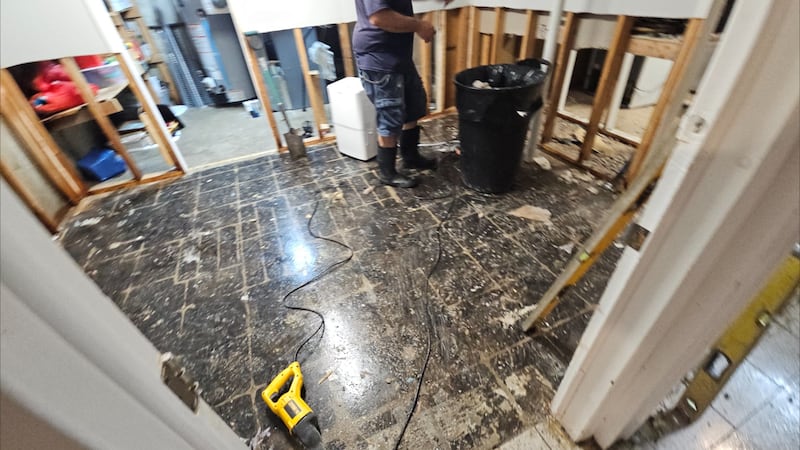
The damage forced Maloney to get a new furnace, water heater and air conditioner, which he says cost him around $15,000, adding that number doesn’t include the costs of ripping up all the carpets and cutting off three feet of drywall.
However, Maloney says his insurance company won’t cover any of the damages because he’s had two other flooding claims in the last few years.
“I went upstairs, laid on the bed, and I’m like, ‘OK, what’s the next step?’” Maloney said, describing the moment his insurer informed him the claim would be denied. “It just, it was a gut punch. It hollowed me out.”
With extreme weather becoming a more common occurrence, it’s increasingly more difficult for some to get protection against sudden natural disasters. Maloney’s policy didn’t cover overland flooding or drain backup because of the two recent claims.
“An insurance company might say, ‘We’re not going to offer that coverage anymore, because it makes no sense for an insurance company to pay tens of thousands of dollars every year, or every couple of years, for the same thing,’” said Anne Marie Thomas, director of consumer and industry relations with the Insurance Bureau of Canada.
Thomas says from an insurance company’s perspective, an event is no longer sudden or a surprise if a particular area floods every spring, or if it has flooded twice in the last five years. She adds that insurance companies are not the solution to the issue.
“We need better land-use planning,” said Thomas “We need all levels of government, all working together. We’re trying to do our best, but we’re only a small part of a big issue.”
With severe weather getting more frequent, a June report from Statistics Canada shows the pressure Canadian insurers face, forcing them to push premiums higher. Homeowners’ home and mortgage insurance premiums increased 45 per cent between December 2019 and December 2025, driven by an increase in claims for property and casualty insurance. The study found that’s more than double the 21-per-cent increase in the all-item Consumer Price Index in the same period.
Catastrophic claims record
StatCan also found that catastrophic claims in Canada hit a new record in 2024, reaching $8.6 billion that year. The figure eclipsed the record set in 2016 of $6.2 billion.
Extreme weather, worsened by climate change, drove the spike in these claims, according to the study.
The study noted the following four major catastrophic events happened in the third quarter of 2024: the Calgary hailstorm ($3 billion), the Jasper wildfire ($1.1 billion), Quebec flooding ($2.7 billion) and Ontario flooding ($990 million).
Since the tracking of data began in 1983, each year from 2020 to 2025 ranked among the “top 10 costliest years” for extreme weather claims, according StatCan.
With files from CTV News’ Christl Dabu

