


OTTAWA – U.S. President Donald Trump is imposing a new 50 per cent tariff on some Canadian goods, including wine, hockey sticks and cement, for what his administration is characterizing as discriminatory trade policies after signing a new executive order on Monday.
Specifically, the U.S. is taking issue with provincial bans on U.S. alcohol, supply management on dairy and certain tariffs and quotas on cars imported to Canada from the U.S., according to three proclamations released by Trump.
In a background briefing with reporters on Monday, a senior administration official said the president is using Section 338 of the Tariff Act of 1930, which is an emergency trade authority that empowers the U.S. president to impose additional duties of up to 50 per cent on countries that discriminate against U.S. commerce.
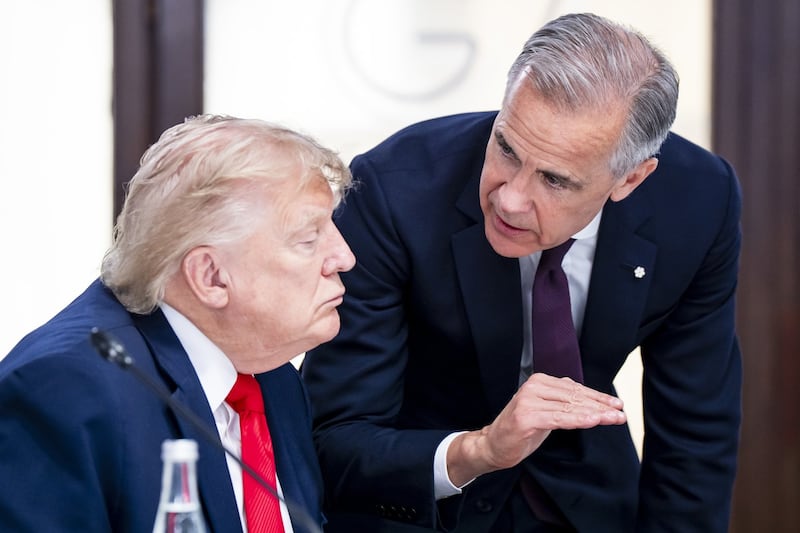
The official also said Section 338 “has not been used for this purpose before,” with the tariffs expected to come into effect on Aug. 19.
The Section 338 tariffs “apply to all covered goods,” regardless of if it originated under the Canada-United States-Mexico Agreement (CUSMA), the official added.
The tariffs, however, will not apply to “energy, potash, products subject to tariffs under (section) 232 and certain other goods, such as fish or critical minerals.” Tariffs under section 232 refer to steel and aluminum.
In a statement on Monday, U.S. Trade Representative Ambassador Jamieson Greer pointed to Canada retaliating “unlike other partners and allies.”
“Today, President Trump took decisive action to hold Canada accountable for its retaliation and discrimination, delivering on his promise to correct trade imbalances and ensure fairness for American workers, farmers, and businesses,” Greer said.
Prime Minister Mark Carney issued his own statement late Monday, defending Canada’s tariff actions against U.S. trade policies.
“More broadly, in response to these measures and threats to Canadian sovereignty, provinces, territories, and Canadians from coast to coast to coast have stood together, taking the necessary actions to support our economy and defend our workers, farmers, businesses, and families,” Carney said.
What Canadian goods will be tariffed?
The White House published three separate lists of Canadian products that will face the new 50 per cent tariff in 30 days.
With most provinces in Canada, excluding Alberta and Saskatchewan, currently banning U.S. alcohol on store shelves, the Trump administration now says it will retaliate against a wide range of alcohol products, such as beer made from malt and sparkling wine, as well as some wood items.
Ontario Premier Doug Ford, who has been a staunch supporter of the alcohol ban, says he will “never stop fighting to protect Ontario.”
“If these tariffs proceed, Canada should respond tariff for tariff, dollar for dollar,” Ford said in a post to X on Monday.
Quebec Premier Christine Fréchette also called Trump’s new tariffs “unjustified” in a statement.
Trump, meanwhile, has long pushed back against Canada’s supply management system, which co-ordinates production and maintains import controls for dairy, poultry and eggs to set stable prices for both farmers and consumers.
In response, the U.S. says it will now impose new tariffs on a variety of dairy products, some blended syrup and molasses products and non-alcoholic beer.
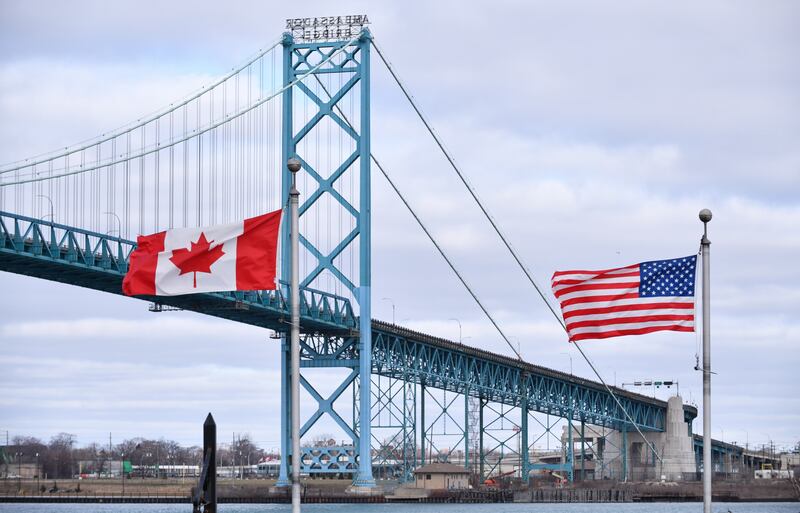
Federal government officials have previously said concessions to supply management are not on the table when it comes to trade negotiations.
The U.S. is also retaliating against Canada’s 25 per cent tariff on all U.S.-made vehicles entering Canada that are non-compliant with CUSMA, which came into effect in April 2025. Those tariffs were in response to the Americans imposing a global 25 per cent tariff on automobiles and key auto parts imported into the U.S.
Now, the Trump administration says it will impose those new 50 per cent levies on items like plywood, golf equipment, ice skates, video game consoles, clothing and even toilet paper.
In Monday’s background briefing, the senior administration official insisted the new measures are “not a trade war with Canada.”
“These are defensive measures by the United States taken to remedy discriminatory actions by Canada,” the official said.
When asked what it would take to get the new tariffs dropped, the official said the U.S. is “taking this one step at a time.”
Will there be wildfire tariffs?
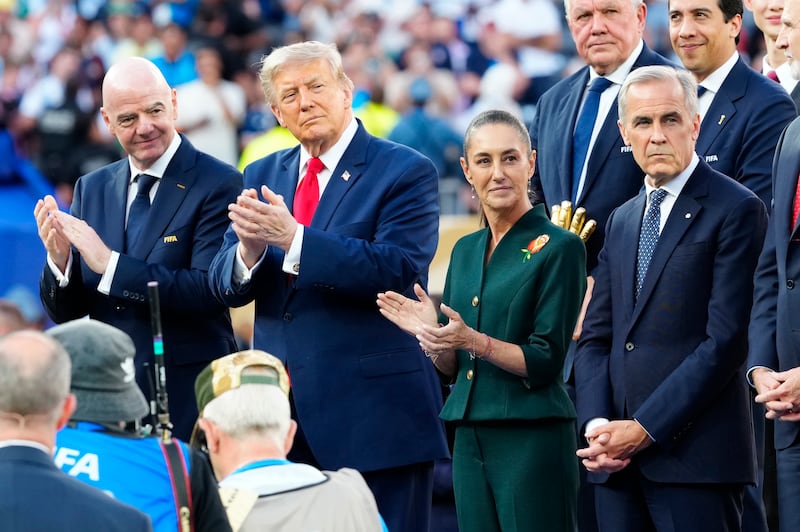
Last week, Trump threatened to impose additional tariffs on Canada over wildfire smoke coming into the U.S. and on Sunday, he said he spoke to Carney about the issue while the two were in attendance for the 2026 FIFA men’s World Cup final in East Rutherford, N.J.
“I told him, I mean, ‘You got to stop these fires from coming in and, you know, poisoning our air. Our air has been poisoned,’” Trump said at Joint Base Andrews in Maryland after the game.
Speaking to reporters, the U.S. official confirmed that Trump has “asked for options” when it comes to wildfire-related tariffs and “options are being shared with him.”
‘Substantive discussions’ happening with Canada: U.S. official
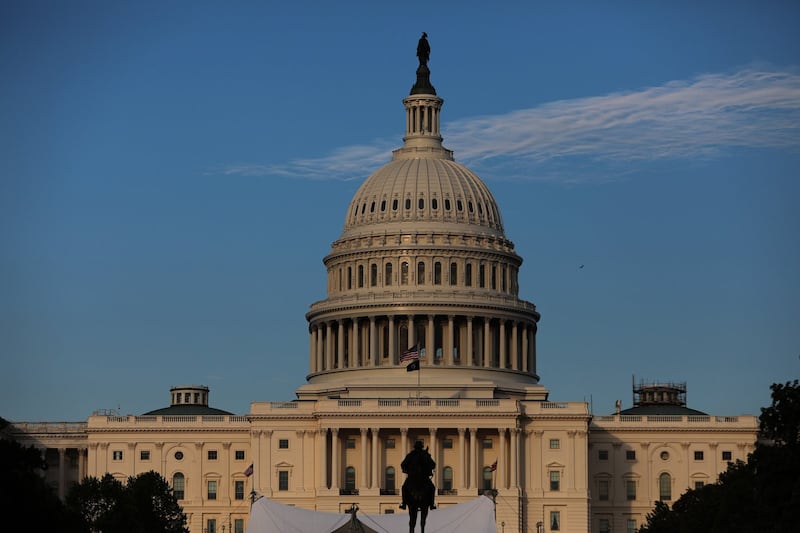
The latest tariffs come amid stalled negotiations between Canada and the U.S. over changes to CUSMA.
The U.S. is set to head into a third round of CUSMA review talks with Mexico this week. Formal negotiations between Canada and the U.S., however, have yet to begin.
Asked in Monday’s briefing if any negotiations are happening at all, the American official said they are having “frequent conversations” with their Canadian counterparts and characterized the talks as “substantive discussions.”
“That being said, we’re not in a formal negotiating stage at this point. I don’t have a timeline for that. My expectation is that we’ll continue to work with our Canadian trading partners,” the U.S. official said.
In his statement, Carney said “Canada has made a series of detailed and comprehensive proposals to resolve this dispute and to modernize CUSMA” over the past 18 months.
“We stand ready to intensify those discussions in the coming weeks,” the prime minister added.
Back on July 1, the trilateral trade deal between Canada, the United States and Mexico entered an annual review process after the Trump administration opted not to extend the agreement.
Both Canada and Mexico, meanwhile, had indicated their desire to renew CUSMA for a 16-year period.
Canada and the U.S. have been in a trade war after Trump first imposed sweeping tariffs on Canadian imports in February 2025.

