Saskatoon has planted two food forests that will give the public access to fresh produce in the next two years.
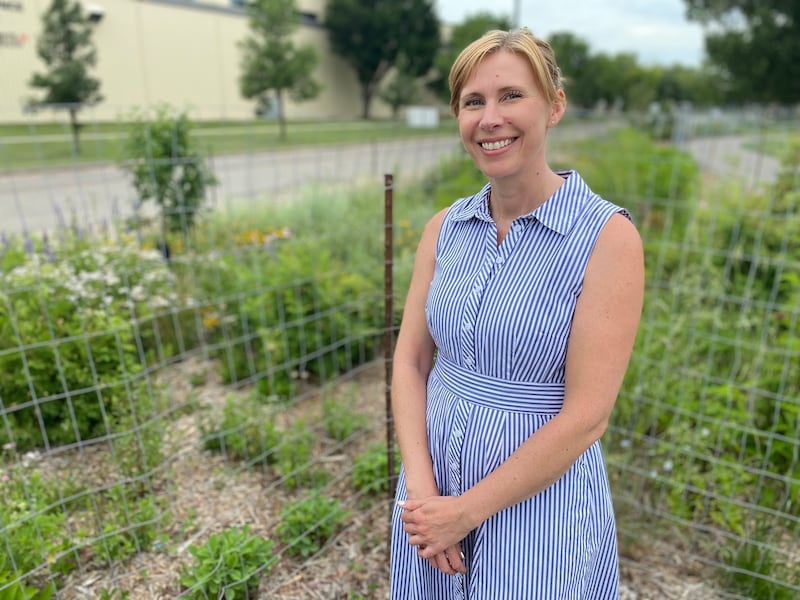
“It will be a bit of an experiment,” said Shannon Dyck, a sustainability specialist with the city. “This is relatively new for us, but we will keep an eye on it and see how it grows.”
The forests, which bear more than a dozen different types of fruits, vegetables and herbs, are located in low-income neighbourhoods that lack access to nearby grocery stores.
“We know the two food forests cannot solve the full issue of food insecurity, but we hope that they can contribute to the solution and show some examples of what is possible,” Dyck told CTV News.
The city researched which fruits and vegetables would grow best in Saskatoon’s climate.
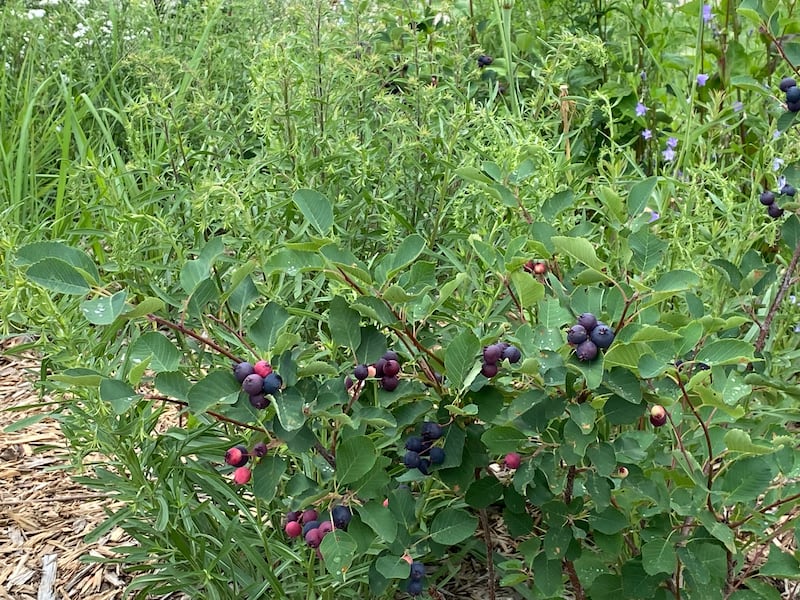
Planted inside the forests are common foods like strawberries, raspberries, Saskatoon berries, haskaps, apples, rhubarb and asparagus. The city is also experimenting with less-commonly grown fruits like apricots and pears.
“We asked what people would want to pick and would want to eat,” Dyck said about public engagement. “Based on that feedback, we have chosen these species.”
Inflation has driven up the cost of fresh fruits and vegetables, items that are not always available inside the Saskatoon Food Bank.
Laurie O’Connor, executive director of the Saskatoon Food Bank and Learning Centre, said the forests will help break down barriers for people in need of fresh produce.
“The whole idea of making food accessible to the public is amazing,” she told CTV News.
The forests will also help improve food literacy, she added.
“I think that folks in the community having an opportunity to learn about how food grows and then to be able to also access that food is really important,” O’Connor said.
Food bank usage continues to rise in Saskatoon. Last year, 95,442 food hampers were distributed to the community compared to 63,166 hampers in 2022.
O’Connor says the food forests will not impact the number of people turning to the food bank for help.
“Folks will not be able to get enough food from a food forest to change how they access food here at the food bank,” she said.
“If you are experiencing income insecurity, you are definitely going to be turning to a food bank and you might also visit the food forest.”
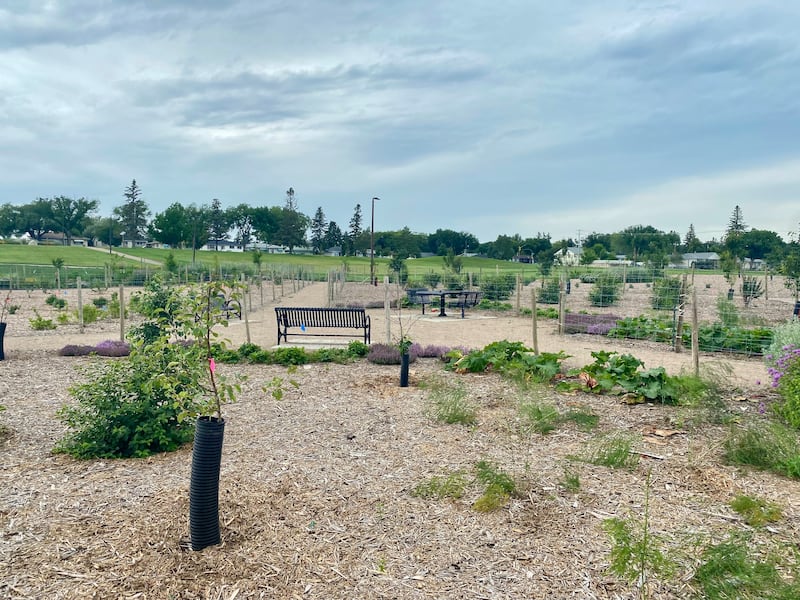
The food forests are located at Boughton Park and Leif Erickson Park in the city’s west side.
Fences are set up around the plants to protect them for the next two seasons.
“We just want to make sure these plants have the best chance of success,” Dyck said. “This is to give them an opportunity to grow and become more robust.”
The fences will come down and the public will gain access to the food forests in the spring of 2028.
If the forests are successful, Dyck said the city may consider planting others in different neighbourhood.

