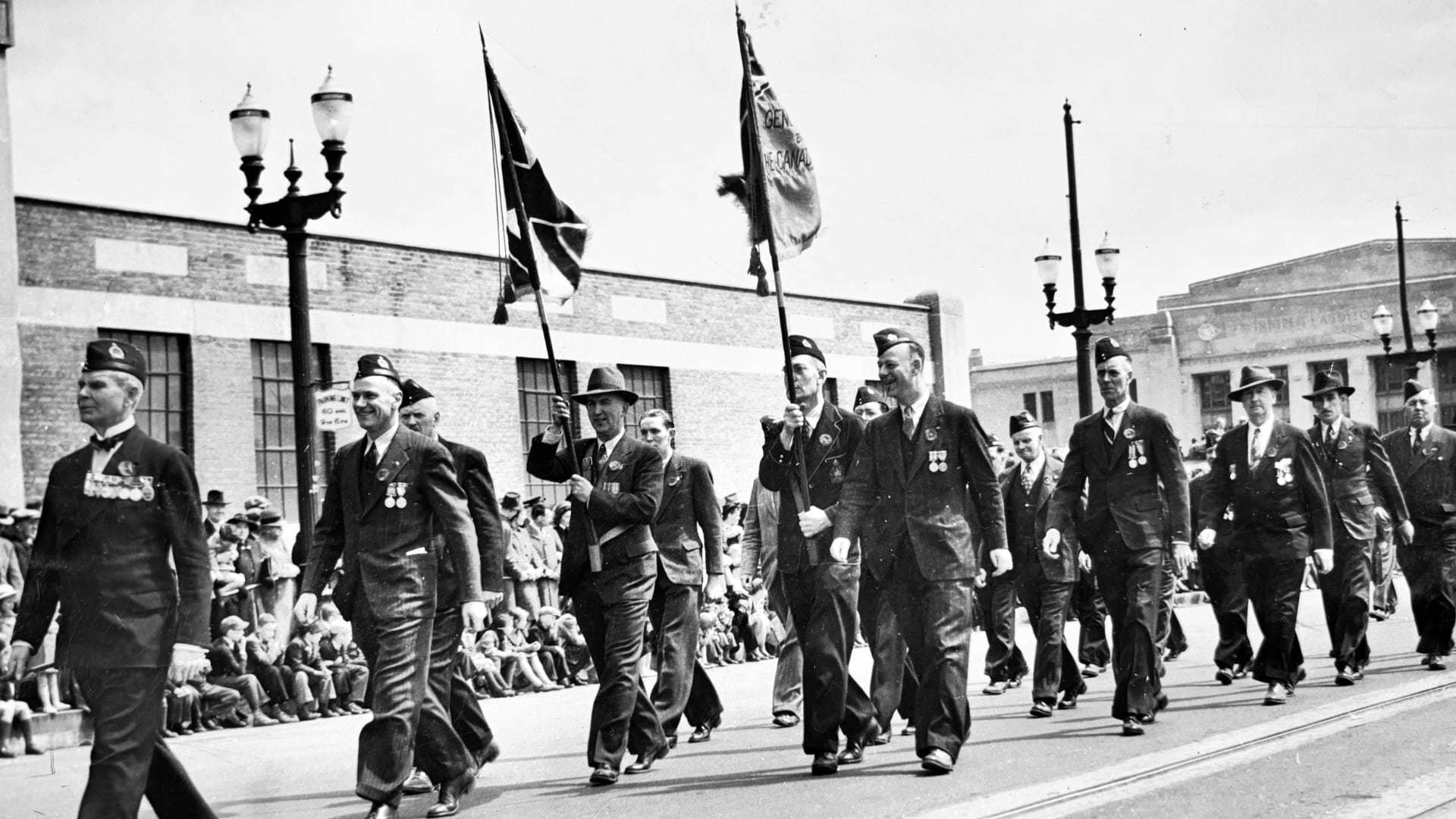
Stroll through downtown Winnipeg and history is abundant—plaques adorning the exteriors of buildings, markers on street corners, and even inscriptions embedded in sidewalks. What is less obvious to a passerby, however, is that one hotel—its doors now shuttered—was the birthplace of an organization that gave Canada’s veterans a single, united voice.
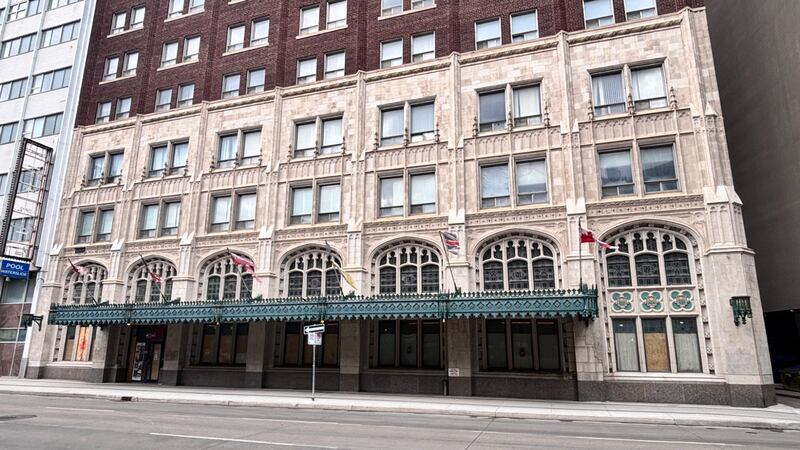
In late November 1925, representatives from veterans’ organizations across the country gathered at the Marlborough Hotel on Smith Street and gave rise to the forerunner of today’s Royal Canadian Legion.
“It was the great beginning of what became a unified voice and what still is a unified voice,” said Nujma Bond, spokesperson for the Royal Canadian Legion’s national headquarters, speaking from Ottawa.
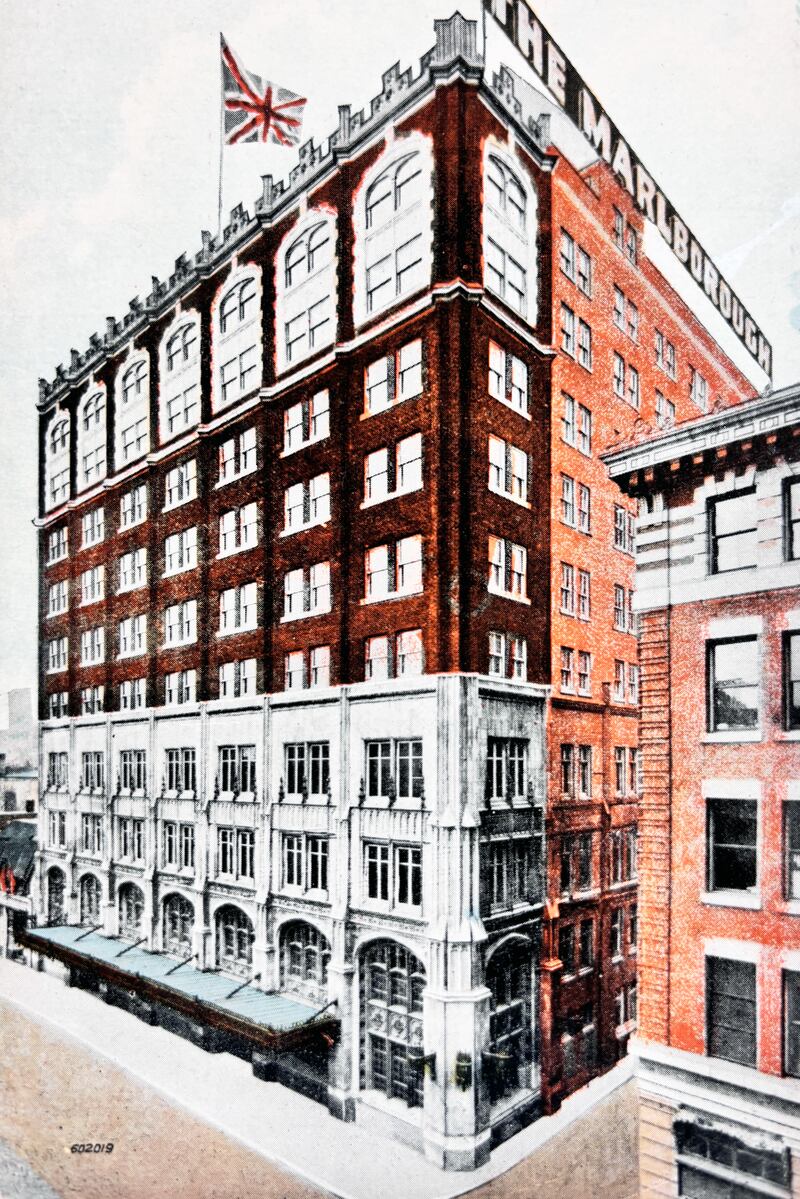
A city spokesperson says the eighth-floor ballroom is believed to be where delegates convened for the founding meeting.
The hotel opened in November 1914 as a three-storey building known as the Olympia Hotel, according to a report from the City of Winnipeg’s historical buildings committee. In 1921, six floors were added—bringing it to its current height—followed by further additions to the north, the report says.
Roots in the First World War
The gathering’s roots trace back to the First World War, when more than 650,000 Canadians and Newfoundlanders served in uniform.
By 1915, wounded and disabled veterans had begun returning home—many having lost limbs or suffering other service-related injuries, such as shell shock, according to the Legion.
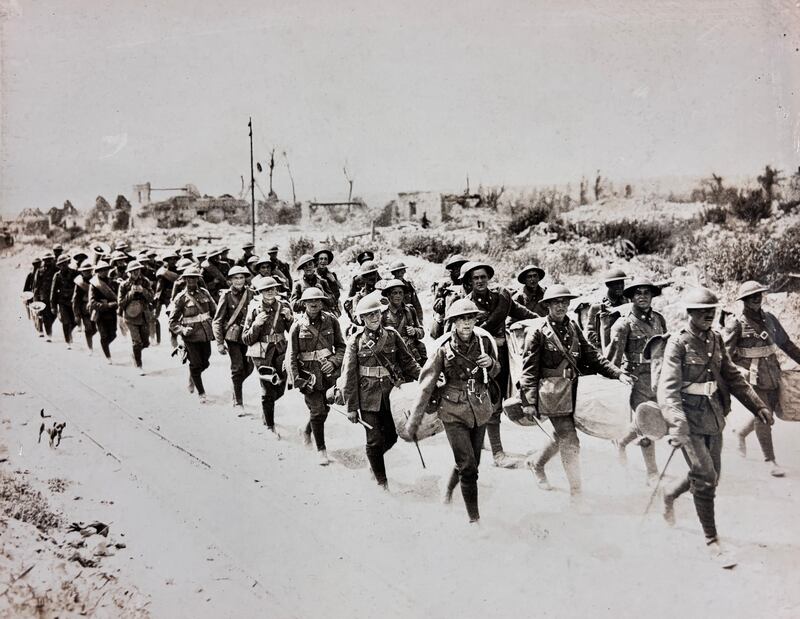
Thousands of returning veterans faced serious challenges reintegrating into civilian life, requiring medical treatment, financial assistance, pensions and help finding work, said Cohen Rutledge, provincial executive director for the Royal Canadian Legion’s Manitoba and Northwest Ontario Command.
“At the time, government support was limited and Canada did not yet have a comprehensive system for caring for its veterans,” Rutledge said in an emailed statement.
Veterans responded by forming their own associations, such as the Amputation Association of the Great War and the Tuberculous Veterans’ Association, along with many others organized by regiment or region, Rutledge said.
Between 1917 and 1925, roughly 14 or 15 national veterans’ organizations had emerged, he said. The largest, the Great War Veterans’ Association, advocated for pensions, medical care, land settlement and other support.
Push for unification
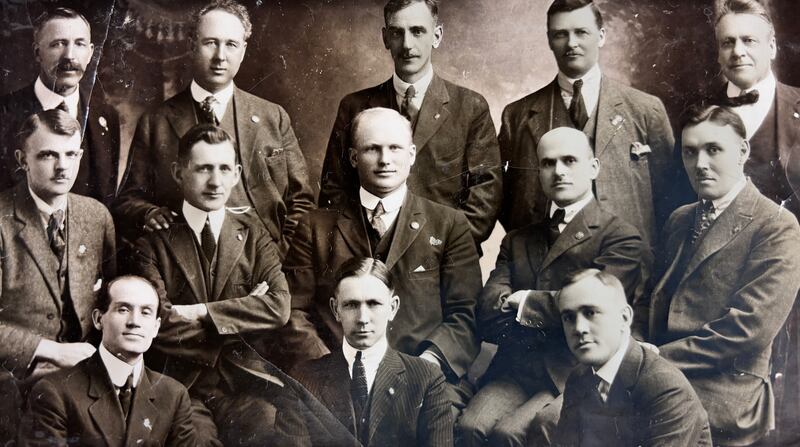
“Although these organizations were working toward similar goals, their efforts were divided. Veterans did not yet have a single national organization capable of speaking collectively to the federal government,” Rutledge said.
“The push for unification grew from the recognition that a coordinated national voice would be more effective in securing proper care, benefits and recognition for veterans.”
By the war’s end in 1918, more than 66,000 Canadians and Newfoundlanders had died and more than 172,000 had been wounded, according to the federal government.
One key figure in the unification effort, Rutledge said, was Field Marshal Earl Haig, a senior British Army officer who helped found the British Legion.
“Having seen the effectiveness of unified veteran advocacy in Britain… Haig began encouraging Canadian veterans to consolidate their efforts as early as 1921,” Rutledge said.
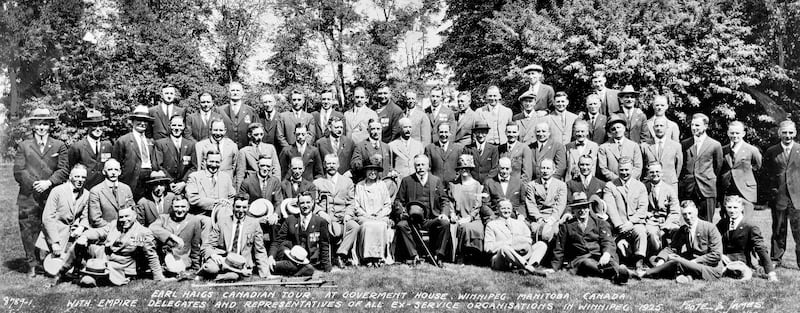
“He promoted improved allowances for disabled veterans and gratuities for those who had served, while emphasizing that these objectives could be advanced more effectively through collective action.”
The movement gained “considerable momentum” in June 1925, Rutledge said, when Haig addressed more than 3,000 former service members at the Great War Veterans’ Association’s national convention in Ottawa, urging Canada’s veterans’ organizations to unite under one national body.
Victoria Cross recipient Lt-Gen. Sir Richard Turner, acting as Haig’s trustee in Canada, then appointed provincial trustees and brought representatives of the main veterans’ organizations together — leading directly to the National Unity Conference in Winnipeg, Rutledge said.
Assembling in Winnipeg
From Nov. 25 to 27, 1925, representatives of 10 veterans’ organizations and roughly 50 independent regimental societies and clubs met at the Marlborough Hotel for the conference.
There, they agreed to form the Canadian Legion of the British Empire Service League, which later became the Royal Canadian Legion.
More than 160 branches were established across the country within its first year, according to the Legion. On July 17, 1926, the organization was formally incorporated by a special Act of Parliament—a date now marked as the Legion’s official anniversary.
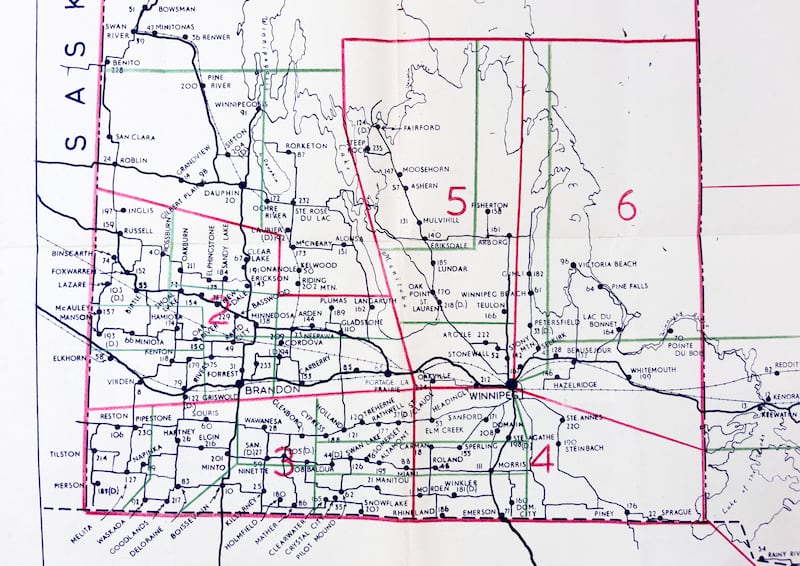
Rutledge said the organization was founded on three principal objectives: caring for war-disabled veterans, their dependents and others in need; preserving the public memory of Canadians’ sacrifices in the cause of world peace; and promoting a greater sense of national consciousness.
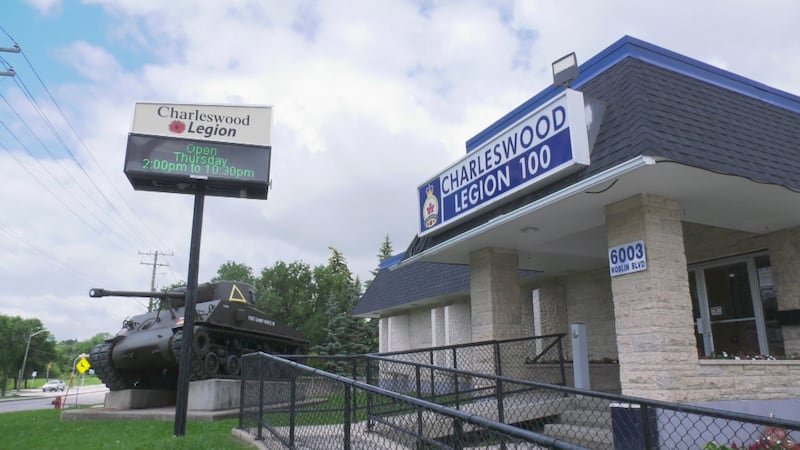
Today, the Legion has 1,350 branches across the country—including branches in the U.S., the Netherlands and Germany—with about 300,000 members, Bond said. That includes roughly 100 branches in Manitoba, home to some 24,000 members, according to the Manitoba and Northwestern Ontario Provincial Command.
“We have a very vast footprint in this country,” Bond said, noting branches also serve as community hubs. “It’s a place not only to help veterans and their families, but also to come to enjoy camaraderie and also to join forces again to help local communities.”
As for why the Marlborough Hotel in particular was chosen for the conference, Rutledge said the Legion’s historical records don’t point to a definitive reason. He noted, however, that the hotel had an established military connection, having served as barracks for Winnipeg’s 184th Battalion during the First World War.
In 2010, a plaque marking the Legion’s founding was unveiled during a ceremony hosted by the Historic Sites and Monuments Board of Canada at the hotel. It credits the organization with pushing for the War Veterans Allowance Act and veterans’ charters, as well as the creation of the Department of Veterans Affairs and the Veterans Independence Program.
A new chapter for the Marlborough Hotel
In January 2024, the hotel—protected under the city’s Historical Resources By-law—closed its doors to the public for the last time. Plans are now in place to convert it into housing.
In March, city council approved up to $5 million in funding, routed through CentreVenture, for a Heritage Residential Conversion Grant to redevelop the building, provided the project meets certain conditions, including securing a full building permit by November 2026.
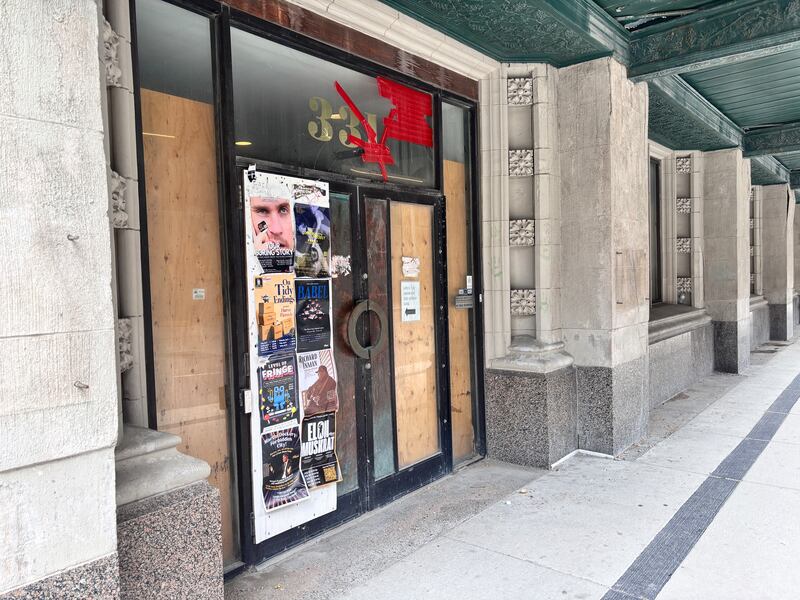
The plan calls for converting the building into 307 housing units, 40 of them affordable, and will be equipped with bars, restaurants and a sky-view banquet hall, according to the approved council report.
Construction is expected to begin in the next few months, said Rochelle Squires, CEO of CentreVenture Development Corporation, adding that the developer is still in the preliminary design stages. While official timelines haven’t been set, she said a project of this nature typically takes about two years.
The commemorative plaque will stay in the same area, with space set aside for the Legion “for commemoration and reflection,” Squires said. “The owner is committed to honouring the Royal Canadian Legion’s history and founding within the hotel.”
The eighth-floor ballroom, meanwhile, is expected to remain in use for conferences and meetings, Squires said.
“The ballrooms will be refurbished — including the original historic room, along with the larger ‘skyview’ ballroom,” Squires said.
More than a century after its founding in Winnipeg, Bond said, the Legion continues to lead remembrance efforts across the country.
“It’s also a means for this country to maintain the important act of remembrance. The Legion leads many, many remembrance ceremonies across the country every year, not only on November 11th, but at other times of the year,” she said.
Looking a century ahead, Bond points to the Legion’s membership and a new wave of volunteers as reasons for her confidence, even as the organization works to modernize.
“As long as the Legion’s work is needed, we are very confident that it will have a place in Canada and going into the next century,” she said.
“We really see an exciting future ahead, and it may look different than it does today, as the decades go by. But we’re heading into it with a lot of positivity, and we’re looking forward to it.”

