HUNTER RIVER, P.E.I. - Higher diesel prices are cutting into farm profits on P.E.I., and grocers warn the added costs could drive up how much Canadians pay for food.
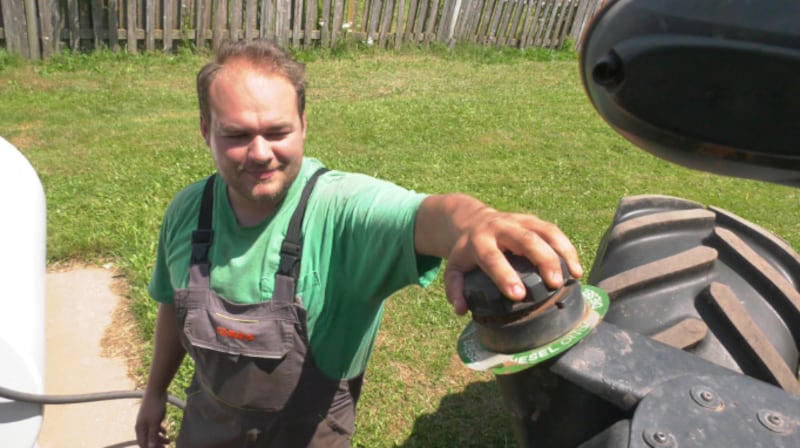
In Hunter River, dairy farmer Daniel Hagmann relies on diesel to keep his tractors moving, his 120 cows fed and their milk headed to market. His annual fuel bill is already in the tens of thousands of dollars and is only getting bigger.
“That’s profit lost,” said Hagmann, who also chairs the Dairy Farmers of P.E.I. board. “It’s just money taken out of our pockets at the end of the day.”
Diesel prices on P.E.I. have eased from their spring peak, but climbed again Friday to about $2.44 a litre. That’s roughly 17 cents above the national average, according to data from Kalibrate.
Hagmann said many farmers didn’t anticipate the surge or factor it into their cash-flow projections at the start of the year. For now, they’re “taking the hit” and absorbing the added costs, but he said that won’t be sustainable for long.
They’re facing other pressures: contractors hired to cut grass and harvest forage are charging more as diesel prices rise, while higher equipment and propane expenses are driving up the price of feed.
“We have to pass that increase on, so it just keeps going down the chain,” Hagmann said.
The impact won’t be limited to dairy products, said Gary Sands, senior vice-president of the Canadian Federation of Independent Grocers.
“We’re absolutely going to be seeing the impact of rising diesel prices on the shelves of grocery stores, and that’s just inevitable,” Sands said.
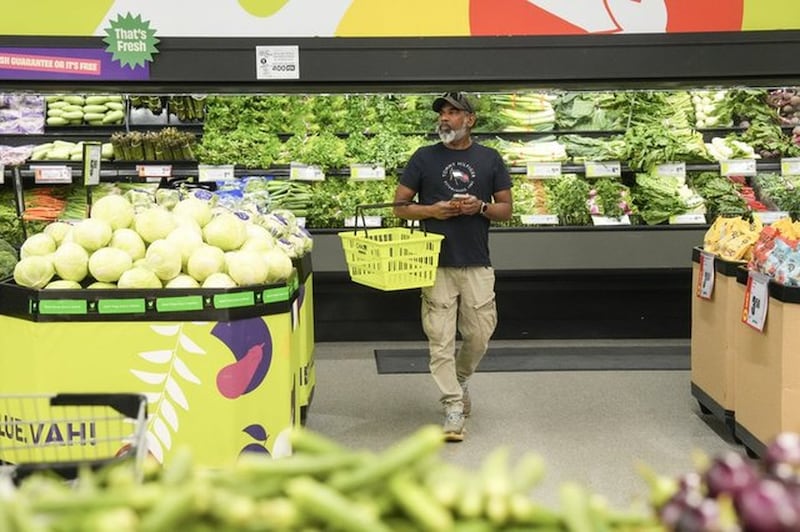
Food that travels long distances, is imported or requires cold storage is likely to be hit first.
“Everything from fresh fruits and vegetables to meat (and) dairy products ... are most vulnerable to these kinds of rising costs,” he said.
The effects also won’t be felt equally across the country.
Sands said northern, rural and remote communities could face greater increases because transporting and distributing food already costs more in those areas.
While some of those added expenses could reach retailers within weeks, others may take months to appear, Sands said, depending on how long a product takes to move from a farm or processor to a store.
He also welcomed Ottawa’s new food-security strategy, which includes funding for more food terminals and regional hubs. He said the projects could eventually reduce transportation costs, though they won’t make grocery prices fall overnight.
Eligible P.E.I. farmers can buy tax-exempt marked diesel for authorized uses, but higher fuel prices still affect their operations.
Hagmann said it’s not clear exactly when farmers may need to pass more of their costs on, but it could happen before the end of the year. The next few months will show whether the worst has passed or costs keep climbing.
“It cuts the bottom line for us,” he said. “So really, we hope to see an end soon.”

