Gamblers are going to gamble, under the table or over it, so Alberta is going to get gambling websites to pay to put problem gamblers through recovery.
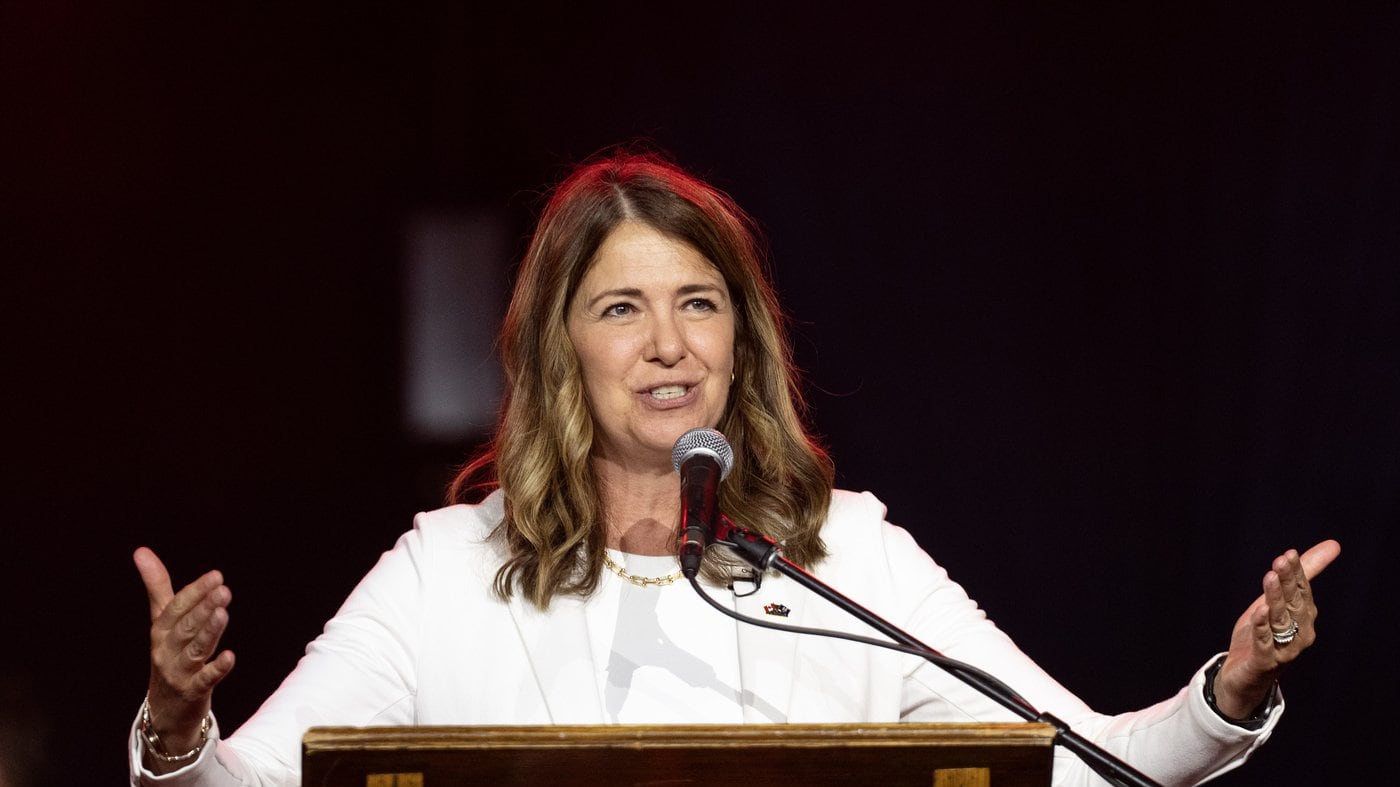
On her Saturday radio program, Your Province, Your Premier, Alberta Premier Danielle Smith addressed the avalanche of gambling ads that are on websites and sporting events since the province changed its laws to permit privately-owned online betting websites to operate legally in the province.
Basically, the same websites were accessible -- and unregulated -- prior to the July 13 law change so Smith’s government figured they might as well let them operate here, generating tax revenue -- and subjecting the websites to provincial restrictions around excluding problem gamblers.
“The problem was that most of the iGaming taking place in Alberta was operating in what they call the gray market, meaning it was unregulated and there wasn’t any additional revenues that were being generated for the government,” Smith said to show host Wayne Nelson. “We have (provincial gambling portal) Play Alberta but it was only capturing a certain percentage of the market and we thought it was important for us to be able to regulate these (gray market) companies because there’s a few things we’ve put into place.
“If you want to operate in the Alberta market, you have to allow for exclusions – so if somebody knows that they are a problem gambler, and they ask to be self-excluded, it’ll be across all platforms," Smith said.
“Not only at terrestrial casinos but also online – they’re also going to be required to have any user set betting limits – and time limits as well so that people can do a check on themselves, if they have those kinds of concerns."

Billions of dollars
The province changed the laws concerning online gambling on July 13.
Research firm H2 Gambling Capital estimates total consumer spending on online casinos and sports betting in Alberta could reach $2.8 billion over the first two fiscal years of the regulated market.
“It’s worth billions of dollars, and it’s hard not to be cynical and think that the reason why the government is doing it is because they have billions of dollars in deficit and this would help plug that hole,” said Concordia University economist Moshe Lander.
Officials estimate about 70 per cent of online gambling by Albertans currently takes place through the gray or black market.
“These operators are all offshore. They’re all over the world. And so they’re not contributing in any way. They’re not paying any taxes,” Service Alberta and Red Tape Reduction Minister Dale Nally said ahead of the July 13 launch.
The province estimates the market will generate about $76 million in revenue in its first year, with revenue expected to rise in the future.
Even with the financial upside, Lander says the regulated market is about more than government revenue.

“It’s more than just a tax grab for the government. It’s a way to make sure that there are safeguards, to make sure that it’s being done safely. I don’t know that you can really put a value on that. If people are going to gamble offshore, you know that’s much more dangerous,” he said.
Smith said Saturday that the government will use some of that revenue to promote social responsibility and address problematic gambling.
And even though it seems as if online gambling ads are everywhere, she says the government is attempting to regulate that.
“We also have rules around advertising too,” Smith said. “No professional athletes encouraging people to place bets, no advertising to young people, and no advertising to people with gambling problems that are trying to quit.
“Those are all the things that we wanted to build in,” she added. “We knew that they were operating in our market but they didn’t have those additional measures.
“Now they do,” she said, “and we’ll be monitoring to make sure that we don’t see an increase in problem gambling and that we have the resources there to make sure those who do have a trouble with gambling, that they’re treated first.”
With files from CTV’s Mason DePatie

