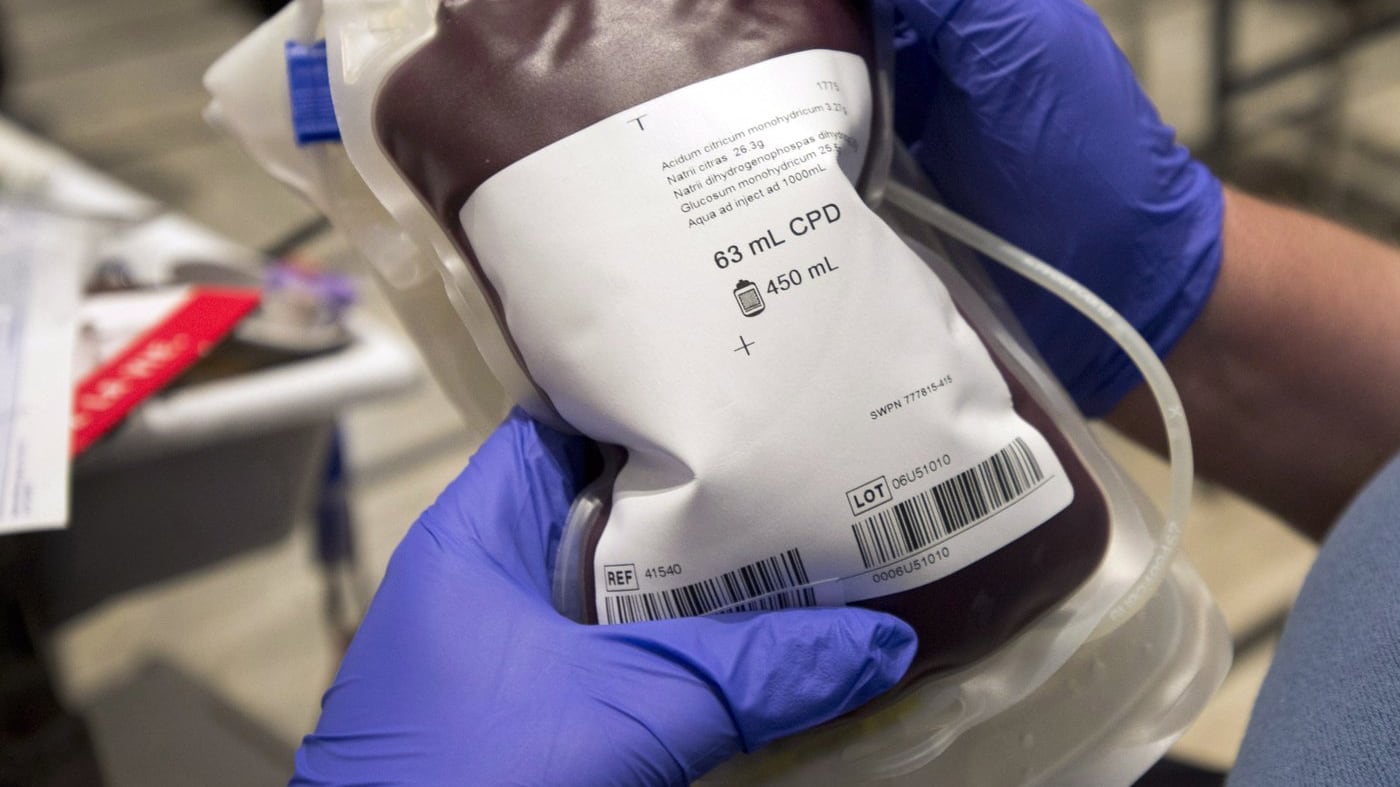
Canadians are being urged to roll up their sleeves as the country’s blood supply drops at an unusually fast pace and Canadian Blood Services says it isn’t entirely sure why it’s happening.
The national blood operator says inventories have fallen about 20 per cent over the past six weeks after far fewer donation appointments than expected were booked each week. While patient care has not been affected, officials say the goal is to rebuild supplies before shortages begin affecting hospitals, especially with the August long weekend approaching.
Bigger drop than a typical summer slowdown
Summer has always been a challenging season for blood collection, as vacations and changing routines often mean fewer people donate. But this year, the decline has gone well beyond what Canadian Blood Services normally expects.

“Typically in a week, we need about 18,000 and 19,000 appointments to keep the blood inventory in Canada stable and for about the last six weeks, we’ve been seeing a 1,500 to 2,000 appointment gap that we’ve been trying to address,” Ron Vezina, the organization’s vice president of donor engagement and corporate reputation told CTVNews.ca, adding that the drop has “eroded” overall blood supply.
“Patient care is not yet impacted. This call out to Canadians is to try to avoid that situation.”
Why have donations been falling?
Vezina said Canadian Blood Services has examined its usual indicators, but none point toward an obvious explanation.
“we’re a bit perplexed,” he said “All of our performance metrics would suggest we should be in a better place.”

He said the organization is not seeing unusually high cancellation rates, missed appointments or more people being turned away because they are ineligible to donate. In fact, the donor base is larger than it was at the same time last year.
“The blood donor base is a bit larger than it was last time at the same period. So we actually have more Canadians to call upon. It’s just not answering the call to the degree we need to right now.”
The shortfall is also being seen nationwide rather than in one particular region.
“We’re not seeing any regional differences across the board and across blood types,” Vezina said. “There’s more going out the door than coming in, and that’s why the supply is down 20 per cent.”
Which blood types are most needed?
Canadian Blood Services says every blood type is needed.
Vezina noted that O negative remains especially valuable because it can be given to almost anyone in an emergency.
“Only seven per cent of Canadians actually have that blood type, but it accounts for 14 per cent of what hospitals call upon,” he said.
Still, he stressed people should not think their blood type isn’t needed.
“Don’t assume that we have too much of your blood or not enough of your blood. The case is that all blood types are more than welcome.”
Why the August long weekend matters
The appeal comes just ahead of the August long weekend, when hospitals often require more blood products.
“For whatever reason, the August long weekend tends to be a higher than usual time for hospitals to pull in blood products,” Vezina said.
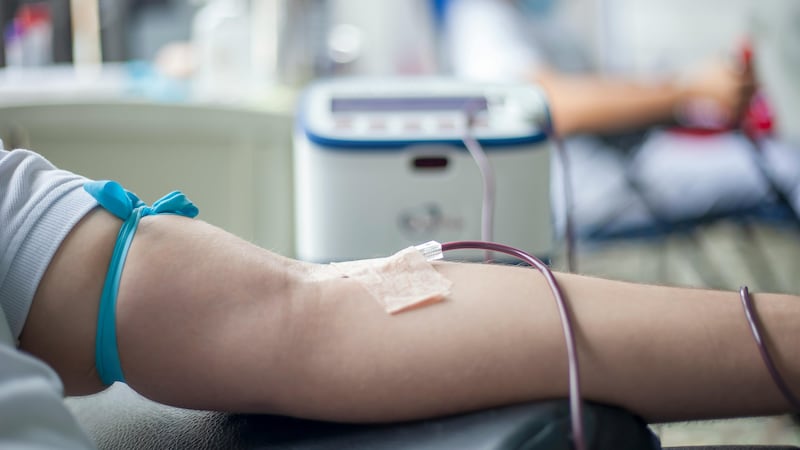
He said trauma cases can increase during the busy travel season, while demand from cancer treatments, surgeries and other medical care continues regardless of the time of year.
If supplies were to fall to critical levels, Canada has a National Blood Emergency Plan that guides hospitals on how blood products would be prioritized.
“It means that in gradual process, either treatments get delayed, or there’s certain priorities or perhaps the trigger for a transfusion is a little bit higher than it normally would,” Vezina said.
“But we see that as the last thing we ever want to see.”

A message to Canadians
Vezina believes many people support blood donation but assume someone else is stepping forward.
“So my message to Canadians out there … we’re saying there’s only two per cent of Canadians that are giving blood today. There’s 50 per cent that could be based on where they live, age groups, eligibility criteria,” he said.
“We invite more Canadians to experience what they get when they give.”

