During the rush of morning commuters pouring out of the subway and onto the platform of the Yonge-Bloor station in Toronto on Saturday, there appears to be a general feeling of optimism among many of the riders, that a change for the better is coming. The Toronto Transit Commission (TTC) will soon see special constables roaming the subway floors and cars, with new powers to ticket and arrest people for the use of illicit drugs on the transit network.
“Obviously the situation is visible and it’s bad,” said transit user, Robert Wheeler, while travelling along the transit line at Yonge-Bloor station in Toronto. “I think, if given the chance, (the special constables) would do it humanely and fairly. The drugs are on the street, they’re not hiding in back corners and the back alleys anymore, they’re right in the open. I would say it’s time for a little bit more forceful action.”
“I’m with the special constables.. because they’re helping the community,” said transit rider Sarthak Verma to CTV News on Saturday. “The special constables should be given the power for the safety of the community.”
The Ontario government announced it was giving its transit officers the power to issue tickets and arrest people for public drug use, while also giving them the authority to order compliance and seize illegal substances to send them out for analysis.
Although the province was aiming for a July rollout, TTC spokesperson Stuart Green has told CTV News “there are some logistics around training and handling and storage of evidence narcotics we need to work through before we can begin using this new tool.”
Ontario is believed to be the first province to extend a public drug-enforcement authority to transit special constables. This comes after Ontario approved the regulatory change to the Restricting Public Consumption of Illegal Substances Act.
Previously, special constables had the power to arrest under other provincial laws including trespassing and liquor consumption, but did not have the ability to arrest individuals for illicit drug consumption.

Edmonton ‘watching very, very closely’
Other provinces and cities, including Edmonton, are now taking note of Ontario’s move to see if they should adopt a similar approach.
“The recent move by the Ontario government is something that we’re watching extremely closely on the municipal level here in Alberta,” said Edmonton councillor Aaron Paquette in an interview with CTV News on Saturday.
“Right now, a peace officer can detain someone, they can write a ticket, but they cannot arrest,” added Paquette. “They have to call Edmonton Police Service to come out and then make that arrest and so it takes a lot of time. It’s inefficient and as a result, my concern is that sometimes there’s just not the intervention that there should be, simply because there’s a lot of work to do.”
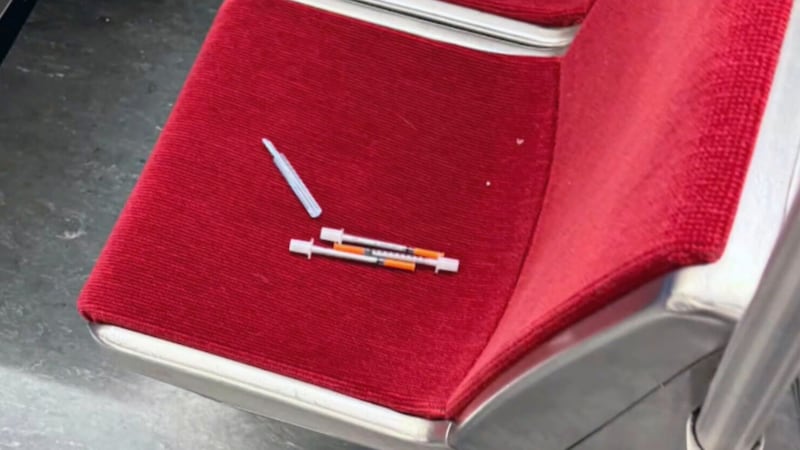
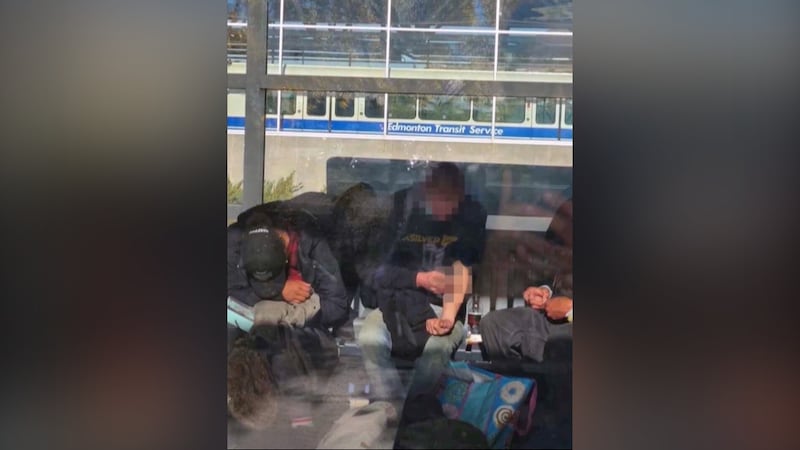
Like many major Canadian cities, Edmonton continues to grapple with open illicit drug use on public transit and in public spaces, driven by the ongoing toxic drug crisis.
Edmonton city councillor Mike Elliott tells CTV News he has more questions than answers regarding how the new provincial regulation will be implemented, what training will be involved and what resources it will take, before he can consider using the same tool in his city.
“What training is going to occur for these peace officers? Because it’s not just as simple as, ‘oh, we stopped John Smith because we saw him smoking a crack pipe.’ Okay, when? Where? What was your lawful placement? How were you documented?” Elliot said.
The pihêsiwin ward councillor says he would likely support the initiative if the new ability to arrest people for drug consumption does not take transit officers away from their other responsibilities.
“Also, if you’re collecting illegal drugs, you’re going to spend more and more time away from transit because you’re going to be in the office documenting this, because it takes more time,” added Elliott in a Zoom interview on Saturday.
“I’m gonna be watching this very, very closely. Because if there are avenues to address taking care of crime, specifically drug use on transit, I’m all for that. But I’m also cognizant of time away (from patrolling) and time spent in court when cases reach there.
Concerns of police targeting ‘marginalized’ passengers
According to the transit user advocacy group TTCRiders, concerns are growing as Toronto rolls out the new powers that transit special constables will do more harm than good to passengers.
“One of our biggest concerns with the language of this is that it gives special constables powers to detain people that they have reasonable belief (are) using drugs on transit,” said Andrew Pulsifer, executive director of TTCRiders. “So we’re very concerned that this will lead to racial profiling, criminalization of poverty, and just generally, more people being targeted on public transit because of how they look.”
Pulsifer says he worries about special constables also being thrust into a position where they might not have the proper sensitivity training to deal with people with drug addiction issues.
“We do know that Black and Indigenous transit riders are targeted more often by special constables, fare enforcement officers and police, so that training is absolutely still needed,” added Pulsifer.
One human rights organization tells CTV News, the province should target the root of the problem by providing more support and resources for those who are suffering from drug addiction, instead of using a more reactive approach.
“They may feel that the only safe place they have to go to deal with their addiction might be in a transit facility, because they’ve been kicked out of an encampment,” said Howard Sapers, executive director of the Canadian Civil Liberties Association (CCLA) via Zoom on Saturday. “There’s inadequate shelter space. There’s literally no place else for them to go.”
Sapers believes that even if transit officers are given the power to arrest people for drug use, each incident should be handled using a phased approach, beginning with a crisis response team before law enforcement steps in.
“The first response is not a law enforcement response, it’s a health-focused response. It’s to make sure that people aren’t experiencing an acute episode of perhaps a chronic mental illness, or that they’re not experiencing an overdose,” said Sapers.
“There’s no evidence to show that a law enforcement response or an arrest is the way to deal successfully with people in crisis. We’ve got people who are economically marginalized, people who are suffering from addiction issues and mental illness, who are chronically unhoused or are in fact homeless.”
Ontario’s Solicitor General’s office did not respond to CTV News’ request for an interview or statement regarding criticisms towards the approach. The union representing public transit workers, ATU Local 113, said “the union has decided not to comment on this issue in an interview format.”
Vancouver councillor says ‘it makes sense’
Vancouver is the only city in Canada with a dedicated police force for its transit system, with full police powers, including the authority to enforce drug laws. It differs from Ontario’s new regulation, which gives transit officers an additional tool to add to its toolkit.
Despite having transit officers with full policing powers for more than 20 years, Vancouver continues to grapple with a drug crisis. Recent data shows that drug-related deaths are down, but overdoses have hit a record high, highlighting that policing public drug-use on transit alone has not stopped public drug consumption in other parts of the city.
“We definitely have had challenges with public drug consumption and in a variety of settings,” said Vancouver city councillor Pete Fry in a Zoom interview with CTV News. “In about 2024, the province of British Columbia really gave direction to beef up enforcement on public consumption in the wake of reconsidering their approach to decriminalization.”
British Columbia’s drug decriminalization policy went through a multi-step rollout in 2023, that was met with swift public backlash, progressive rollbacks on public use, and ultimate termination earlier this year.
Even then, councillors say they’re watching the outcome of Ontario’s rollout of transit officers’ powers closely.
“If that’s the approach that Toronto is taking, I think it makes sense and I’m surprised, actually, that they didn’t have something like that in place already, to be honest,” said Fry.
Another Vancouver city councillor, Lenny Zhou, said “we welcome other jurisdictions taking steps towards preventing open-air drug use,” in an email statement to CTV News.
“I have repeatedly heard from families, seniors, and small business owners expressing concerns about open-air hard drug use and the associated street disorder that it brings.”

