After months of waiting, residents who evacuated Kashechewan First Nation in Ontario are getting the green light to go back to their community.
About 1,700 community members have been living in hotels across the province since being evacuated in mid-January due to unsafe drinking water.
They will start flying back home in the coming days.
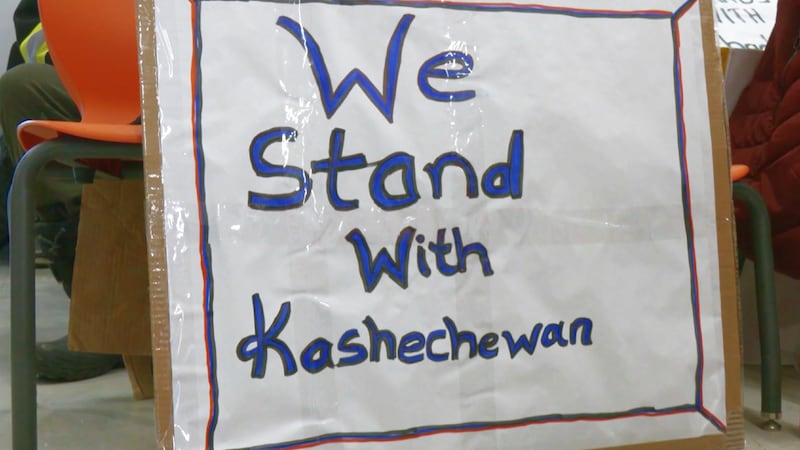
“The community is kind of excited and also kind of emotional at the same time,” said Tyson Wesley, Kashechewan executive director.
Residents were forced to leave when a pump failure caused sewage to back up into the drinking water supply last winter. That led to the First Nation declaring a state of emergency on Jan. 7 due to unsafe drinking water.
The latest test results show the water is now free of cryptosporidium and other harmful contaminants.
“That’s the news that we’ve been waiting for so long,” Wesley said.
Most evacuees have been living in hotel rooms in Niagara Falls, Kingston, Timmins, Cochrane and Kapuskasing.
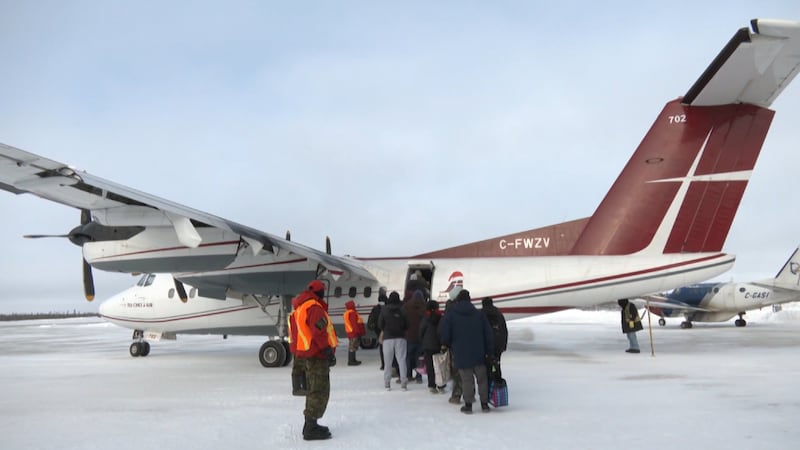
Wesley said evacuees will start returning home as early as Friday, with larger returns beginning Aug. 4 and will last about 10 days.
“We’re assuming that there’s going to be four flights available each day to send people home,” he said.
Between 60 and 90 people were sickened by cryptosporidium — a microscopic parasite — since the start of the water crisis. Officials said the water treatment system needed major repairs and upgrades throughout the summer.
UV system was damaged
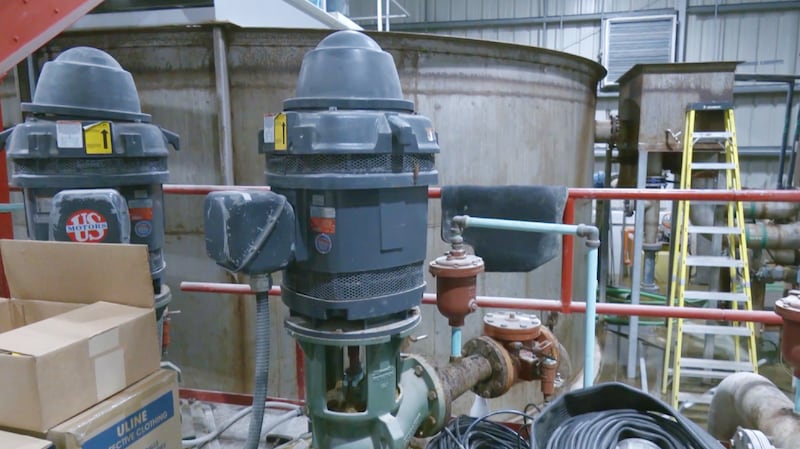
Brett McCormac, a senior environmental engineer with JR Cousin Consultants Ltd., the firm that led the repairs, said upgrades to the water treatment plant were completed to add one micron absolute cartridge filtration and UV disinfection to the treatment system.
However, the pumps for the UV system were damaged during the restoration work. They are expected to be fixed over the weekend.
“The WTP operators inspected the existing multimedia filters on April 14, 2026, and found there was an insufficient depth of media in the filters,” McCormac said in an email to CTV News.
“The contractors assisted the WTP operators with topping up the media in the filters.”
McCormac said the system will be above Health Canada’s minimum requirements for water treatment.
“Health Canada required 3.0 log removal and/or inactivation credits for cryptosporidium,” he said.
“When functioning properly, the existing conventional filters provide 3.0 log removal. The WTP upgrades will provide an additional 4.0 log inactivation via the UV disinfection and 2.0 log removal via the cartridge filters.”
Wesley told CTV News the entire cost of repairs to the water treatment system is more than $9 million.
Other repairs that had to be done to water mainline valves, the fire hydrants because they are important for the flushing process and pipes.
“Once we get back … I think our community public works department is going to need a big overhaul and a big, big boost in funding,” he said
The entire evacuation cost, he estimates, is between $100-$150 million.
“We didn’t understand the extent of the situation that we were in and just the work that was needed to repair everything,” he said.
In a statement July 29, Indigenous Services Canada said final costs of the evacuation are not yet known.
“Costs for the evacuation cannot be provided at this time as the situation remains ongoing. Invoices for incurred evacuation costs have not yet been submitted and are typically reconciled following the conclusion of the evacuation event.”

