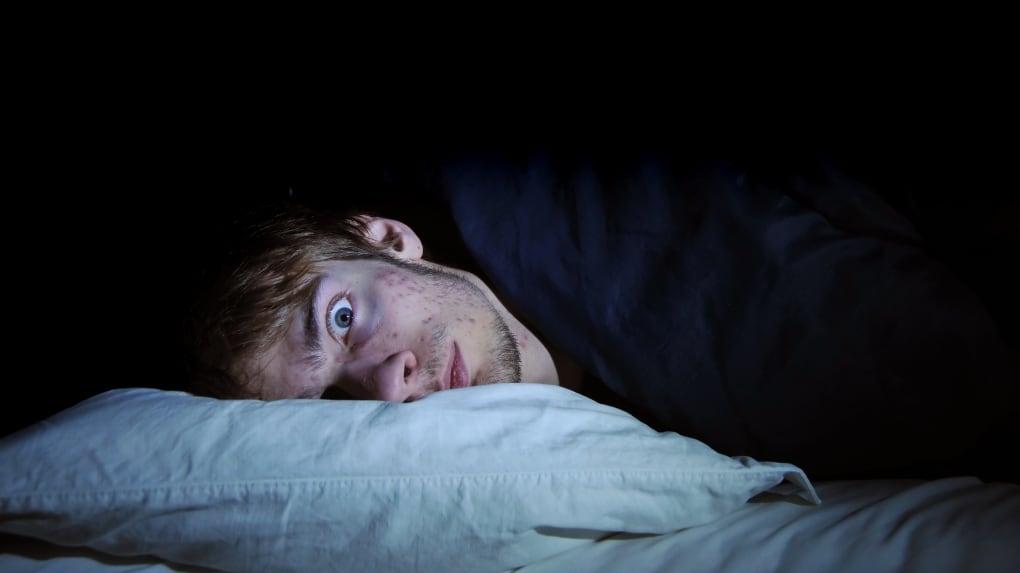
A new study reveals just how important this simple habit can be to living a healthier, happier life.
Building and maintaining a daily schedule can lower physical pain and aid against depression, especially for older people struggling with insomnia, researchers from the University of Missouri found earlier this year.
“If we are consistent with when we wake up, eat, work or study, interact with others and go to bed, those time cues help synchronize our internal body clocks,” Eunjin Tracyan, assistant professor in the school’s College of Education and Human Development, said in a press release.
“Over the long term, that seems to be linked with improved health outcomes.”
Researchers studied survey data from 67 older adults, 37 of which had insomnia. Those with insomnia reported pain and depression more than those without. Survey respondents who maintained consistent routines generally had less pain and depression.
Tracy thinks there may be a link between regular schedules and better health outcomes. She highlighted the relationship between the body’s internal clock, sometimes referred to as “circadian rhythm,” and healthier bodies and minds.
“Regardless of sleep quality, those who reported having a regular daily routine had lower levels of physical pain and less depression compared to those without a daily routine,” Tracy said.
Even a night out can upset one’s circadian rhythm, Tracy explained.
“There is growing awareness about the concept of social jet lag — waking up and going to bed at different times on weekends compared to weekdays — and the disruptions it causes to our circadian rhythm, so hopefully this research helps more people consider the health benefits of a daily routine,” she said.
Consistent daily routines and sticking to sleep schedules can help reduce physical pain and the symptoms of depression, according to Tracy’s research.
Upsetting regular sleep routines with light exposure, late-night snacking, or even just following daylight time changes can produce negative effects on overall health. In general, being a night owl is a health risk, while deep, regular sleep produces health benefits.

