WINNIPEG – Manitoba’s only safe consumption site will open in Winnipeg on Aug. 11, even though some continue to speak out against it.
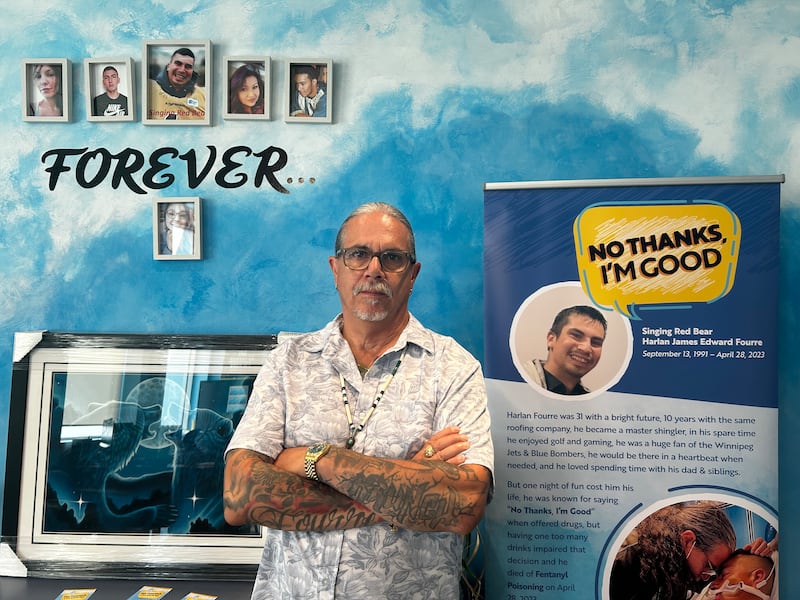
Winnipegger Joseph Fourre does not support the idea and has been fighting against it since 2019.
“I’m very frustrated the province is heading in this direction,” he said.
Fourre is a former crystal meth user and heroin addict, but has been in recovery for seven years.
He lived around consumption sites in other provinces for years and says he saw the impact on people struggling with addiction and the impact on the community these sites were in, first-hand.
“It was actually the place where I got introduced to heroin, because this is where drug dealers would congregate knowing the people visiting the site would need drugs to use,” he said. “There’s also the overspill that’s going to happen from the site.”
Fourre also lost his son, 31-year-old Harlan Fourre, to a fentanyl overdose in 2023. He believes a consumption site would not have saved his son’s life.
“He made a bad choice, and this is why we push for prevention and awareness amongst our young people,” he said.
A provincial spokesperson confirmed to CTV News earlier this week that staff for the site are being trained to “give Manitobans the support they need.”
The site will provide drug testing and a space to use drugs, including those take by injection, with staff on hand.
Safe supply needed
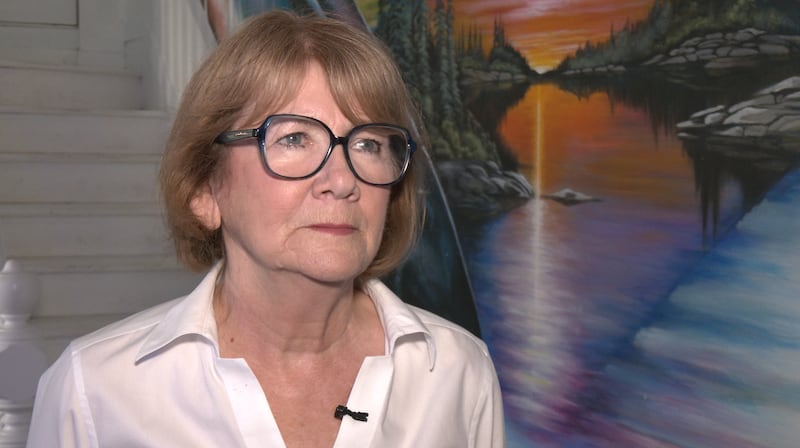
Advocate Marion Willis says the safe consumption site is most likely to make a meaningful difference if it also provides a safe supply of drugs.
“If you’re offering safe supply, and an individual is going to accept that, then it’s a pretty good indication that the individual is actually willing to embrace the idea of recovery,” said Willis, who is the founder of St. Boniface Street Links in Winnipeg.
“A safe consumption site that administers, that offers safer supply, is offering a message of hope and recovery to its consumers.”
Willis, however, says there are still a lot of unanswered questions about the use of this site.
“Who are we targeting?” she said. “Winnipeg is still a very small city. It’s a big town and we have a fairly complex river system here, we have a lot of green spaces and parks, and those are the places where people are building encampments this year, which is something a little bit different for us.”
“We’re attending more encampment calls and more responses to homelessness, in neighbourhoods, in residential areas, so certainly the challenges have become far greater,” she said. “I don’t see any of those people packing up their drugs and wandering off down to a safe consumption site to use. Will they even go there to get their drugs tested?”
Preliminary data from Manitoba’s Office of the Chief Medical Officer indicates there were 388 substance-related deaths across the province in 2025.
The latest numbers in 2026 show there were 61 deaths in January and February.
“I know that there are many people who are no longer with us, that if they could have accessed safer supply and then moved along the recovery continuum and into a recovery program, they would still be with us today,” she said. “We need to really focus on recovery, and we need to look at how do we improve access to recovery.”
Holly Mathias says it’s exciting to see Manitoba move forward in this direction, saying these sites “can help reduce overdose deaths and related injuries.”
“It’s important to provide a range of service options that can meet the unique and varying needs of people using substances,” said Mathias in a statement to CTV News, who is an assistant professor in the department of human ecology at the University of Alberta. “Adding this evidence-based service will help provide more service options to the community.”
Mathias said Manitoba had the fourth highest opioid-related death rate and highest reported stimulant-related death rate in Canada in 2025.
She says the new site should help alleviate the number of overdose deaths.
Closure of sites in Ontario, Alberta ‘concerning’
Last month, several cities including Ottawa, Calgary and Lethbridge, Alta., closed safe consumption sites.
Ian Culbert with the Canadian Public Health Association, who supports the use of safe consumption sites, says this is a major concern.
“That means people who are going to be using these substances anyway are going to be doing it without any support. If there is a poisoning, no one will be there to help them. It will put an additional strain on emergency responses in both of those provinces,” said Culbert, who is the executive director of the organization.
“It is another example, for people who use these illicit drugs, that this system is not there for them.”
Culbert says safe consumption services work well at preventing deaths among people who use drugs.
“Since 2017, federally authorized sites across Canada have responded to more than 65,000 overdose events, without a reported death occurring on site, but more importantly, they connect people who are often highly marginalized with health care and other services,” he said. “So, we should not overstate what one site can accomplish.”
With files from CTV News’ Charles Lefebvre

