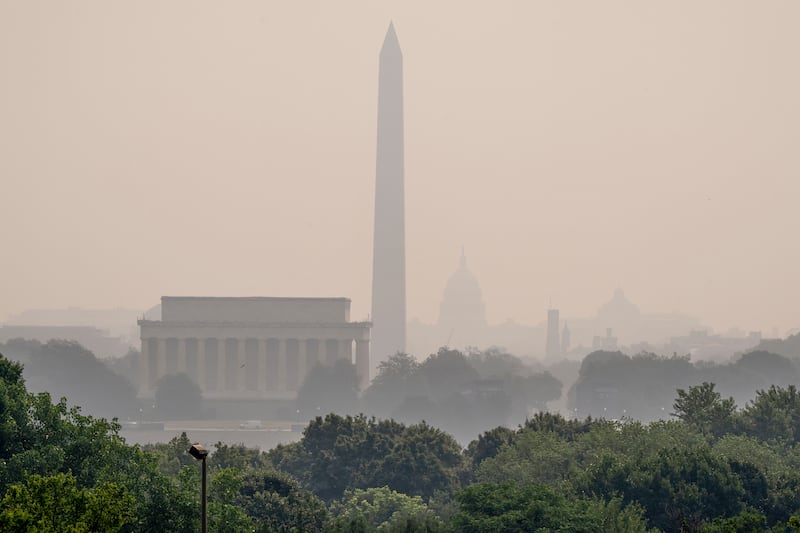
U.S. President Donald Trump’s claim that Canada is failing to properly manage its forests, and that the cost of wildfire smoke drifting south should be added to tariffs on Canadian goods, has prompted renewed questions about whether more could be done to prevent the massive blazes that have blanketed parts of North America with smoke.
But wildfire experts say the answer is far more complicated.
“The short answer is there’s nothing that Canada can do about these major wildfires that are causing wildfire smoke to travel thousands of kilometres,” said Anabela Bonada, managing director of climate science at the Intact Centre on Climate Adaptation at the University of Waterloo.
Trump said in July that the United States was being “invaded by filthy, polluted, and unhealthy air” because Canada was “not properly maintaining” its forests and brush.
His comments echoed criticism from several U.S. Republican lawmakers, who accused Canada of failing to do enough to prevent wildfire smoke from crossing the border. They called for more forest thinning, prescribed burns and other measures to reduce the risk of major fires.
Wildfires begin in ‘middle of nowhere’: expert
Bonada said those suggestions overlook the realities of where many of Canada’s largest wildfires occur.
“They’re in the middle of nowhere for us, so we don’t have roads that lead into them,” she said.
The boreal forest, where many of the fires that produced smoke affecting the U.S. were burning, also depends on wildfires as part of its natural life cycle, Bonada said, with fires helping regenerate the ecosystem by opening seeds and clearing vegetation.
“This is a natural process of our forests. What’s really changing here is that, with climate change, we have longer wildfire seasons,” she said. “We have more dry vegetation on the ground. We have more hot, dry, windy days that help spread the fires.”
Sarah Styler, an associate professor of environmental chemistry in McMaster University’s Department of Chemistry and Chemical Biology, said smoke from large wildfires is different from pollution produced by a factory or other single sources.
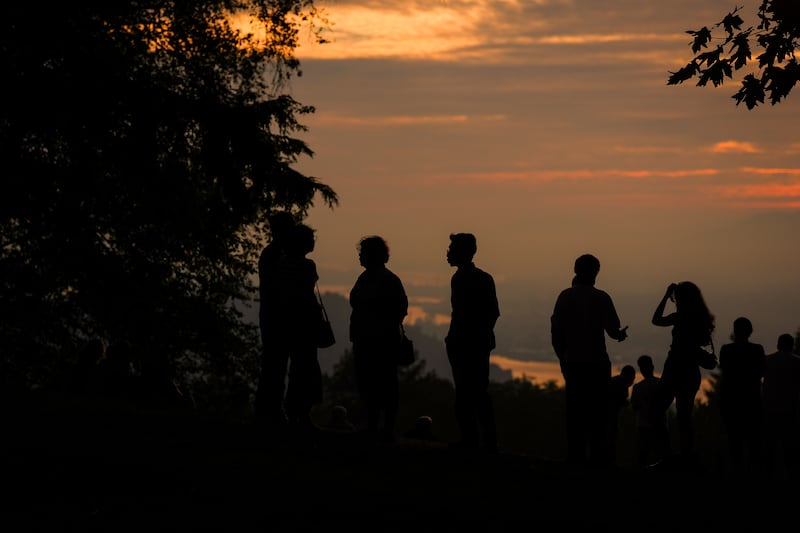
“The issue with air pollution is just that it travels on the prevailing winds, and so things that are emitted from one country, it’s not just going to stop when it reaches a land border,” she said.
Government regulation of wildfires ‘unrealistic’
Styler said previous cross-border pollution problems, such as acid rain, were linked to identifiable industrial emissions that governments could regulate. Wildfires are different.
“The majority of these emissions are coming from burning of the forest floor and the peat that’s underneath them,” she said, adding that Canada’s boreal forest and peatlands stretch across vast areas, rather than a single location where emissions can be controlled.
Peatlands typically remain wet and act as major carbon stores, Styler said, but hotter and drier conditions are making it easier for them to burn.
According to new research from McMaster University, most of the carbon released during Canada’s record-breaking 2023 wildfire season came from burning soil and peat, not trees.
Bonada said forest thinning and prescribed burns remain important wildfire management tools, particularly around communities where they can reduce fuel loads and help protect homes.
Canada has used those practices for years, she said, while Indigenous communities have long carried out cultural burning.
But applying those techniques across vast stretches of remote boreal forest is unrealistic.
“Where the boreal is, where these major parts of the land are, we can’t really go and thin that out. It would take like dozens of years to do it, it would take millions of dollars to do it, if not more,” she said, noting that wildfire smoke does not respect international borders.
The United States has experienced destructive wildfire seasons of its own, with smoke from American fires drifting into Canada. In 2023, smoke from Canadian wildfires also travelled across the Atlantic to Europe.
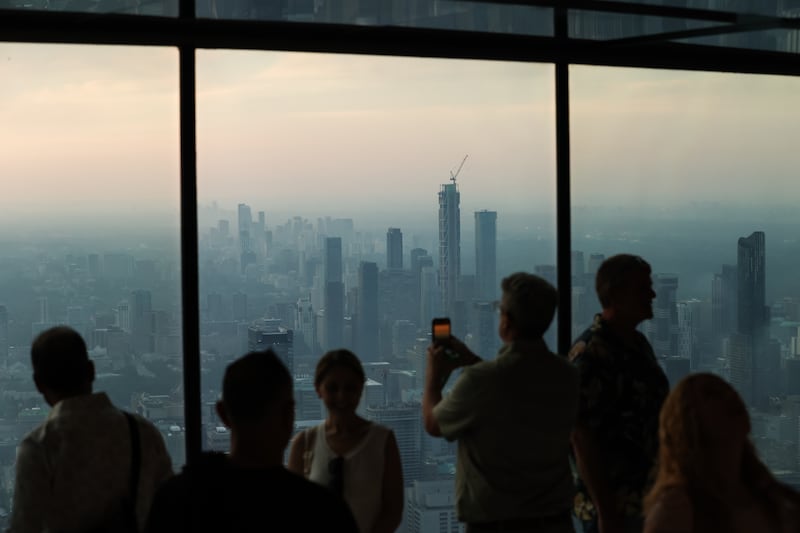
“Wildfires, smoke, climate change, they don’t respect these political boundaries that humans have put in place,” she said.
Both experts said addressing the underlying cause means tackling climate change.
“The dominating factor underlying all of this is climate change, generally speaking,” Styler said. “So, we are just having more fire weather. Fires are more frequent. They’re more intense.”
Bonada said governments also need to help communities adapt to increasingly smoky summers.
She said homeowners can reduce wildfire risk by clearing dry vegetation and combustible materials around their properties, while people can lessen smoke exposure by improving indoor air filtration, keeping windows closed during heavy smoke events and limiting outdoor activity.
“The No. 1 thing is all of us reducing our emissions, and that goes for the U.S. as well,” she said. “But we are looking at smoky summers ahead, so we need to do everything possible to protect ourselves and people that live in our home.”

