A major change is coming to the way Environment and Climate Change Canada warns the public about severe thunderstorms and tornadoes.
The federal agency is modernizing its alert system to deliver more precise warnings by switching to what’s known as a polygon warning system.
In a statement to CTV News, a spokesperson for the agency explained how it will work, writing that “forecasters outline the area most likely to be affected by a severe thunderstorm or tornado and send a warning only to people in that area.”
These alert areas are also known as free-form polygons.
While the forecasting system is new to Canada, it’s been used in the U.S. for years, according to John Hanesiak, an atmospheric science professor at the University of Manitoba.
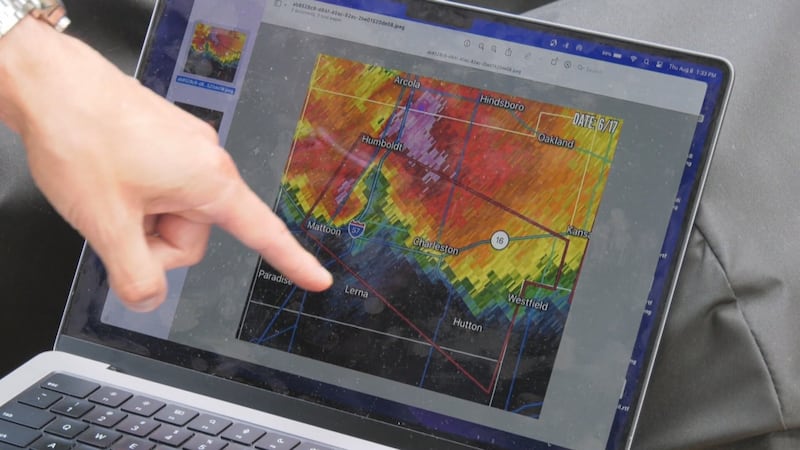
Hanesiak said the polygon system allows for much more targeted warnings, reaching those in a storm’s actual path.
“So people that are within, say, a half an hour or an hour of the storm, depending on how fast is travelling, they would actually have the warnings go out just for that localized area as opposed to a whole bunch of people getting the warning,” he said.
Despite the upgrade, Environment and Climate Change Canada said Alert Ready messages that interrupt TV and radio broadcasts won’t become noticeably more precise, because of how large broadcast coverage areas typically are.
Wireless alerts, however, are expected to be more targeted, meaning fewer mobile users will receive any given warning.
The new system is expected to go live on Aug. 11.

