Traditionally popular among older generations and in Asian cultures, the centuries-old Chinese game of mahjong has now been drawing fans from a variety of backgrounds.
Even celebrities have become obsessed with the tile-based game that experts say originated in China in the mid- or late-1800s. Former supermodel Cindy Crawford has become an avid player, while Meghan Markle, Duchess of Sussex, recently celebrated her 45th birthday with a mahjong-inspired cake and shared on her Netflix show that she plays with a group of friends called the “Maj Squad.”
Various types of mahjong have grown in popularity in Canada, as well. In an email shared Thursday with CTVNews.ca, the online platform Eventbrite said the number of mahjong-related listings in Canada saw a one-year increase of five per cent in 2025, while attendance grew by more than 70 per cent.
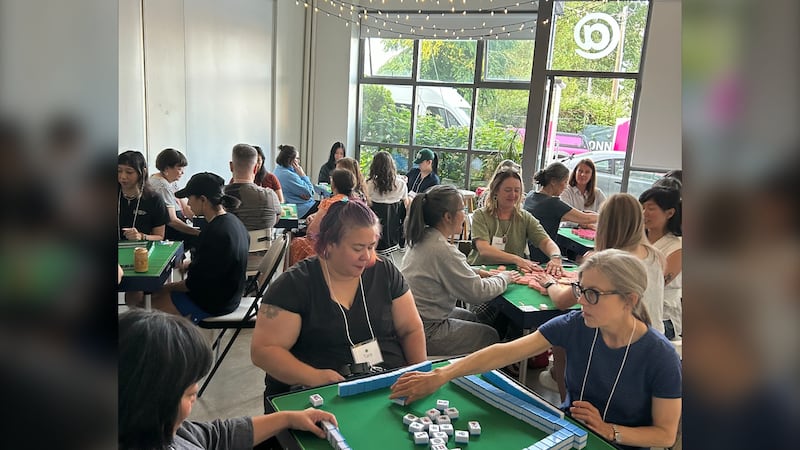
Sandy Gunn, co-founder of the Vancouver-based Lucky Tile, said she’s seen interest in the game grow through the events and lessons that her company has offered since April 2025.
Gunn said that within that short period, the “intergenerational attendance” has grown, and around half of clients are Asian while the remainder are not. She said about 1,000 people have taken lessons, with classes growing from once a month to around five, typically selling out within a week of releasing tickets.
“I think that people love games and they want to be together,” the 55-year-old leadership coach said in a video interview with CTVNews.ca on Thursday, noting that clients bring their partners, children, parents or grandparents.

Mahjong’s origins
Though some of mahjong’s history is disputed, a 2013 report published by Stanford University said that American expats and visitors to China picked up the game and brought it home to the U.S. in the 1920s.
Mahjong has about 40 different types with various sets of rules and ways of scoring. Gunn said her company teaches the Hong Kong version of mahjong, but she added that regardless of the style, the game draws people who want to take a break from the digital world, as well as a chance to connect with others in person, especially after the COVID-19 pandemic.
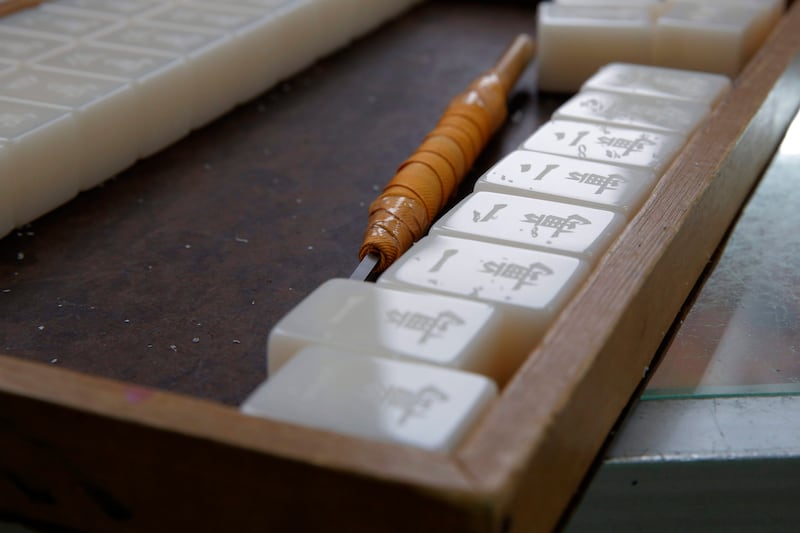
Similar to the card game gin rummy, mahjong involves four players using domino-like tiles that traditionally have Chinese symbols and characters. Mahjong is a rough translation of the Chinese word for “sparrow,” because the sounds the tiles make mirror the sounds of the bird.
Gene Mah, president of the Mah Society of Edmonton, said his non-profit began offering drop-ins for mahjong games about four years ago because of the demand from younger people in their 20s and 30s.
“And since that time, there has been a huge resurgence of mahjong across the country … from Vancouver all the way to Montreal,” the 65-year-old IT manager said in a video interview with CTVNews.ca on Thursday.
Mah said about 50 players, who play the Hong Kong-style of mahjong, attend the “mahjong nights” his group hosts every other Friday. He estimates that a quarter of players are non-Asian people.
Cyrus Fu, president of the University of British Columbia’s (UBC) Mahjong Club, said he has been interested in the game since he learned to play it using an iPad when he was seven.
“When I was a kid, I would go back to China a lot and go visit my family,” the 19-year-old pharmaceutical sciences student told CTVNews.ca in a video interview on Thursday. “Then my grandmother would run her mahjong games in her apartment with her friends, and so I’d sit next to her and I’d watch.”
Fu said he also likes to be able to connect with his culture, along with people, while speaking his native tongues, Cantonese and Mandarin.
Gunn said she wished she could’ve learned it earlier as she grew up watching her mother playing it.
“And I can just say for myself, like, I immediately loved it,” she said.
The “tactile nature of the game” was among the reasons she was hooked.
“I love that I can be around people and have fun conversation, deep conversation, or no conversation, and it can all happen over the table over the course of a couple of hours,” she added.

