What if the person standing next to you is not just wearing glasses, but quietly recording you?
That question is becoming harder to ignore as AI-powered smart glasses move from novelty to everyday technology. Devices such as Meta’s Ray-Ban smart glasses allow users to take photos and videos without reaching for a phone, raising concerns about people being recorded without realizing it.
In Canada, however, the legal answer to when that becomes unacceptable might not be easy to understand.
“In terms of how it’s dealt with by law, this is one of these areas where there’s a gap,” said Brent Arnold, a Toronto lawyer who specializes in cybersecurity and privacy, in an interview with CTVNews.ca.
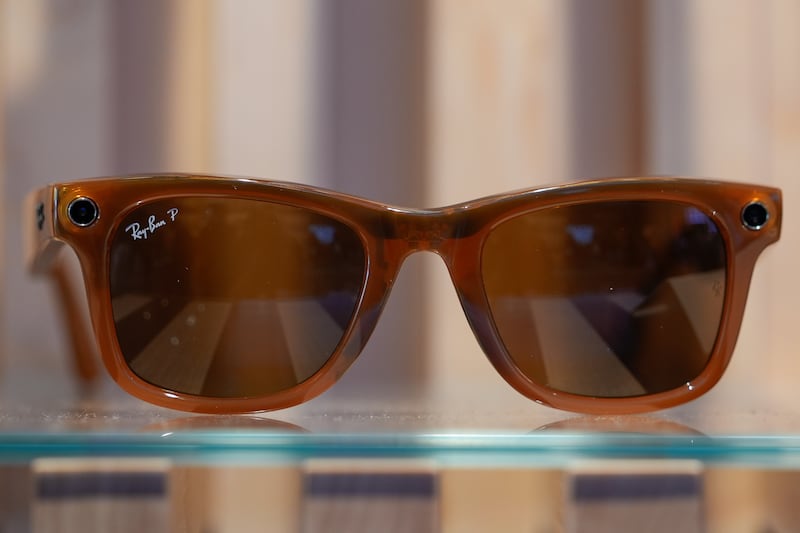
What happens when someone records you?
Arnold says Canadian law generally does not prohibit someone from recording another person in a public place where there is no legitimate expectation of privacy.
“There are very limited circumstances where it’s illegal to film somebody without their consent,” he said.
The Criminal Code includes narrow provisions dealing with voyeurism, but those protections do not cover most ordinary situations involving people being recorded while going about their day.
“There is nothing really in our privacy laws addressing it because privacy laws govern organizations and the way that organization collects and uses data about individuals ... doesn’t cover use of these devices,” Arnold said.
That means someone wearing these glasses and recording people in public could make them feel uncomfortable without necessarily breaking the law.

Can businesses simply ban them?
Private businesses have more room to set their own rules.
“If it’s your business, your property, you can put conditions that people have to follow if you’re gonna allow them in,” Arnold said.
A restaurant or bar, for example, could prohibit customers from wearing camera-equipped glasses.
The challenge is enforcement.
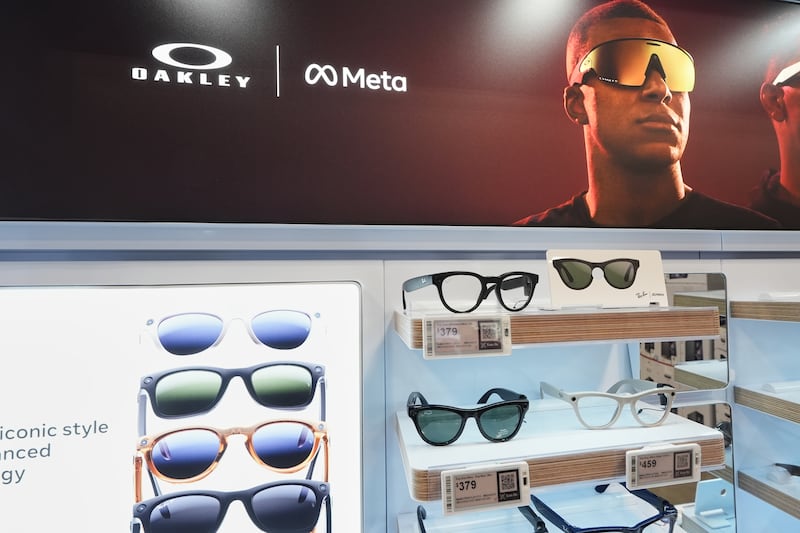
“How do you tell the difference between just a regular pair of glasses and a pair of glasses with a camera?” Arnold said.
And that may be the central problem facing lawmakers: technology keeps changing, while the underlying privacy concerns remain.
“The temptation is to say let’s ban the glasses or let’s put conditions on when you can use them,” Arnold said.
Instead, he argues laws need to focus on the conduct rather than a particular device.
Outside Canada
Concerns are growing in other countries as wells.
In the U.S., New York has banned smart glasses in state courts while some private venues, including Comic-Con, have also introduced restrictions.
Yet, demand is soaring. The owner of Ray-Ban says purchases of its AI glasses more than tripled over the past year, surpassing seven million pairs.
The workplace is different
The situation changes when smart glasses enter the workplace.
Arnold says employers need policies for when such devices can be used, what they are being used for and what information could be collected.
But there is another problem: knowing whether someone is actually recording.
“The Meta glasses have an LED indicator. It’s quite small, and we know it’s possible to disable that with a little bit of technical knowledge,” he said.
That creates a practical dilemma for workplaces.
“People shouldn’t have to walk around looking at everyone’s glasses to see whether or not they’re being filmed,” Arnold said.
Employers could prohibit the devices, he added, but such restrictions could eventually face legal challenges depending on the circumstances.

