From coast to coast to coast, Canada is covered in mega motorway marvels.
There are more than 1,500 roadside attractions across Canada but it might be the end of the road for these iconic works, one expert warns.
“(The attractions are) ways to get people off the road to get that really cool, little undiscovered experience,” Wayne Smith, Toronto Metropolitan University’s hospitality and tourism research director told CTV Your Morning on Friday.
The attractions came around following the construction of the Trans-Canada Highway, Smith said. Previously, people travelling across the country had to drive through all the towns that dot Canada’s interior, he explained, but the highway let drivers skip all that.
In response, the towns built attractions to encourage drivers to take a detour and support their economies, Smith explained.
“We get the tourists to come off the road and it’s really good for places that don’t necessarily have a ton of hotels, don’t have big attractions, have something that’s going to keep people for days,” he said. The attractions can instead draw visitors for a few hours.
“Which is a wonderful thing from an economic point of view.”
‘Tells you all you need to know’
The attractions can also act as mascots for what might otherwise be unremarkable towns, Smith said.
“Iconic features are a big part of any tourism,” he explained. “What would Toronto be without a big tower?”
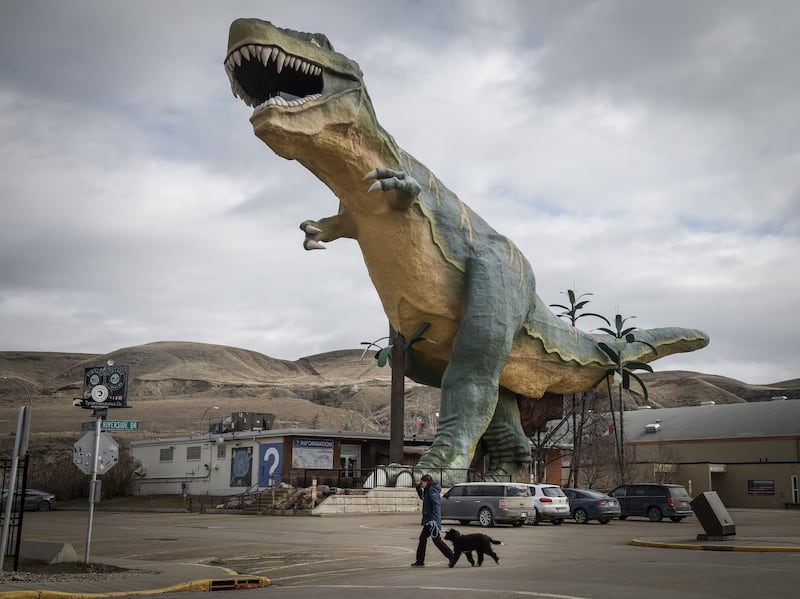
Drumheller, Alta. is home to Tyra the T-Rex, which is the world’s largest dinosaur sculpture. Alberta is famous for fossil discoveries, helping to explain why Tyra came to town in the first place.
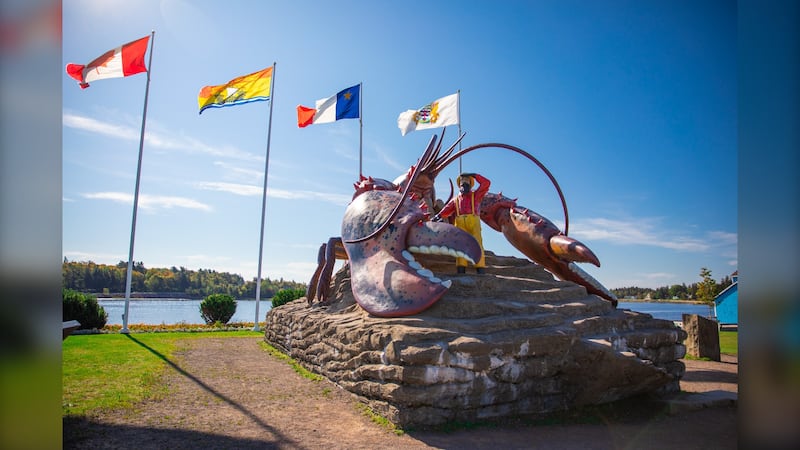
Shediac, N.B. has a long history of lobster fishing and hosts an annual lobster festival. It hosts a 90-ton sculpture called “The World’s Largest Lobster.” The artwork celebrates the town’s history and its people, many of whom work or have family connections to the commercial fishing industry.
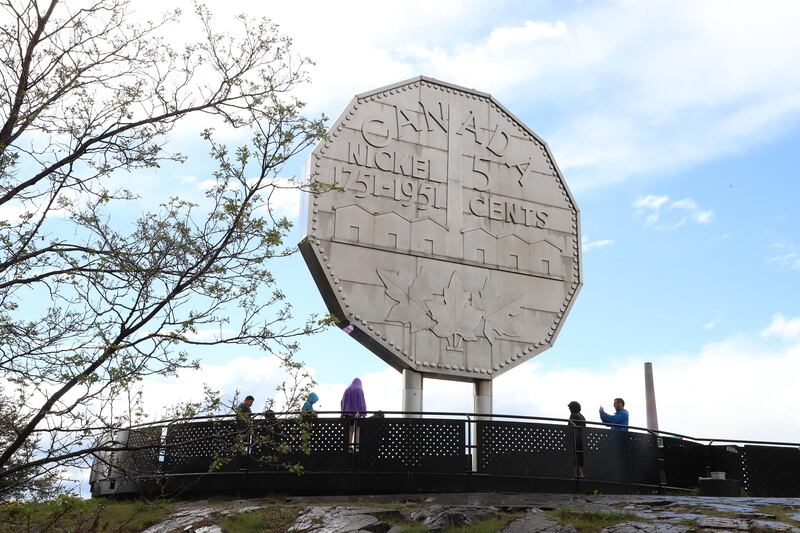
Sudbury, Ont. has a similar story with its giant nickel and rich mining history.
“If you think about the big nickel, it tells you all you need to know about Sudbury’s history in like two minutes,” Smith said.
“These types of things have their own art, and their own appeal, and their true Canadiana.”
‘Don’t need thousands of jobs they need tens of jobs’
The attractions can act as an economic lifeline for some small towns, Smith said. When travellers drive on major Canadian highways, a huge novelty attraction whether it be dinosaur, nickel, or anything else can pull tourists, and their wallets, into a community’s economic orbit, even if only temporarily, he explained.
Combining legacy attractions with local business can create local jobs for community members, Smith said. “There’s a big apple, and right around that big apple there’s a bakery and there’s a putt-putt thing,” he added, highlighting the Colborne, Ont. roadside attraction.
“That big apple just pulls people right off the (highway) and into that little economic zone,” he said.
“If you think about it, these towns don’t need thousands of jobs, they need tens of jobs to really make a difference in that town.”