WINNIPEG - The City of Winnipeg is facing an ongoing problem involving vacant and boarded-up properties, posing fire hazards.
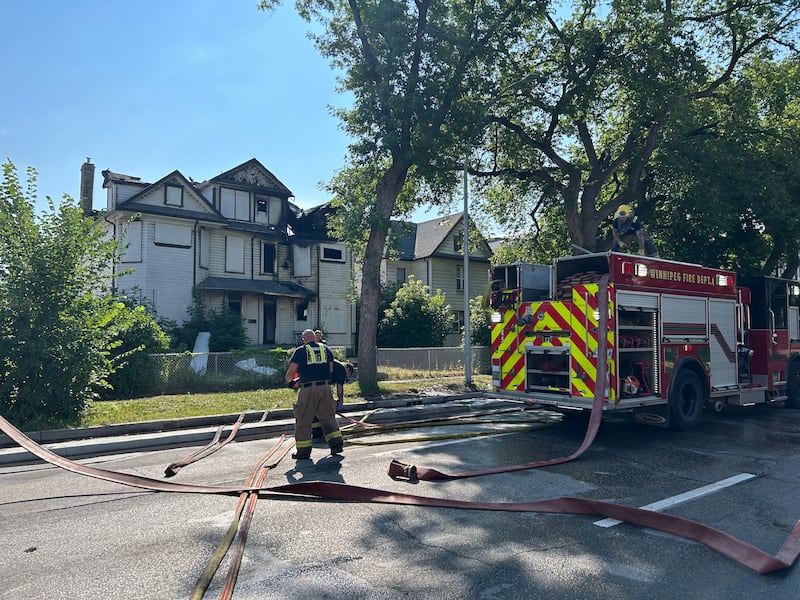
On Thursday, a fire broke out at a vacant house in the city’s West End taking fire crews nearly three hours to extinguish it.
No one was hurt, but the house sustained severe damage.
It’s not an isolated issue. Just last week, a vacant house in the city’s North End went up in flames for the second time in three years. In July, another vacant home in the same neighbourhood suffered a similar fate. In May, fire crews responded to nine separate fires within a 24-hour period, six of them at vacant properties.
Advocates say many of these structures over the last number of years have been damaged or destroyed by fire, often started by people seeking shelter in vacant homes.
Winnipeg community advocate Sel Burrows says a lack of investment in repairing abandoned properties in the inner city is making the problem worse.
“If this kind of problem of burning vacant houses was in the suburbs, the mayor and councillors would have taken care of it,” he said.
He believes repairing these homes and turning them into affordable, low-income rentals could help prevent fires by giving people safe places to live.
“It costs $300,000 to build a new unit of social housing. These places here are the lower cost rental housing units which can go for $25,000 and $50,000,” he said. “All it takes is more energy and more commitment to action rather than avoiding it.”
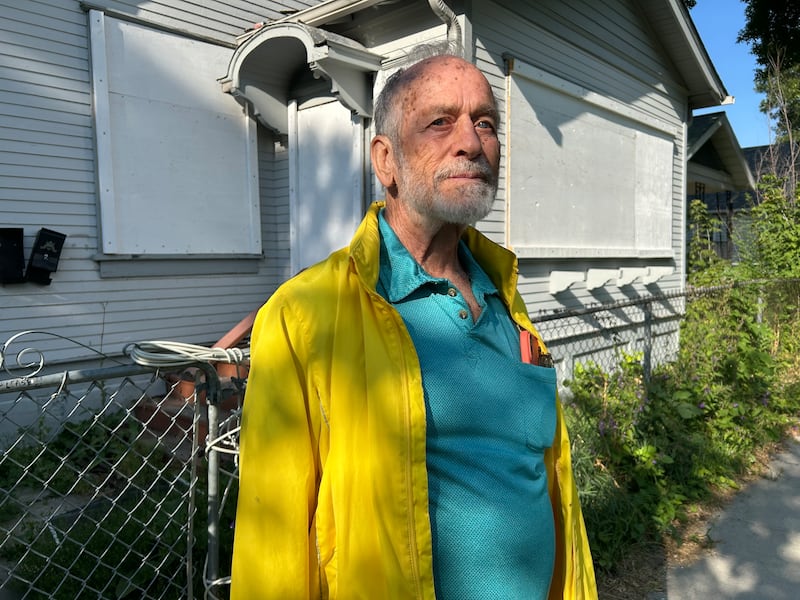
He says residents living near vacant properties need to be part of the solution.
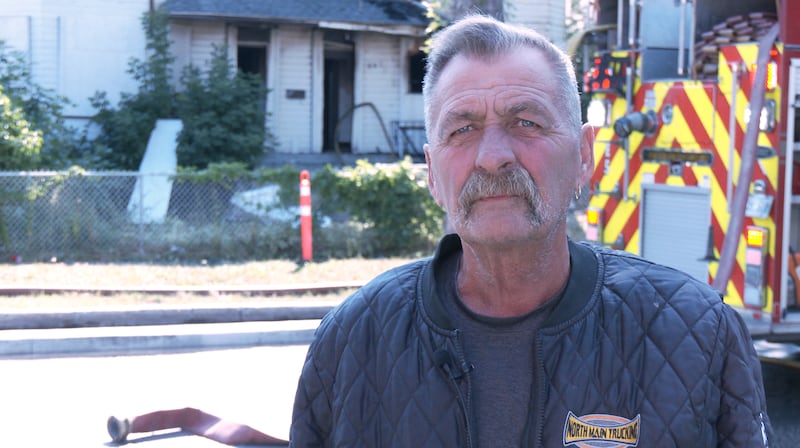
For Darrell Warren, president of the city’s William Whyte Neighbourhood Association, fires on vacant properties have become all too familiar.
He says the city needs stronger enforcement against property owners to prevent this issue from getting worse.
“We have a plan to go ahead, and if the houses aren’t plowed down, can’t be fixed, let’s plow them down, and get new houses in their place,” he said.
The City of Winnipeg has begun expanding its enforcement efforts. A city spokesperson told CTV News officials are currently conducting enforcement efforts on 810 properties, including 641 residential and 169 commercial buildings.
In June, city council approved a new Vacant Building Grant, providing $3 million to help convert vacant and underused buildings into occupied homes. Eligible applicants can receive up to $35,000 per unit for the purchase, repair, or renovation of vacant buildings for housing.
Another initiative, the Vacancy to Vitality strategy, is taking aim at vacant lots in Winnipeg’s North End by converting them into affordable housing. The city sells the lots to Winnipeg’s Purpose Construction for $1 with the goal of creating homes for low-income families.
Sheri Bailey, executive director of the non-profit organization, says three homes have already been completed through the pilot project with another five planned. If the project is successful, the organization could receive approval to build more.
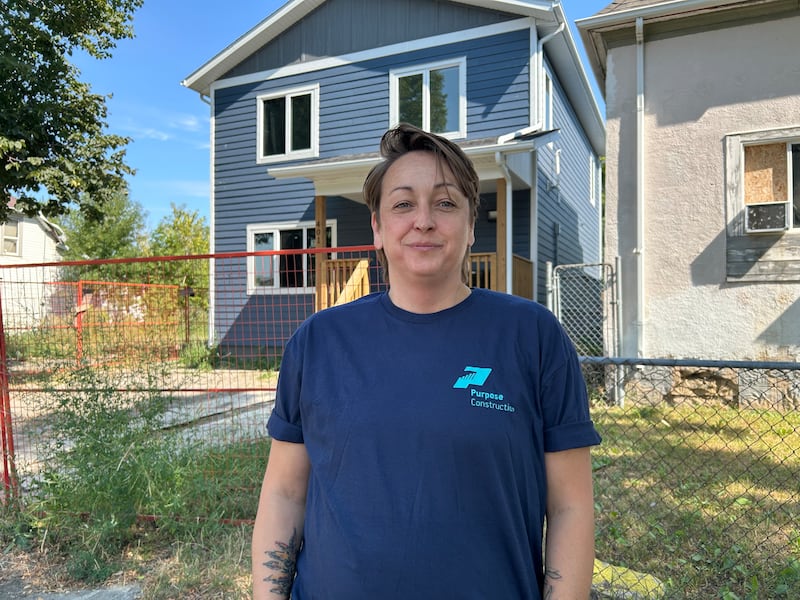
“The city’s actually doing the demo on the lots, and then we get them as empty properties, and then we just figure out kind of the maximum bedrooms and things that we could put on those footprints,” she said. “The call from the community is homes with three or more bedrooms and that’s what we’re trying to deliver.”
Bailey says the work goes beyond just putting people in these homes.
“What we are trying to do is developing a workforce and provide opportunities for people facing barriers to employment,” she said. “In doing that, we’re building affordable homes, so we’re trying to check as many boxes as possible and solve a need that we’re seeing in the community.”

