Amazon Canada has removed many off-brand squishy dumpling toys, following safety concerns, as reports show there could potentially be a health hazard.
Often marketed as calming sensory tools, many companies have created ‘off-brand’ versions of the popular toy that are sold online.
However, safety officials have found there are some counterfeit toys that could contain toxic chemicals, leading to serious health risks and burns if the toys break open.
According to cases reported, the sticky gel from inside the squishy toys has left kids with red, irritated, or peeling skin.
CTV News reached out to Amazon Canada, following their move to take down the off-brand squishy bao toys from their website.
In an email shared with CTV News, Amazon confirmed some toys in question were removed from its website.
In addition, Amazon said it requires all products offered in their stores to comply with applicable laws, regulations, and Amazon policies.
The company also advised that the products are subject to Canadian regulatory requirements and do not specifically address the reported safety concerns for the emerging toy category.
Earlier in August, the Consumer Product Safety Commission also issued a warning about fake and counterfeit squishy toys that “may pose serious risks to children.”
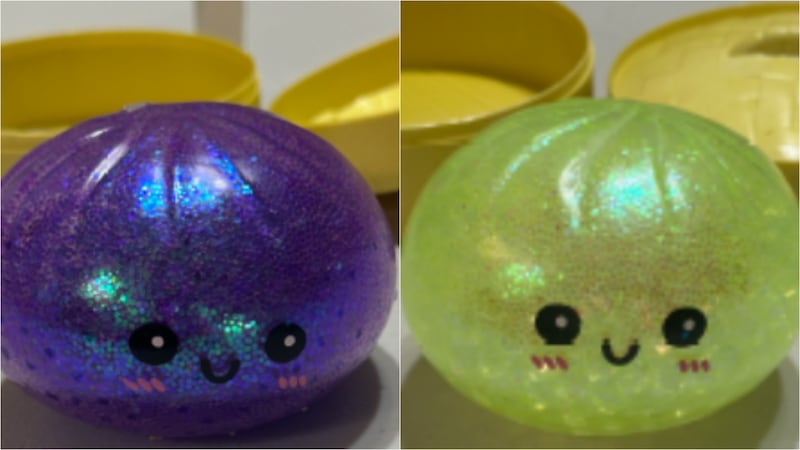
Counterfeit squishies are showing up online, on social media, and in discount stores and may contain hazardous or unsafe materials. According to a Consumer Reports investigation, it found children suffered chemical burns after their squishy toys burst open.
“We do know that the risks are not just limited to counterfeit products. And we know that because as part of our investigation, our safety experts bought several toys and tested the gel inside, and one had an acidic pH the same as lemon juice or vinegar. And a pH like that can cause severe skin irritation, especially in children who have more delicate skin,” said Gabe Knight with Consumer Reports.
32 reports involving squishy toys: Health Canada
CTV News also reached out to Health Canada regarding these squishy toys, and in a statement shared with CTV News, it confirmed that from April 23 to Aug. 18, 2026, Health Canada received 32 reports regarding the squishy toys.
“One report did not mention any strong smells, only being concerned about the product due to seeing a news report about it, and 4 reports mentioned an injury (e.g., headache, skin rash, difficulty breathing). Health Canada is reviewing the reports to determine whether the products meet all regulatory requirements,” the statement read.
Health Canada noted that it has not confirmed that the toys pose a specific health or safety risk and recommended that consumers check all toys before buying them.
“It is worth noting that some countries don’t have the same rules and regulations as Canada when it comes to toy safety. If you purchase a toy from outside of Canada, be aware that it may not meet our regulatory requirements,” Health Canada said.
The federal agency also advises consumers that it “does not approve consumer products, including toys, prior to sale. However, Health Canada regularly monitors the marketplace and follows up on identified consumer product risks.”
What parents can do
It’s difficult, and sometimes impossible, for a parent to determine based on a package or an online listing whether a squishy toy is counterfeit, and many of the incidents reported involve name-brand products purchased at major retailers.
“Right now parents need more information because the safety risks may not just be limited to fake or off-brand toys,” said Knight.
If your child is playing with these squishy toys, Consumer Reports advises a few strategies that can help keep them safe.
They include not giving gel-filled toys to babies or toddlers, checking for holes or tears frequently, and if one does break on your child’s skin, washing it off right away and throwing out the toy.
Health Canada is also warning consumers to not leave squishy toys in hot cars or in direct sunlight on dashboards or other hot surfaces, as heat can cause them to burst and become a dangerous burn hazard.
In cases where products are found non-compliant by Health Canada and a recall is required, Health Canada will publish the information on the Government of Canada’s Recalls and Safety Alerts (RSA) website.”

