KINGSTON, P.E.I. - The U.S. is tightening rules on fresh P.E.I. potatoes following calls from American industry groups for an outright ban, but Island growers say the science supports keeping their spuds moving south.
In the latest turn in a cross-border dispute dating back more than two decades, the U.S. Department of Agriculture (USDA) is implementing new import rules after potato wart was detected in the province this spring.
The fungus that causes potato wart can survive in soil for more than 40 years and reduce yields. It poses no risk to human health, but no treatment is currently available to control it.
At Skye View Farms in Kingston, seed potato grower Alex Docherty bluntly shared his perspective on the risk.
“There’s a bigger chance of a tire falling off an airplane and hitting me right now than us shipping potato wart to the U.S.,” he said.
Past potato wart restrictions have cost his business hundreds of thousands of dollars and reshaped how it operates. He says the U.S. push to implement more is less about plant health, and more about market competition and politics.
“If they can knock us out and make it a little more tough for our buyers, I’m sure they’d like that,” he said.
An old fight over Island spuds
In 2021, Canada stopped sending one of the Island’s most prized exports to the U.S. after potato wart was detected in two fields.
The P.E.I. Potato Board estimated the closure cost the Island’s industry more than $50 million in revenue and forced farmers to destroy 250 million pounds of potatoes.
While some shipments resumed the following year, other restrictions remain, including a U.S. ban on field-grown seed potatoes.
In May, the Canadian Food Inspection Agency announced that potato wart had been detected in soil samples from a single P.E.I. field, but that there were no symptomatic potatoes or evidence of spread. The farm where it was found doesn’t export potatoes.
In response, the National Potato Council, a Washington-based lobby group, called on the USDA to reinstate the ban on fresh P.E.I. potatoes.
“An introduction of potato wart into the United States would trigger devastating economic consequences for domestic family farms,” the council wrote in a letter signed by 13 state potato groups. “The U.S. potato industry generates more than $100 billion in annual economic activity and supports over 714,000 jobs.”
On Friday, the USDA’s Animal and Plant Health Inspection Service stopped short of imposing a ban, instead updating its import safeguards to reduce the risk of introducing potato wart south of the border.
But the Canadian Potato Council says that risk is already “minimal.”
Chair Bill Zylmans said no potatoes from contaminated fields have left the Island in four years.
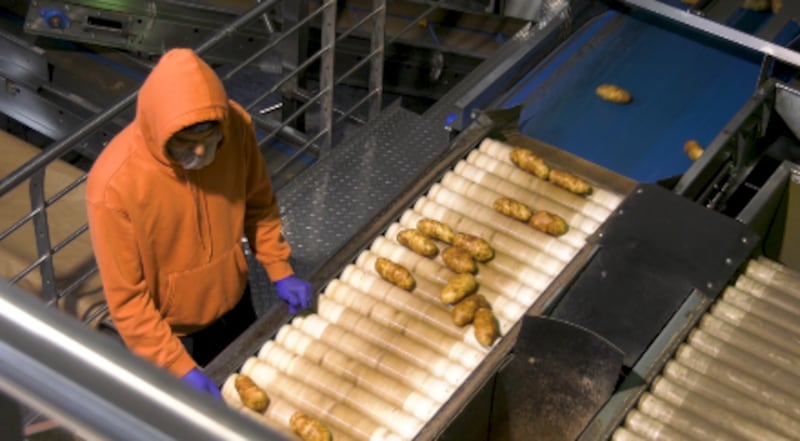
Under existing requirements, P.E.I. potatoes shipped to the U.S. must be washed to remove soil, treated to prevent sprouting, inspected and certified. They must also be traceable to their production site and packing facility and meet the U.S. No. 1 grade standard.
“We are all doing the best job we can with the new compliance agreement that’s been in play now for a few years,” he said.
What changes on Oct. 5
The changes mainly affect U.S. facilities importing P.E.I. potatoes in bulk, defined as containers holding 50 pounds or more, for processing, packaging or repackaging.
Those facilities will have to sign compliance agreements setting out how waste will be handled.
Cull potatoes and potato waste can no longer be fed to animals, and the waste must be sent to approved disposal sites.
The USDA is also expanding labelling requirements for smaller shipments repackaged in the U.S., so they remain fully traceable to their Island origins.
“Fair? Potentially,” Zylmans said when asked whether the updates were proportional. “But this is going to add cost to the U.S. buyer to handle the product.”
He added P.E.I. operators may also need to invest more in packaging if some U.S. buyers can no longer accept large loads in bulk.
The rules are set, but talks continue
Zylmans said talks with U.S. regulators are continuing, and the Canadian Potato Council hopes some requirements will still be walked back before they take effect.
On the Island, the announcement landed with some surprise.
“While we were aware of upcoming changes to the order through reliable and consistent communications with our regulator, the timing of the changes was unexpected, as were other specifics,” P.E.I. Potato Board general manager Greg Donald wrote in a statement to CTV News.
Donald added the board is reviewing what the changes mean for Island growers and shippers, but the industry has consistently adapted to evolving market and regulatory requirements.

