SASKATOON - Spectacular images of a lunar eclipse are surfacing following last night’s impressive astronomical event.
Stargazers from across the country and around the world watched the Earth’s shadow cast over the moon during a partial lunar eclipse Thursday night.
Amateur astronomer Ron Waldron watched the eclipse through his telescope in a Saskatoon park.
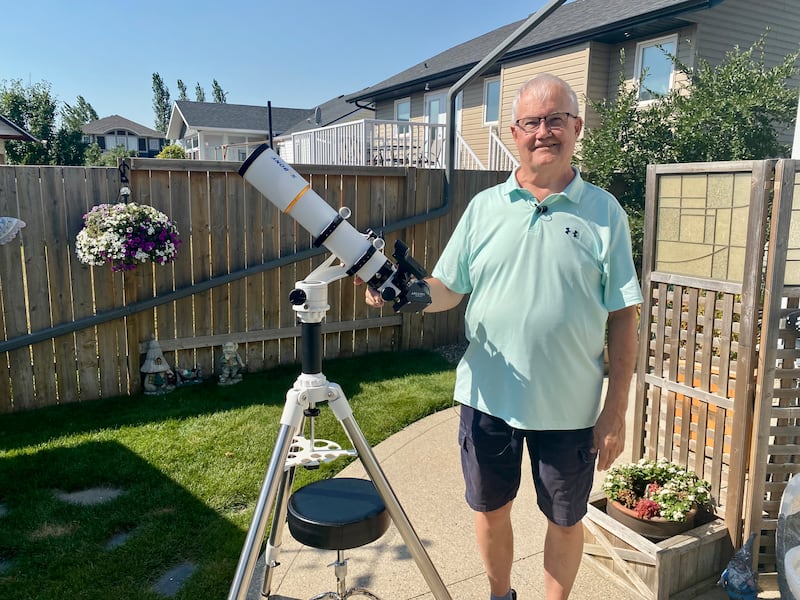
He says he has seen dozens of lunar eclipses in his lifetime and each one is special.
“It’s always fascinating,” he said. “I have never had a bad night under the stars. It just does not happen.”
Waldron photographed stages of the eclipse throughout the night including at its peak when the moon was 93 per cent covered.
However, clouds kept him from seeing the moon turn red, known as a blood moon.
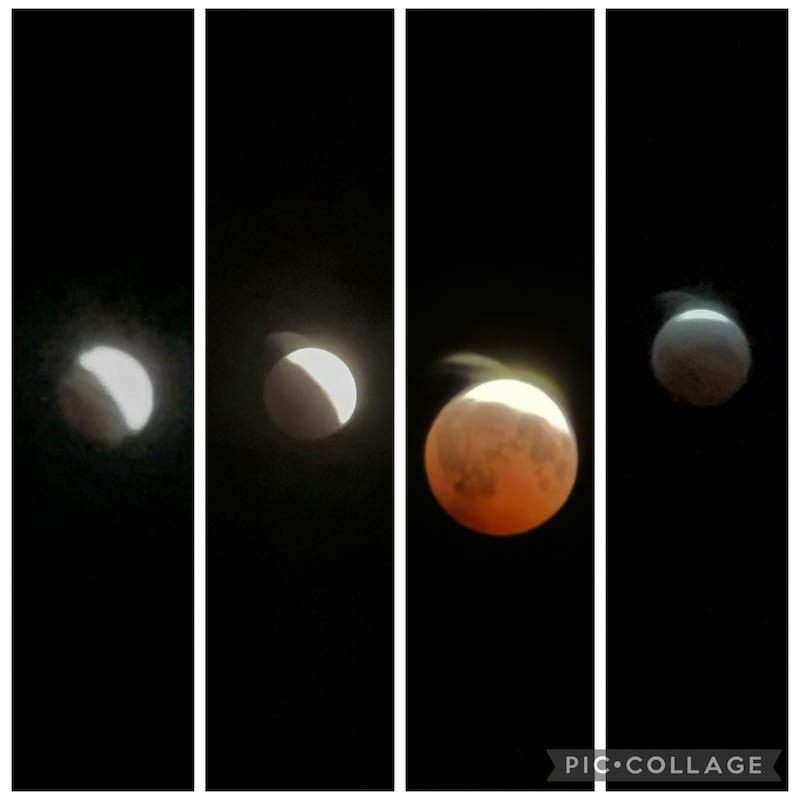
“We did not get the blood moon in Saskatoon,” he said. “But I don’t worry abut that. I have learned to enjoy my hobby. Clear or clouds, it is not a problem for me.”
Further south, University of Regina astronomy professor Samantha Lawler had a clear view of the blood moon.
“It was kind of like every sunrise and sunset in the world at once projected onto the moon, so the moon was a really pretty red,” she said.
“It was really neat.”
The eclipse was visible across Canada and the United States, as well as Central and South America, western Europe and western Africa.
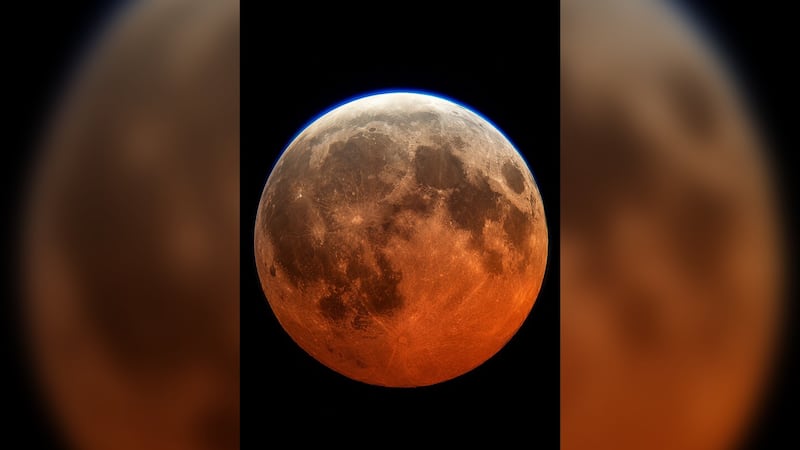
“Lunar eclipses are visible across the entire half of the Earth that can see the moon at the same time,” Lawler explained.
August has been a busy month for some Canadian sky gazers. Just two weeks ago, Atlantic Canada experienced a partial solar eclipse.
Lawler said the celestial events are not a coincidence.
“When you have a solar eclipse somewhere in the world, you will have a lunar eclipse somewhere else in the world two weeks later, just because the same geometry that makes a solar eclipse possible also makes a lunar eclipse possible.
Lunar eclipses are fairly common, according to Lawler. They happen about once a year.
The next partial lunar eclipse will take place in January 2028.

