WOLFVILLE, N.S. – Acadia University is home to the Canadian Tick Research and Innovation Centre, a facility that is the first of its kind in Canada.
The research facility based in Wolfville, N.S. is receiving $1.2 million from the Nova Scotia government, plus $455,000 from the federal government, to support efforts to develop new tick-control and repellency technologies.
Acadia associate professor and tick researcher Nicoletta Faraone said her research team will collect and study a lot of ticks.
“We will be doing surveillance, pathogen testing and looking at the tick density and population in the province,” said Faraone.
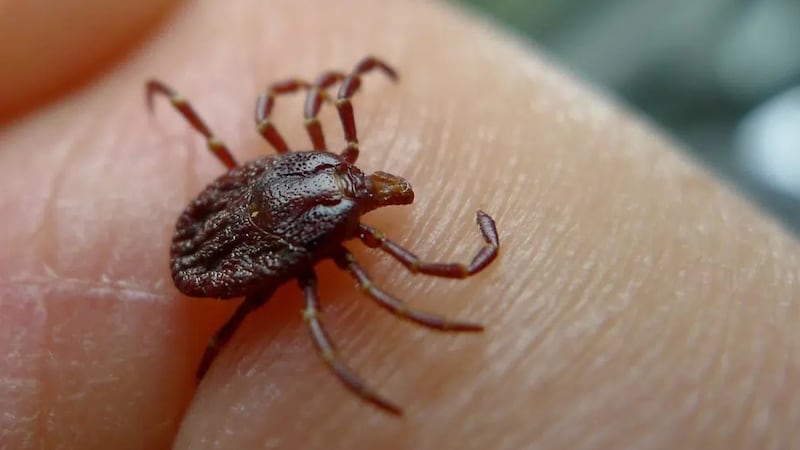
The blacklegged tick is prevalent in Nova Scotia and can transmit both Lyme disease and anaplasmosis, a bacterial infection.
According to Faraone, other tick species are also dangerous and Nova Scotia is now one of the worst provinces for ticks in Canada.
“Data published by the Public Health Agency of Canada just last year saw that we had more than 600 cases of anaplasmosis, and 90 per cent of those cases were Nova Scotia,” said Faraone.
This all adds up to some much-needed good news for Donna Lugar, who was very sick 25 years ago. It took years before she was finally diagnosed with a tick-borne illness.
“I still deal with a lot of weird health issues, and some are a little more concerning than others,” said Lugar, who is a Lyme disease advocate and promotes public awareness and education.
Last year, she started a petition to urge the Nova Scotia government to improve diagnosis, treatment and awareness around tick bites and the diseases they spread.
“The petition included dedicated clinics, at least one to start with; people that are adequately trained and knowledgeable about all tick-borne diseases,” said Lugar, who added the provincial government has not responded to the petition.
While she’s pleased the province has provided financial support to develop tick control technologies at Acadia University, she wants the Nova Scotia government to offer even more support.
“Any research into ticks and how we can reduce the numbers, and how we can find out what diseases they are carrying, is good,” she said. “There is not a tick season anymore: it is all year.”
According to Faraone, the money from both levels of government will be used to buy new equipment, plus hire and train tick researchers and technicians.
“We want to be hands-on and understand more of this problem,” said Faraone. “We can provide the right data and information, monitor the problems and take the right action for tick management.”
With files from CTV News Atlantic’s Sean Mott and Vanessa Wright

