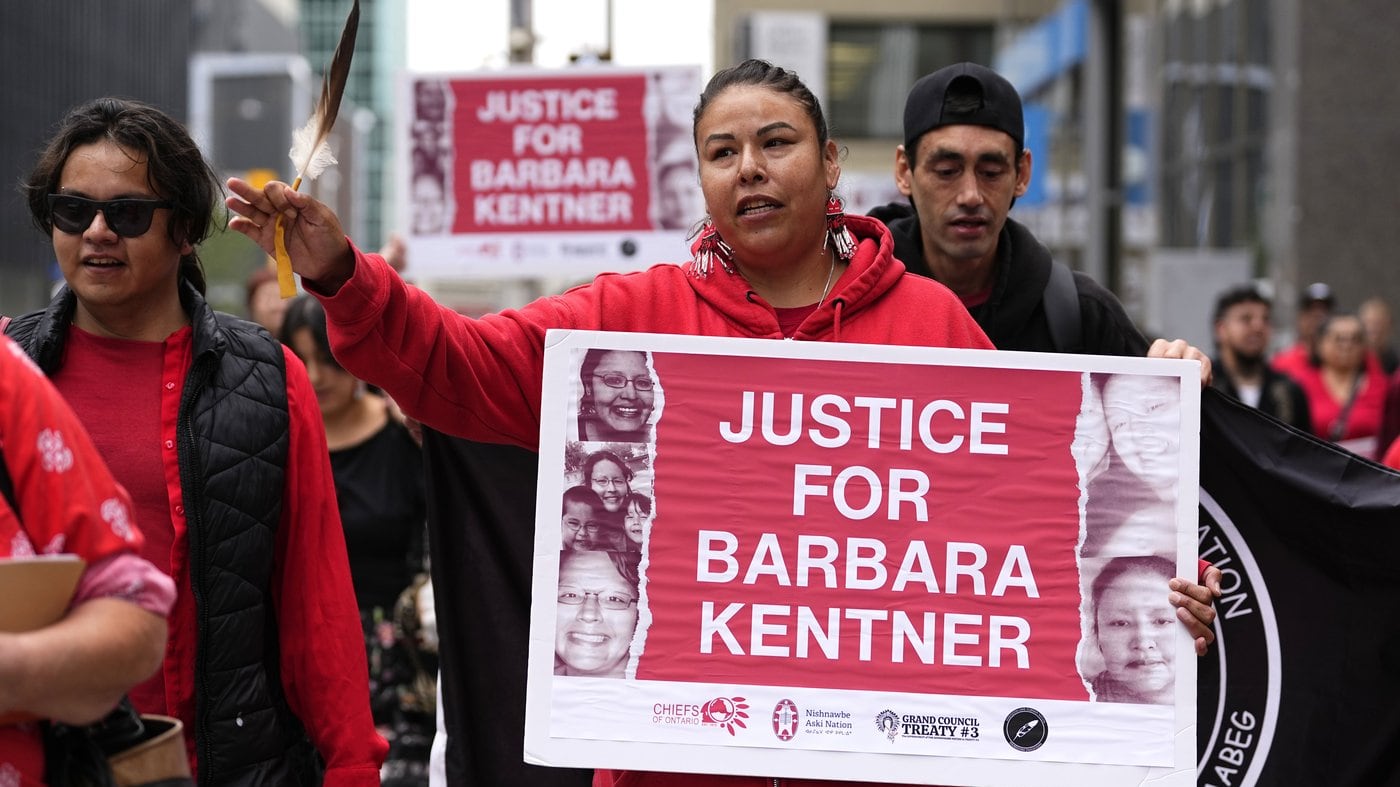
Family members of the late Barbara Kentner are demanding that the Parole Board of Canada explain why it granted her attacker full parole without first meeting with them.
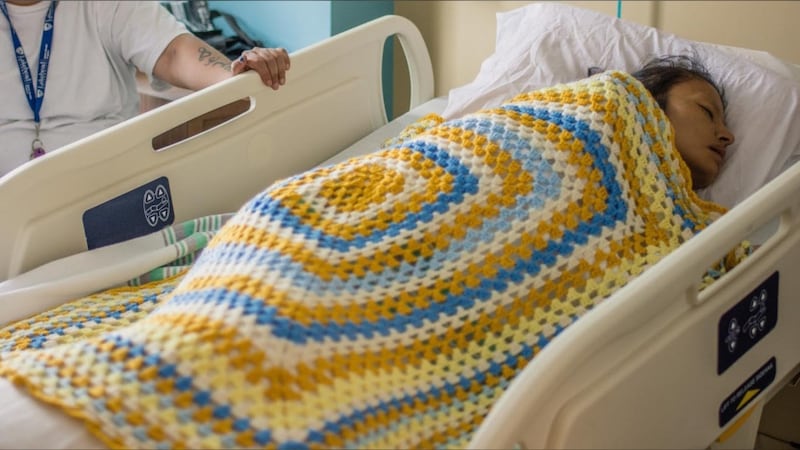
Kentner was walking on a street in Thunder Bay, Ont., with her sister in 2017 when Brayden Bushby tossed a trailer hitch at her, striking her in the abdomen. The First Nations woman from Wabigoon Lake Ojibway Nation died six months later.
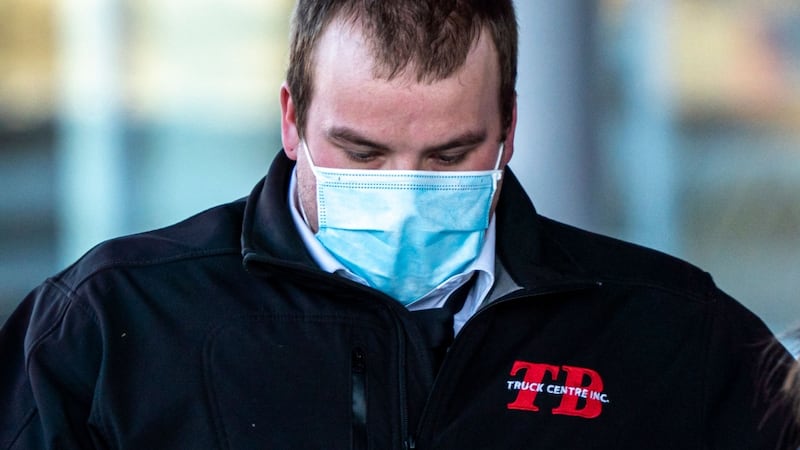
Bushby, now 27, pleaded guilty to aggravated assault but was convicted of manslaughter for what the presiding judge described as a callous, misogynist attack.
He recently was granted full parole after being sentenced in 2021 to eight years in prison.
Family learns of parole decision through media, not official channels
“Our family is left feeling that we have once again been failed by a system that is supposed to recognize and respect victims of a crime,” Kentner’s sister Connie Kentner said on Parliament Hill on Monday.
“When the Parole Board makes a decision like this, they are not deciding in a vacuum. There is a family on the other side of that decision, which is us.”
She and First Nations leaders from Nishnawbe Aski Nation and Grand Council Treaty #3 are calling on the Parole Board to explain why the family was not properly informed of the decision to grant Bushby full parole.
They marched from Parliament Hill to the Parole Board of Canada office to hand-deliver a letter written by the family.
That letter calls on the board to explain its reasons for granting Bushby parole, why the family was not informed of the parole proceedings and what conditions are in place to keep them safe.
“Our family should never have learned about such an important development without having first been given the opportunity to understand and participate in the process available to victims,” says the letter, dated Aug. 25.
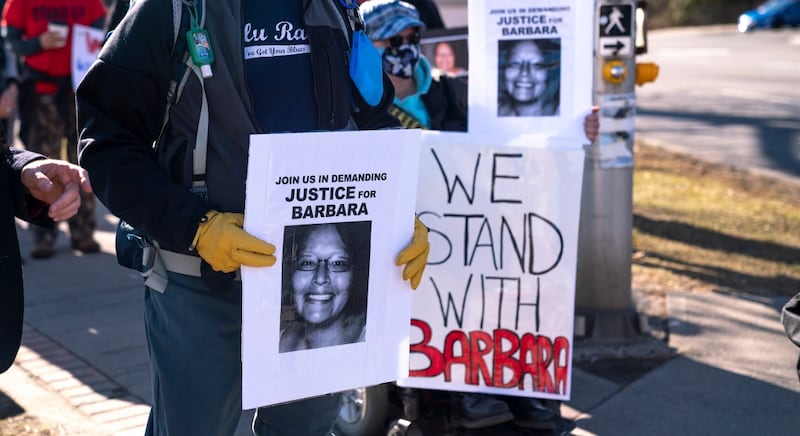
First Nations leaders and the family of Barbara Kentner are calling on the Parole Board of Canada to review its decision to grant Bushby full parole.
Nishnawbe Aski Nation Deputy Grand Chief Anna Betty Achneepineskum said Kentner’s family learned of the decision through the media. She said the Parole Board must be held accountable for the decision and claimed Bushby poses a danger.
Day parole revoked in 2024
Bushby was granted day parole in 2023, allowing him to live at his mother’s home, but the parole board revoked his release the following year.
At the time, the board said it found Bushby had violated several terms of his day parole, including a prohibition on consuming alcohol.
Bushby had failed a breathalyzer test during a traffic stop, the board said. He also had failed to remain at the scene after he reversed a car into another vehicle, and was a suspect in a car theft investigation, it said in a report.
He also got a new tattoo of a Confederate flag, an image the board said was widely linked to “racist ideologies.” Bushby said he didn’t know what the tattoo artist was doing until the piece was done and questioned whether it was relevant to his case.
Indigenous leaders call Bushby a ‘danger to society’
Achneepineskum said Bushby’s behaviour shows he has not changed his ways and called him a “danger to society.”
Assembly of First Nations National Chief Cindy Woodhouse Nepinak has also expressed outage over the parole board’s decision and said Bushby has a pattern of high-risk behaviour.
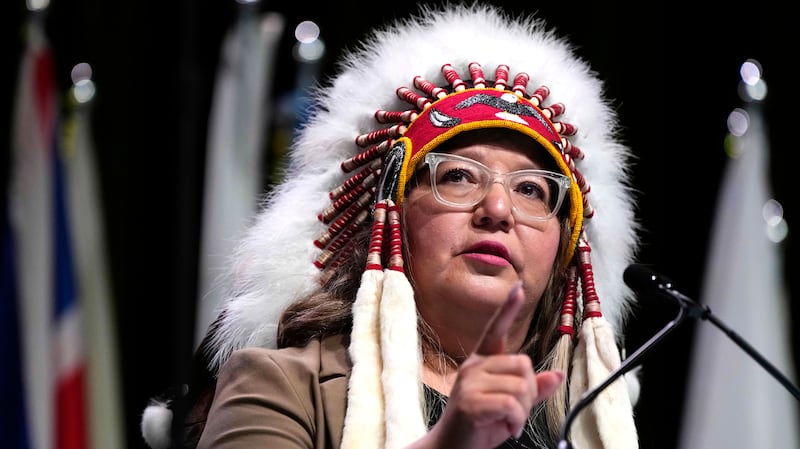
She said his release sends the wrong message about the value the criminal justice system places on the lives of First Nations women in Canada.
In an unsigned email statement, the Parole Board of Canada expressed its sympathy to the Kentner family.
It said some members of the family may not have been aware they needed to register with the board to receive updates on the case.
Kentner’s family said the board did not communicate with those registered in the victims’ portal.
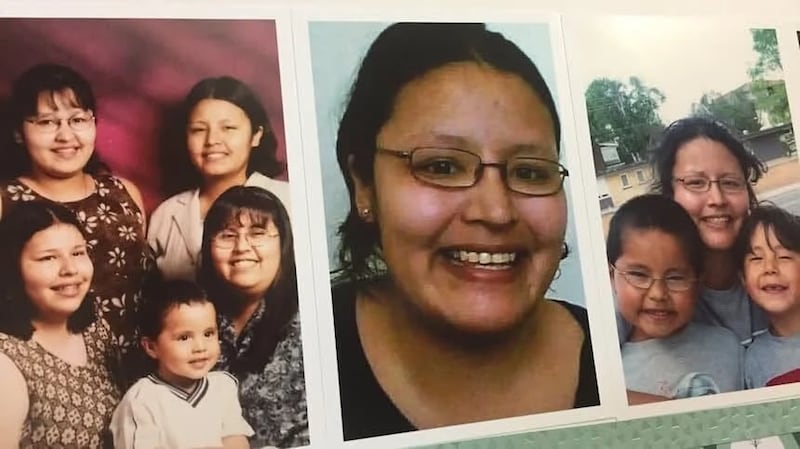
“My sister was a real person. She was not just a victim.”
— Connie Kentner, sister of Barbara Kentner
“They know our emails. For some of us, our cellphones haven’t changed since 2017 and still we were not invited to participate in the parole process as victims,” said Melissa Kentner, Barbara’s sister. She was there the night her sister was struck with the trailer hitch.
The board said it cannot comment on individual cases but stated that parole reviews include a risk assessment to determine whether the offender will pose a risk to society if released, and that offenders can be returned to prison if they breach their conditions.
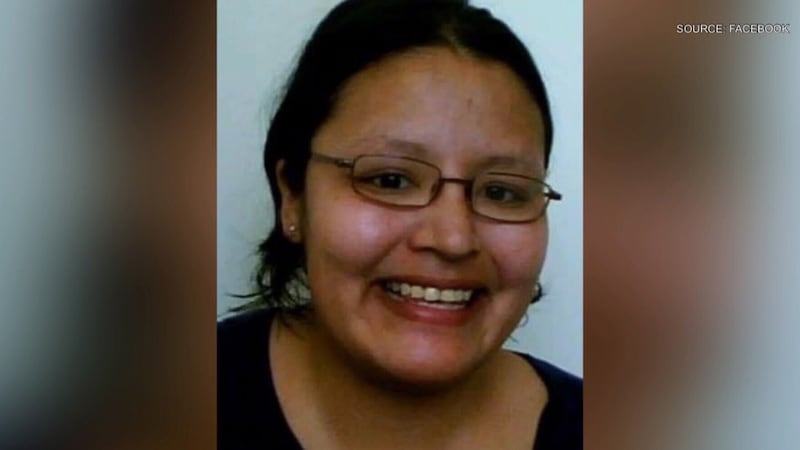
“My sister was a real person ... She had a laugh, she had dreams. She deserved to see her children grow and she deserved to be a grandmother,” Connie Kentner said.
“We will not let Barbara be forgotten.”
This report by The Canadian Press was first published Aug. 31, 2026.
— With files from Paola Loriggio in Toronto
Alessia Passafiume, The Canadian Press
Correction
This is a corrected story. Brayden Bushby is now 27 years old. An earlier version misstated his age.

