Warning: Graphic content
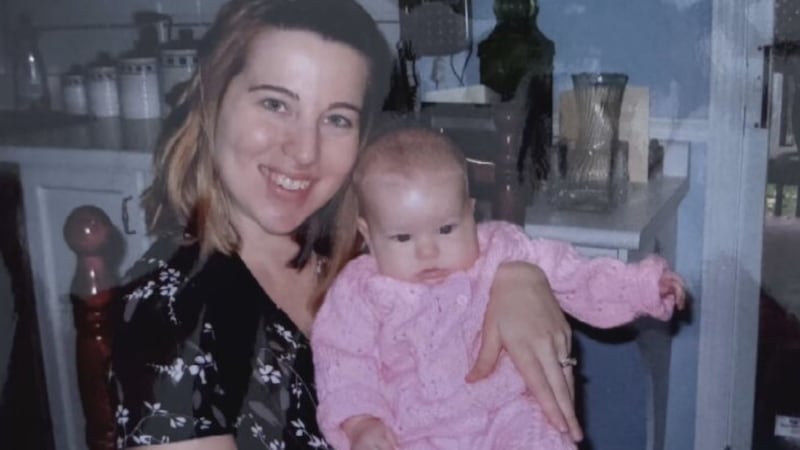
TORONTO – Seventeen years ago, Patricia Tomasi gave birth to her first child and says that, almost immediately, something felt off.
“I was extremely, extremely sad, depressed, couldn’t really bond or attach with my baby,” Tomasi said. “As soon as the baby was born, I didn’t even have the feeling to see the baby.”
From there, Tomasi says things got worse. Her depression and anxiety eventually progressed into psychosis.
“I profoundly believed I was in a different world,” Tomasi said. “I was walking around thinking that I could heal people with my hands. I was thinking I could see their auras, that I was communicating with different spiritual beings, that I was seeing them and never once questioning it.”
Tomasi says she initially tried to keep this a secret from her husband, but her behaviour was worrying. She quit her job out-of-the-blue one day, because she believed a newspaper headline was telling her to do so. She spent most of her savings on taking courses for her spiritual healing business and buying supplies for it.
“I didn’t start to gain perspective again until I became pregnant the second time,” she said. “I feel like my hormones levelled off during the second pregnancy, and that was the first time I was like, ‘what happened?’ It’s like I had come back into the real world and wanted nothing to do with what I was doing before.”
Impact of Clancy trial
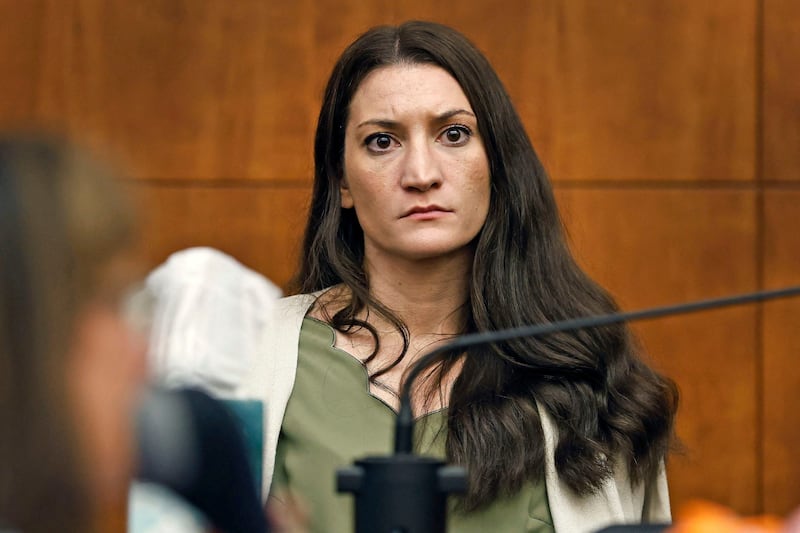
Tomasi was eventually diagnosed with postpartum psychosis, a rare but serious mental illness that affects roughly one to two in every 1,000 births. It’s the same condition the defence in Lindsay Clancy’s murder trial claims their client had when she killed her three children in 2023.
“They may be hearing voices, often scary voices, that tell them to harm themselves or to harm the baby,” said Dr. Ariel Dalfen, a psychiatrist and founder for Bria, a health-care service that specializes in women’s mental health and hormone care.
“There is, in fact, a break with reality, and it can deteriorate quite quickly,” she added. “That’s why we do call it a severe emergency, where people need to get urgent care, often in the form of an emergency room, an acute care setting, where they can be seen quickly and treated and stabilized very quickly as well.”
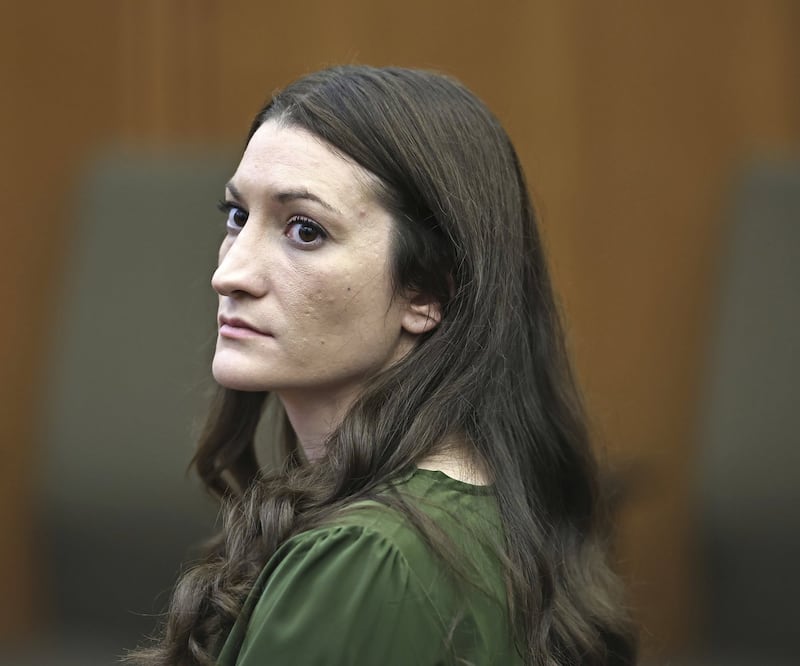
Clancy’s attorneys do not dispute that she killed her children, but they say she should not be held criminally responsible because she was mentally ill and was hearing voices, telling her to take their lives and her own.
Throughout the trial, the court has heard that Clancy begged for help in the weeks before she killed her children, but did not receive the treatment she needed. Her lawyers say she was not properly medicated by the health-care providers she did see, and that care was not co-ordinated between the two primary nurse practitioners who treated and prescribed her medication.
The prosecution rejects this theory and says Clancy did not take many of the drugs she was prescribed. They contend the former nurse planned the killings and sent her husband out of the house to pick up medicine and dinner before strangling her children.
The case has generated public interest around the world, with supporters saying Clancy was failed by a system that didn’t recognize the severity of her mental illness; critics say mental illness does not negate accountability for murder.
Access to care
“I’m not surprised to hear how many doors Lindsay had to bang on to try and get help,” said Tomasi, who also experienced challenges when attempting to access proper treatment.
Tomasi says she never thought about suicide or harming her baby during her first experience with postpartum psychosis and credits her second pregnancy with bringing her “back to reality.” After her second child was born, she says things were initially “normal,” but began to change at the three-month mark.
“Instead of feeling that manic euphoria high that I had the first time, this time it was getting dark, and I was having nightmares that were blending into reality,” Tomasi said. “I would have a nightmare about driving off a cliff with my daughter, having to escape some evil force that was chasing us, and then waking up and not knowing if that had actually happened or not.”
Tomasi says the symptoms were “waxing and waning” and she knew she had to get help before things got worse. One night, she woke from a nightmare and called 911.
“I still didn’t have the language for postpartum psychosis, but I thought this might be some kind of severe postpartum anxiety,” she said.
At the hospital, Tomasi was offered an MRI but was told by doctors that her symptoms were likely not postpartum anxiety. She was sent home.
“Looking back now, it was probably a really, really dangerous thing that the doctor did, because if I would have slipped back into some kind of dark psychosis, I don’t know what would have happened,” she said.
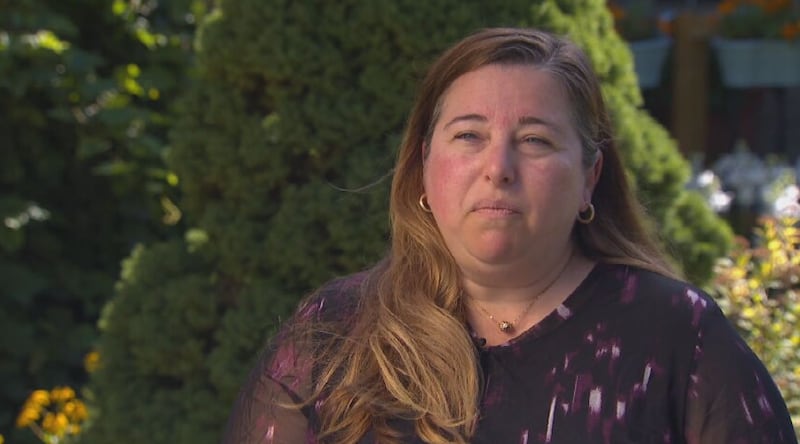
Tomasi says she was not diagnosed with postpartum psychosis until eight years after her second child was born, when she sought treatment from a psychiatrist to help with perimenopause. She says the challenges many women face in accessing care can create barriers that prevent them from getting the help they need.
“It takes so much for you to first admit to yourself, ‘I’m not feeling right. I need help,’ and then to get yourself to the doctor and admit, ‘I’m not feeling well. I need help,’” she said. “And then to not get that help that you’re looking for … or the calibre of help that you deserve, it is really frustrating, and I can see how a lot of moms would stop at the first door that says ‘no.’”
Dalfen says there is effective treatment available for women experiencing postpartum mental illness, whether it’s depression, anxiety or psychosis, but more work needs to be done to ensure women can access it.
“It’s important for people to know (there are) very effective ways to stabilize postpartum psychosis and to treat it, as well as to try to prevent it in subsequent pregnancies,” Dalfen said.
Those treatments can include medication such as mood stabilizers and antipsychotics, as well psychiatric care.
‘Huge flaws in the system’
Tomasi hopes the Clancy trial will shed light on women’s mental health, postpartum psychosis and the need for better access to care.
“I think the Lindsay Clancy trial has definitely exposed the huge flaws in the system,” she said. “We’re just at the beginning of making changes to systems worldwide when it comes to maternal mental health and perinatal mental health. I believe she was failed terribly, in the most extreme, unimaginable, horrible way.”
While the trial has led to greater awareness of postpartum mental health, experts caution it could also increase the stigma surrounding postpartum psychosis.
“There are spikes in awareness on the one hand … but it also dramatically increases new moms’ anxiety,” Dalfen said, noting her office phones are ringing nonstop with people following the Clancy trial and worried this could happen to them.
“It always concerns me a little bit when we couple the conversation of mental illness with violence, because I think that’s further stigmatizing to women who are experiencing it and it makes them feel more ashamed,” she said.
Dalfen says the important conversations for families to have surround symptoms, risk factors and how to help those who might be struggling.
“There are people with certain risk factors who are more at risk,” she said. “Those would be people who have a personal or family history of bipolar disorder, if someone’s had a personal history of a psychotic illness, or their own history of postpartum psychosis, or a family history of postpartum psychosis. Those are risk factors.”
If you or someone you know is in crisis, here are some resources that are available:
Canada Suicide Crisis Helpline (Call or text 988)
Crisis Services Canada (1-833-456-4566 or text 45645)
Kids Help Phone (1-800-668-6868)
If you need immediate assistance, call 911 or go to the nearest hospital.

