TORONTO — Bond yields are rising sharply around the world, with some government borrowing costs reaching levels not seen in years.
The increase is putting upward pressure on fixed mortgage rates and auto loans — and could affect other longer-term borrowing costs.
So, what exactly are bond yields — and what could they mean for Canadians?
What are bond yields?
A bond is essentially an IOU from governments to investors.
Federal, provincial and municipal governments issue bonds to borrow money.
Investors then buy those bonds, effectively lending governments money for a set period. In exchange, the government promises to make interest payments and return the original amount when the bond matures.
“Our governments at all levels borrow money because they spend in excess of their tax revenues, so the way they borrow money is through issuing bonds,” Ron Butler of Butler Mortgage Inc. told CTV News in a Zoom interview Saturday.
A bond yield is the return an investor can expect based on the bond’s current market price and its promised payments.
That is slightly different from the bond coupon, which is its fixed interest payment.
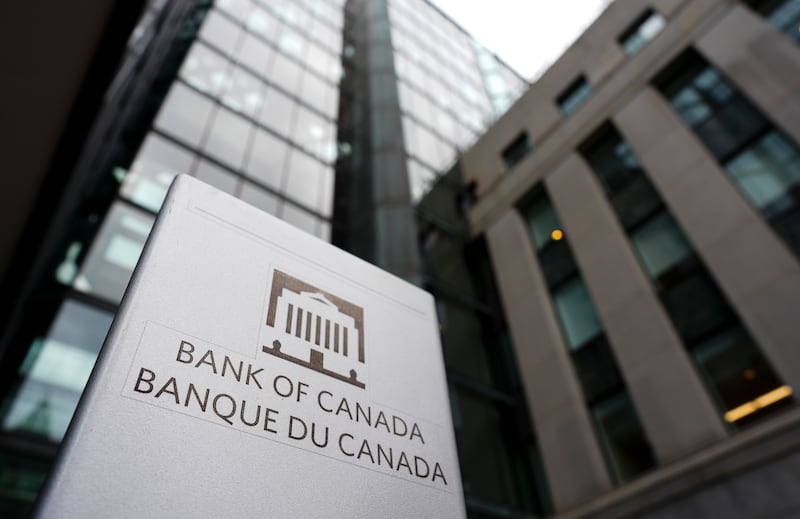
Government bonds also serve as a benchmark for other interest rates. The Bank of Canada says the five-year Government of Canada bond yield is an important factor in determining five-year fixed mortgage rates.
“A bond yield, that is how we in Canada and all over the world, get mortgage rates, big banks use that as their guide,” Butler said. “The bond yield is for how they price their mortgages. As those yields increase, the bank needs to increase their fixed mortgage rates. It’s just as simple as that.”
Mortgage rates do not move exactly in step with bond yields, added Butler. Lenders also account for their own funding costs, risks, expenses and profit margins.
Why are bond yields soaring?
Investors may demand higher returns when they are worried that inflation or interest rates will remain elevated, or that governments are issuing large amounts of debt.
The current global selloff has been fuelled by rising energy prices, inflation concerns, expectations of higher interest rates, and growing government debt. Canada-U.S. trade uncertainty and broader geopolitical instability are also affecting investor sentiment.
“I know that that conflict is happening in the Middle East, but that affects the U.S., because the whole economy depends on it,” said Toronto-based mortgage broker Sean Cooper to CTV News Saturday on the price of oil. “It’s not just filling our cars, it’s for transportation of goods to the supermarket, food to the supermarket,” he added.

When investors sell existing bonds or become less willing to buy them, bond prices fall.
Because the bond’s promised payments do not change, paying a lower price for those same payments produces a higher yield.
New government bonds must also offer returns that are competitive with those available in the market.
“When nobody particularly wants to buy the bonds, the sellers have to offer it at a more attractive price, and part of the price reflects as the yield,” said Butler. “In other words, how much money you’re going to be promised to get from that bond.”
What does rising bond yields mean for Canadians?
The most direct effect for many Canadians is on fixed mortgage rates.
If Government of Canada bond yields remain elevated, lenders may increase the rates they offer on new and renewed fixed-rate mortgages. Some lenders have already raised fixed rates.
Homeowners who are partway through a fixed mortgage term will not see their rate or payment change immediately. The effect would generally be felt when buying a home, refinancing, or renewing a mortgage.
Variable mortgage rates work differently. They primarily follow a lender’s prime rate, which is strongly influenced by the Bank of Canada’s policy rate, rather than directly following bond yields.

Higher bond yields can also influence some business loans and other longer-term borrowing costs. The connection with auto loans is less direct because those rates depend on several additional factors, including the lender, the borrower’s credit and manufacturer financing incentives.
There can be an upside for savers and investors. Newly purchased bonds and some Guaranteed Investment Certificates may offer higher returns. However, rising yields generally push down the market value of bonds and bond funds that investors already own.
Higher yields also increase governments’ borrowing costs as existing debt matures and must be refinanced. Over time, that can place additional pressure on government budgets.
What should borrowers do?
Borrowers should not assume that either a fixed or variable mortgage is automatically the better option.
“What I’ve heard from a lot of mortgage brokers that we work with is that people are going more with the variable rate product more recently, because the difference in payment right now, from where you can get a variable rate to where you can get a fixed rate, is getting larger, the gap is getting wider,” Tom Storey, a realtor in Toronto, told CTV News Saturday.
Butler said some of his clients are starting with variable rates while waiting to see if fixed rates come down.
“If bond yields come down and fixed mortgage rates come down in the coming months, they have the opportunity to lock in at a fixed rate at a more reasonable level, instead of basically being forced to take whatever fixed rates are available today due to the elevated bond yields that we’re seeing right now,” he said.
That strategy also carries risk. A variable rate can rise if the Bank of Canada raises its policy rate, and a borrower who converts later would receive the fixed rate available from their lender at that time.
The Financial Consumer Agency of Canada recommends that homeowners start shopping around several months before their mortgage term ends, compare offers from different lenders and brokers, and negotiate rather than automatically accept their lender’s renewal offer.

