


OTTAWA — On their first day back in the House of Commons after a three-month summer hiatus, the Liberals on Monday tabled a significant piece of legislation aimed at speeding up major project approvals, though it’s already raising concerns among labour groups.
Bill C-39 — dubbed the Building Canada Strong Act by the Liberals — is meant to accelerate review and approval times for major projects to get them built quicker.
The announcement Monday was made by Government House leader Steven MacKinnon, Jobs Minister Patty Hajdu, and Dominic LeBlanc, the minister for intergovernmental affairs and One Canadian Economy, and minister of internal trade.
This fall sitting’s first piece of legislation comes on the heels of Prime Minister Mark Carney’s inaugural investment summit last week, which pitched dozens of foreign investors on more than 150 Canadian infrastructure projects, with the goal of courting $1 trillion in funding.
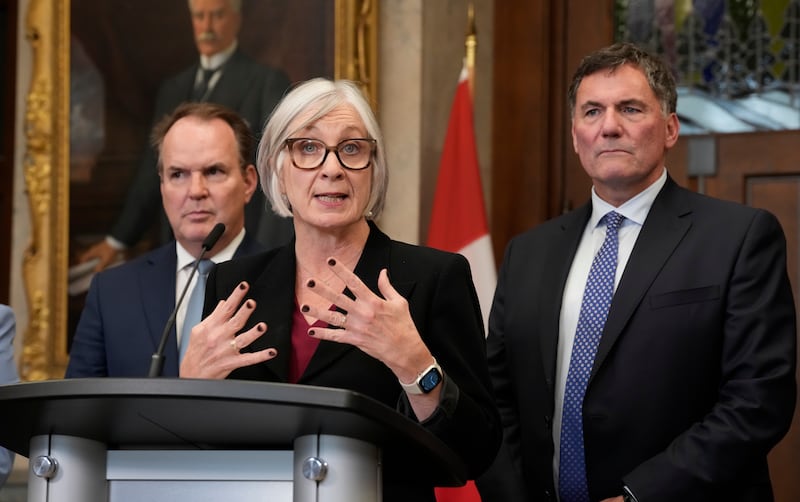
“This will give business the confidence to invest in Canada, accelerate projects, and drive long-term growth and prosperity that protects the environment and upholds Indigenous rights,” reads a statement from the federal government about C-39, which it categorizes as “the most comprehensive and ambitious reform to Canada’s ability to get big things built in a generation.”
“It will reshape the regulatory approvals process, maintain Canada’s rigorous standards and uphold Indigenous rights,” the statement reads.
Labour groups ‘watching closely’
But, labour groups say they’re concerned changes to the Canada Labour Code included in the bill will have adverse consequences for workers and strip them of their right to strike.
The new legislation is built on three pillars, according to the federal government: build Canada now, keep Canada moving, and Canada strong for all.
It’s under the latter pillar that the government is proposing changes to the Labour Code, pledging to “strengthen collective bargaining by helping parties address issues earlier, reach negotiated agreements, and resolve disputes while fully protecting the right to strike.”
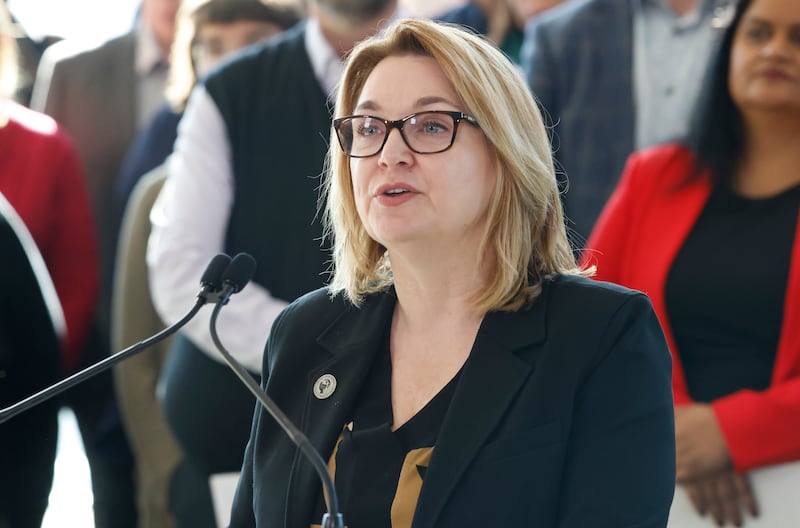
Specifically, according to a senior government official speaking to reporters during a technical briefing ahead of the official announcement, the changes will largely affect the collective bargaining process for industries that have previously seen strike action or imposed mediation.
In a statement Monday, Canadian Labour Congress President Bea Bruske wrote that “Canada’s unions will be watching (C-39) closely.”
“The government has repeatedly said it will protect the right to strike,” Bruske also wrote. “We welcome that commitment. Today, we expect to see what it means in practice.”
Bruske then referenced the protracted and ongoing trade war with the United States.
“Canada’s unions are part of Team Canada,” she wrote. “We have our elbows up. We are ready to build, invest and fight for Canadian jobs. But we can’t have our elbows up against (U.S. President Donald) Trump with our hands tied at the bargaining table.”
Bruske said unions will review with legislation carefully and respond once they’ve done so, but added any restriction on workers’ right to strike is “unacceptable.”
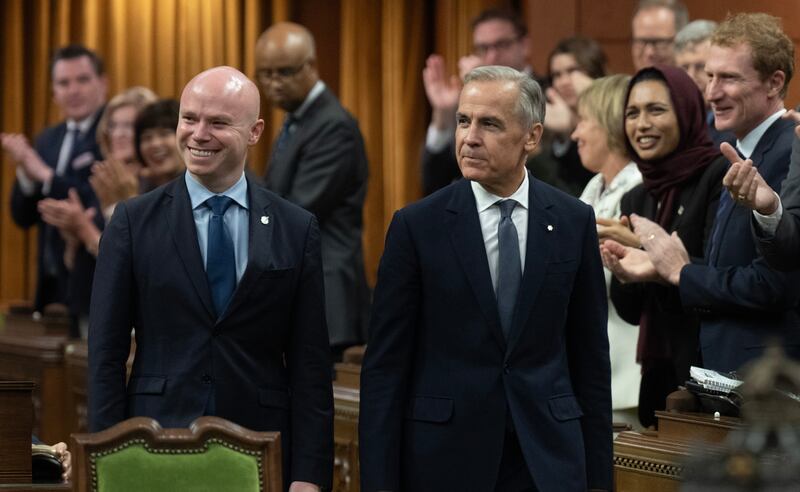
Addressing his caucus last week, Carney called the fall sitting of Parliament a “crucial” one, and promised the Liberals are “going to introduce some of the most consequential legislation, not just of this government, but in decades” in the coming months.
Helping them to get legislation passed, the Liberals currently hold a majority government, after months of floor crossing, resignations, and now two rounds of by-elections.
Asked about the proposed changes to the Labour Code, Conservative House leader Andrew Scheer said in an interview on CTV Power Play with Vassy Kapelos that his party’s labour critic would respond once they’ve had time to read the bill thoroughly.
NDP Leader Avi Lewis, meanwhile, held a press conference on Parliament Hill following the ministers’ announcement, saying he believes the legislation is consequential enough that he is “breaking (his) silence” on Yom Kippur.
“Prime Minister Carney is using our fear and disorientation around the trade war to push through a series of unpopular measures that he did not run on, has no mandate for, and would never get away with under normal circumstances,” Lewis said.
With files from CTV News’ Vassy Kapelos, Judy Trinh, Rachel Aiello and Samantha Pope

