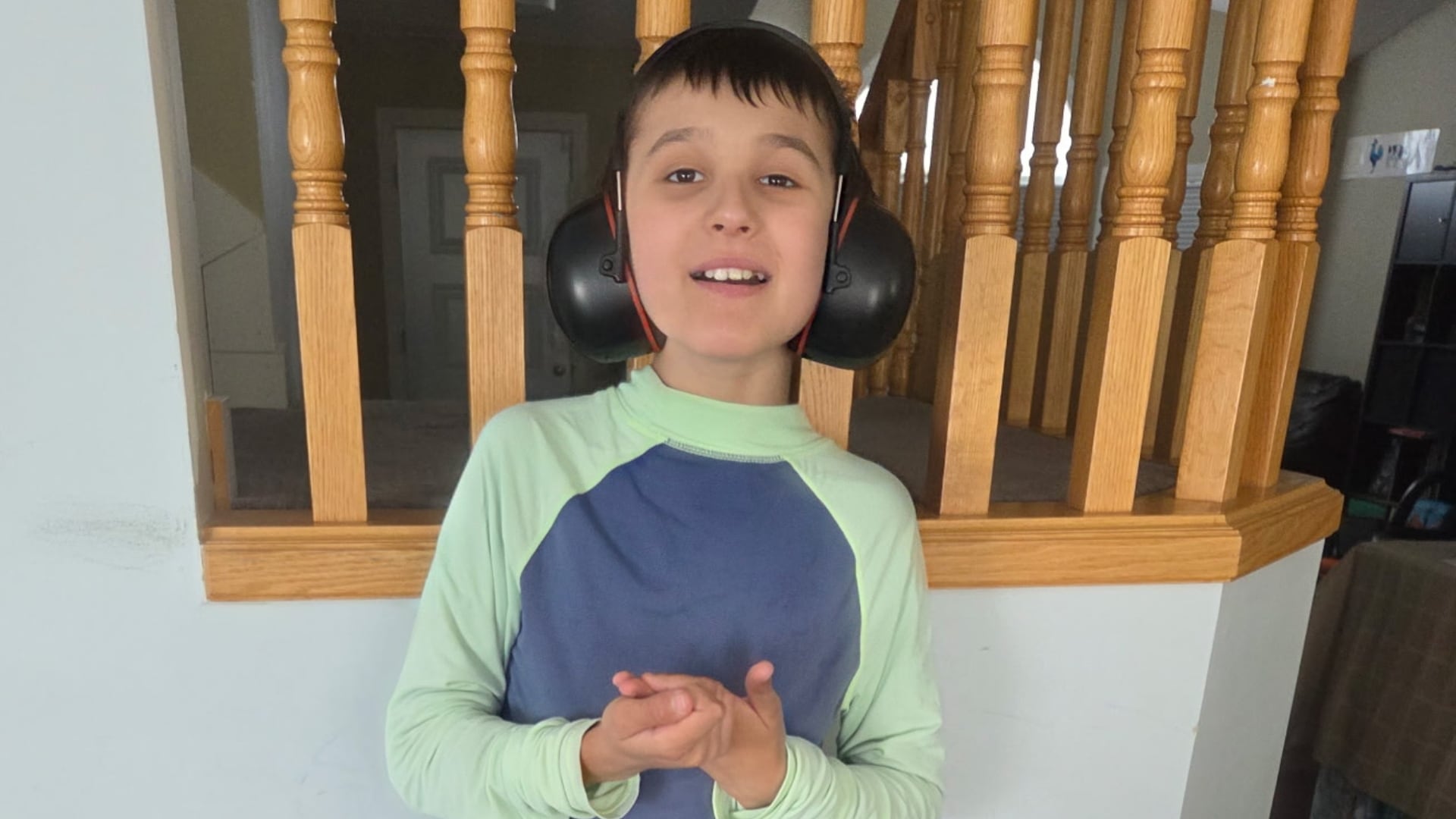
An internal review into two 911 calls made on the day Parker Wells was reported missing has found established procedures related to missing persons were not followed, contributing to a delay in police being notified and dispatched.
The City of Calgary released the findings of an internal review into 911 calls related to Parker, an 11-year-old, non-verbal child with autism, on Tuesday, saying sufficient information was provided during the first call to identify the situation as an “endangered missing child” case — considered a Priority 1 police event.
Parker was reported missing from a day home on July 16.
He was found dead on July 29 after nearly two weeks of searching.
According to the review, the first call to 911 came at 10:53 a.m. The caller told the operator they did not wish to file a missing-person report at that time and would call back if Parker could not be found.
The review found that a Priority 1 police event should have been created under existing policy.
The call was reviewed by a supervisor after it was entered as an “advised event,” meaning police assistance was not initially considered necessary.
The review found the supervisor should have considered the “totality of the information available,” including Parker’s age and the fact that day-home staff could not locate him.
At 11:24 a.m., the original caller contacted 911 again to officially report Parker missing.
A Priority 1 missing-person event was created at 11:41 a.m.
The internal review found the delay represented a potential opportunity for police to have been dispatched earlier.
Doug King, a criminal justice professor at Mount Royal University, says the delay is particularly significant when a child is missing.
“In the instances of missing children, they often aren’t going to wander too far away very quickly, and so the longer the delay, the farther they can go. That’s why an immediate response is appropriate.”
King says the situation also highlights the importance of training and following established procedures during stressful situations.
“The reason law enforcement officers are trained so thoroughly is that it reduces error when emergencies happen.”
“The outcome of this review is difficult,” said Iain Bushell, the city’s director of emergency management and community safety, in a news release.
“It identified instances where established procedures were not followed, resulting in a delay in how certain information was acted on. That delay did not meet the standard of service we expect.”
Bushell said the results of the review had been provided to Parker’s family.
Disciplinary action taken
The review found there were gaps in adherence to procedures, rather than the procedures themselves.
It determined that established policies related to missing persons, event prioritization, dispatch requirements and event management were not followed.
The review found those departures from those procedures contributed to delayed police notification and response.
Bushell said “appropriate disciplinary action has been taken,” adding that that “there is one individual who is no longer with The City (of Calgary).”
The review also identified several changes aimed at strengthening oversight and ensuring procedures are consistently followed.
For example, all advised events will now be reviewed by two supervisors every 15 to 30 minutes, rather than one.
The city is also introducing spot checks and periodic call reviews, while employees have been positioned closer to senior staff to provide more immediate guidance and oversight.
More training for Calgary 911 staff
The city says all employees have completed a mandatory review of missing-person policies.
Team briefings have also been held to reinforce expectations around policy compliance, accuracy, timeliness, critical thinking and decision-making.
New-recruit training is being extended by one week, bringing the program to 11 weeks.
Additional training on critical thinking, emotional intelligence and problem solving is also being developed for both new recruits and existing employees.
The city is also developing enhanced training for supervisors, with a focus on their responsibilities for reviewing and escalating events.
King said additional supervision is useful, but training for the people making and receiving the initial call is also critical.
“There will always be a delay if you get a supervisor involved, so let’s try and minimize that delay by having adequate training for the people who are our first responders.”
“In this kind of situation, it’s probably going to require a certain amount of remedial action for the people who were taking the call.”
A broader review of policies and standard operating procedures is underway.
“Calgary 911 answers over a million calls a year, we dispatch (to) over 600,000 individual incidents a year and the dedicated professionals at 911 come to work ever day anticipating that they will do their jobs to the best of their ability.” Bushell said.
“We are committed to strengthening our processes and ensuring our employees have the support, training and tools they need to serve Calgarians effectively.”
‘We all feel terrible’
Bushell said everyone who works for Calgary 911 “feels awful.”
“It’s a tragedy — we all feel terrible,” he said.
“We take it to heart that the public expects excellence from us when they call 911 — and they get that almost every time. When it doesn’t happen, we want to review to make sure we are closing that gap and doing the best that we can do to make sure that it never happens again.
“Our thoughts remain with Parker’s family, loved ones and all those affected by this tragic loss. We will ensure the lessons from this tragedy lead to meaningful improvements in how we serve the community.”
‘It’s heartbreaking’: Calgary Mayor Farkas
Calgary Mayor Jeromy Farkas was asked for his reaction to the review while speaking with members of the media during a scrum outside city hall on Tuesday.
“It’s heartbreaking,” he said. “The tragedy that the family experienced, the loss of life, loss of an amazing young kid.”
“Today’s release of the 911 findings is really about showing our work, showing the gaps that occurred in terms of adherence to policy. We understand the policy is correct, but we didn’t have adequate adherence, which cost us ultimately about 17 minutes that the response could have been faster by.”
Farkas said it serves as a reminder of how important the service of 911 call takers and their supervisors is.
Ward 4 Coun. DJ Kelly said he was disappointed by the findings, but welcomed the decision to make the review public.
“Transparency is important,” he said.
“By admitting mistakes, acknowledging mistakes and then taking corrective actions to improve upon those is how we get better.”
Kelly said the public has a right to be angry as well.
“Calgarians have every right to be upset about that.”
He said the focus now should be on learning from the mistakes.
“All of our first responders need to step up, acknowledge when mistakes were made and put in place the appropriate training or procedures in order to make sure that something like this can never happen again.”
Alberta government review
The Alberta government is also conducting a separate review into emergency alert processes following Parker’s death, including the criteria for issuing an Amber Alert.
The review, led by Alberta Public Safety and Emergency Services, is expected to involve law enforcement agencies, disability advocates and community organizations.
CTV News has reached out to the office of Alberta Public Safety and Emergency Services Minister Mike Ellis for an update on that review and is awaiting a response.
CTV News has also reached out to the day home, Supported Lifestyles, for response and is awaiting a response.

